The UK's wealthiest residents are already preparing to leave the country under Labour's plans

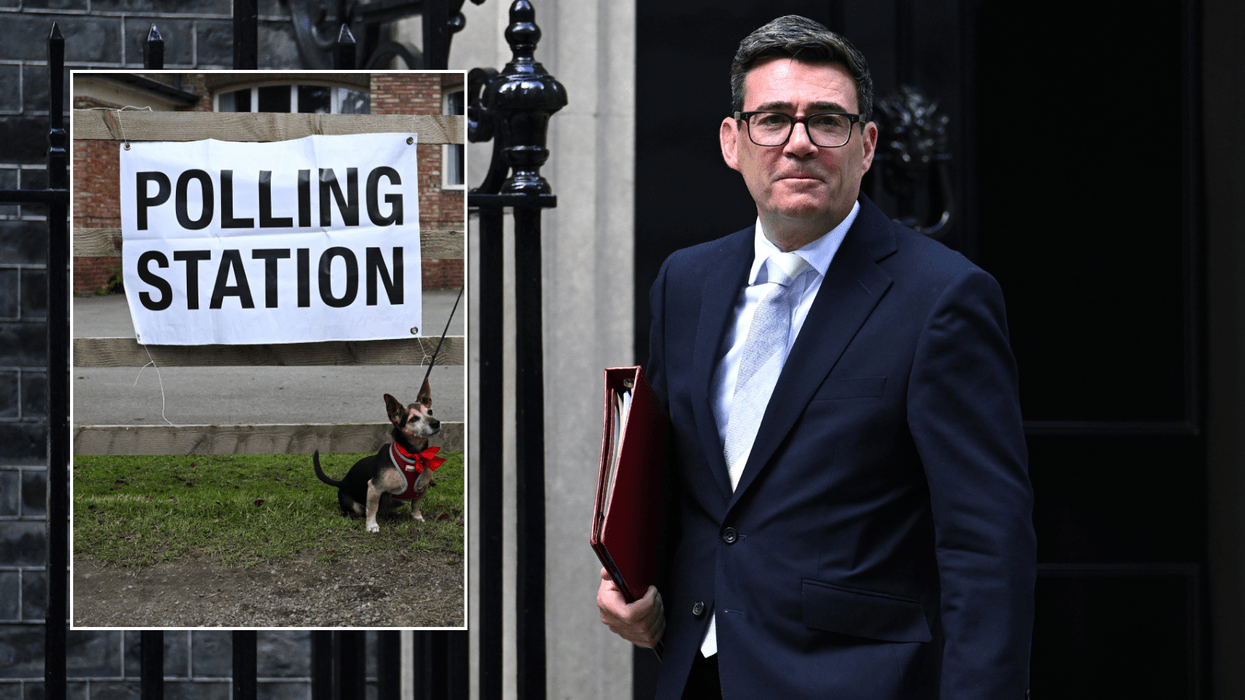
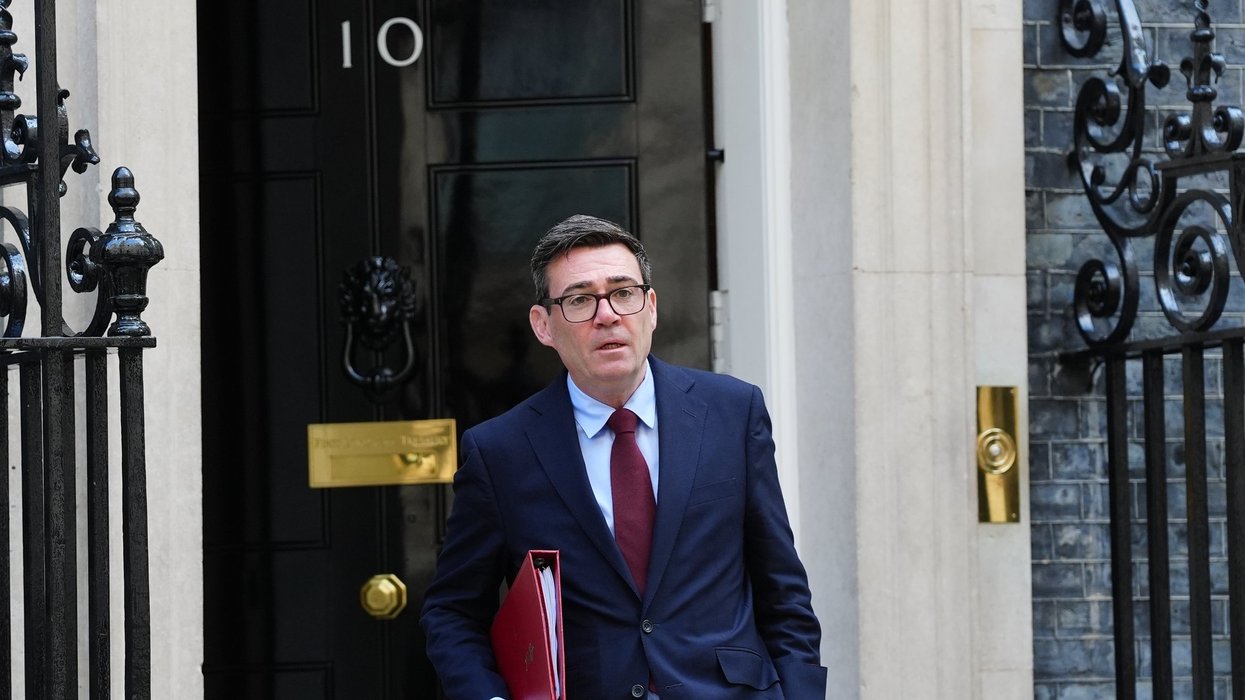
Britain is poised to lose billions in tax revenue and investment if Andy Burnham progresses with a £38billion tax raid on the super rich to fund his spending pledges.

According to analysis carried out last month by Reform UK, the Prime Minister is on course to push Labour's cumulative tax increases from roughly £66billion to in excess of £100billion per annum, as part of efforts to alleviate cost-of-living pressures for millions of households.

Mr Burnham has declined to rule out introducing a wealth tax, indicating his Government may need "to ask for a little more" from taxpayers. He has also committed to applying National Insurance to rental income received by landlords.

Yet scores of Britain's wealthiest residents are already making preparations to leave the country under Mr Burnham's economic programme.

David Lesperance, of wealth management firm Lesperance Associates, told LBC: "Since it became apparent that Starmer was going to be shown the door and since the election of Burnham, probably I've had 15 to 20 calls (from clients)."

His clients, he said, are anxious about "a pretty significant haircut if they remain in the UK... if there's an exit tax or significant increases in capital gains".

Mr Lesperance warned their departure would trigger "an asymmetric negative on annual tax revenues to be spent on the NHS and everything else", together with "a significant loss of employment, corporate tax, property tax, VAT, on all their inputs for their business."

HMRC data shows the top one per cent of UK taxpayers currently contribute approximately a third of all income tax and capital gains tax receipts.

Academics are now urging the Prime Minister to adopt a two per cent minimum levy on households holding assets above £100million, a measure they say would generate £10billion annually while affecting fewer than 1,000 of the country's richest families.

The proposal, authored by Gabriel Zucman of the Paris School of Economics and Ben Tippet of King's College London, would require HMRC to assess the total accumulated wealth of ultra-rich households, encompassing property, private enterprises, pensions, art, land and charitable assets under their control.

Mr Burnham's closest advisers, however, have concentrated on aligning capital gains tax rates with income tax as their preferred revenue-raising mechanism.

Former Labour leader Lord Kinnock argues equalising the two rates alone would deliver "a £12billion increase in resources".

Only Norway, Spain and Switzerland currently operate broad wealth taxes, while Germany, the Netherlands, Finland and Sweden have all abandoned equivalent schemes, frequently citing administrative difficulties and capital flight.

Mr Burnham's ambitious spending commitments are stacking up.

Within his first week in Downing Street, Mr Burnham pledged to eliminate rough sleeping with £340million in new funding, scrapped VAT on electricity bills at a cost of roughly £850million, and reinstated the £2 bus fare cap from January.

Mr Burnham has insisted each policy is fully covered through reprioritisation of existing budgets, including the cancellation of the £1.8billion digital ID programme.

Former chief secretary Darren Jones challenged that claim, noting on X "the digital ID programme was unfunded".

Pressed on whether his agenda would ultimately demand higher borrowing or taxes, Mr Burnham told broadcasters: "I will always be honest with the public; that's my style."

Meanwhile, Green Party leader Zack Polanski called on Mr Burnham to introduce a wealth tax, telling The Guardian it would "move money from the multimillionaires into our schools and libraries".

A party policy plan on wealth tax says Mr Burnham seems likely to "fudge the issue" by changing capital gains tax thresholds.

This is in comparison with proposals for a separate wealth tax, an idea the party says is backed by 81 per of 2024 Labour voters.