Thank you for subscribing!
Deputy Green Party leader Rachel Millward accrues thousands per year from rented rooms
The Green Party is facing renewed scrutiny over its opposition to private landlords, after it emerged that a second deputy leader has financial skin in the rental market game.
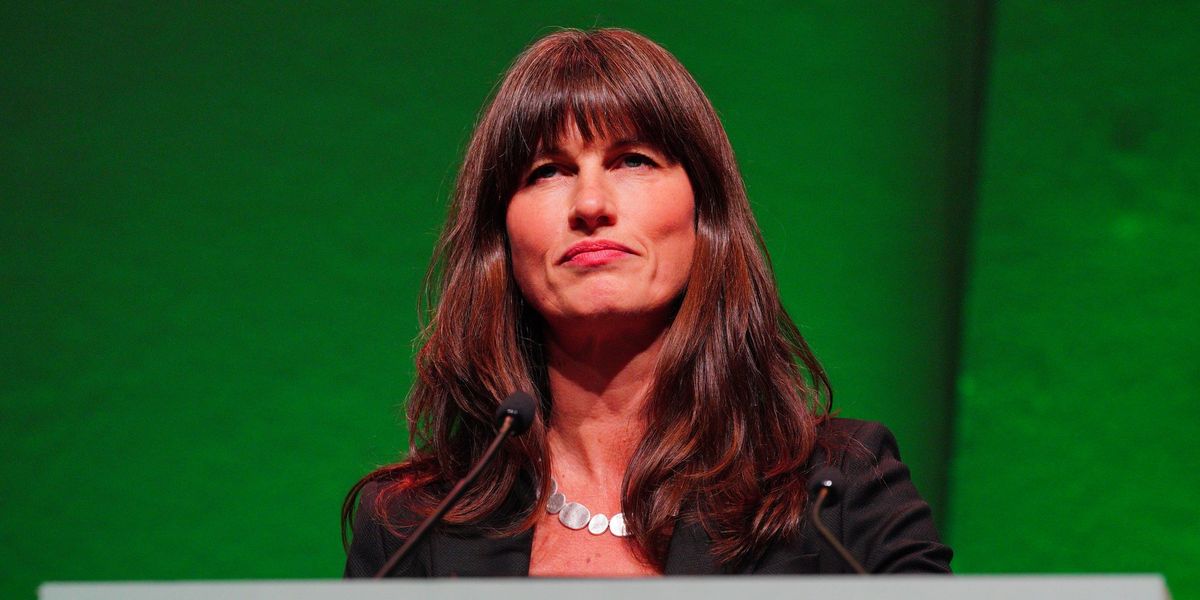
Rachel Millward, 49, receives roughly £5,000 a year from letting rooms in the family home she shares with her husband in East Sussex.
The six-bedroom Edwardian property, which the couple bought for more than £1.6 million in 2021, includes an outdoor swimming pool and extensive grounds - with a lodger allegedly renting rooms in the house, according to the Telegraph.
The report appears to contradict a statement issued by the party last week, which said Ms Millward was “not a landlord in any other capacity” apart from her husband owning a rental flat.
The party’s housing policy, adopted last year, calls for the “effective abolition of private landlordism and the private rented sector”, with proposals including rent controls, applying National Insurance to rental income, and ending buy-to-let mortgages.
Green MP Carla Denyer, the party's housing spokesperson, said at the time the policy was adopted that: "While the motion to conference had an eye-catching name, it does not actually 'abolish' landlords...."It contains a range of policies which, over time, would reduce the proportion of the housing market that is privately rented, and increase the proportion of socially rented homes.
Ms Millward has said to also have longstanding financial links to another rental property.
Her late father bought a three-bedroom Victorian house in Oxford for her to live in while she was studying at university in the 1990s.
After her graduation, the property was rented to students, with income shared between Ms Millward and a relative until 2022.
The house remains rented to students, generating £2,315 a month, and since her father died in January, the income has gone to his estate while probate is completed.
Ms Millward is expected to inherit part of the estate - but is not an executor in the will - and is said to have also received £114,500 in 2022 in connection with the Oxford property.
Her father’s estate includes a Grade II-listed holiday cottage in the Lake District, although Ms Millward did not receive rental income from that property.
The revelations follow scrutiny of Mothin Ali, 44, Ms Millward’s fellow deputy leader, who owns two Leeds rental properties through a company, both financed using buy-to-let mortgages.
The party has defended both members, arguing that supporting reform of the private rental system does not require individuals to shed themselves of every asset affected by it.
A Green spokesman said the party was “proud and fully supportive” of Ms Millward and Mr Ali, and added that Ms Millward had always acknowledged being “materially lucky in life”, claiming campaigning for people with less privilege was not hypocritical.
The party also pointed to comments by former co-leader Carla Denyer, who said the landlord policy was intended to reduce private renting and expand social housing, rather than literally outlaw all landlords.
The controversy is likely to increase pressure on Green leader Zack Polanski, particularly as housing has become central to his campaign in the forthcoming Holborn and St Pancras by-election - a parliamentary seat formerly occupied by ex-prime minister Sir Keir Starmer.
Ms Millward previously declined to discuss her personal circumstances during a BBC appearance defending Mr Ali.
She said renting out property was not inherently immoral, but argued that it became wrong when landlords made substantial profits at tenants’ expense.
Government guidance includes people who take in lodgers within its definition of landlords.
The Greens, however, insist they have been open about Ms Millward’s circumstances, and maintain that her support for the party’s housing policies is motivated by a desire for a fairer economy, rather than personal financial interests.
A Green Party spokesman told GB News: "Our policy does not literally seek to abolish landlords, but to put in more regulations and taxes on private rentals through measures such as rent controls and expanded social housing – all of which Rachel supports.
"While the motion to conference had an eye-catching name, it does not actually 'abolish' landlords. It addresses the housing crisis, empowers tenants and improves their wellbeing.
"It contains a range of policies which, over time, would reduce the proportion of the housing market that is privately rented, and increase the proportion of socially rented homes."