Thank you for subscribing!
Nadia Whittome was reluctant to reopen the Act to avoid igniting wider disputes over equality law
A Labour MP has called for changes to the Equality Act, urging for updated measures to ensure transgender people remain protected following the landmark Supreme Court ruling on the legal definition of sex.
Nadia Whittome, Labour MP for Nottingham East, yesterday said Parliament should consider amending the Equality Act and other legislation to clarify the rights of trans people to access single-sex spaces.
Speaking at the annual meeting of trade unions, Ms Whittome said the law needed to provide greater protection for the “rights, privacy, and inclusion” of transgender people.
Her comments come amid a contentious political debate over the shared use of toilets, changing rooms and other single-sex facilities.
Ms Whittome has previously criticised guidance issued by the Equality and Human Rights Commission (EHRC) following the Supreme Court’s April ruling that the terms “man” and “woman” refer strictly to biological sex.
The EHRC guidance says that access to single-sex services and facilities should generally be determined according to a person’s biological sex, subject to the circumstances and legal exceptions set out in equality law.
Ms Whittome, who is a member of Labour’s Socialist Campaign Group, previously urged MPs to reject the EHRC’s guidance.
At the time, she argued that it risked creating an “era of enforced segregation” for trans people, and placed responsibility for policing access on businesses, charities and public bodies.
She has now disclosed that she had been working with trans-led organisations to develop a common position on possible amendments to the Equality Act.
Ms Whittome conceded that changing the legislation would be no easy feat, and said she had previously been reluctant to reopen the Act because doing so could create wider disputes over equality law.
But she argued the Supreme Court judgment had altered the situation, and left legislative reform as the most effective route to securing the protections she believes are needed.
Her call was backed by Julia Georgiou, general secretary of the National House Building Council Staff Association, who also argued that changes to the law were necessary.
Ms Georgiou said the EHRC was already considering how the implications of the court ruling could affect workplace regulations, warning that the issue would increasingly affect employers and employees.
She also argued that existing equality and gender-recognition laws were becoming outdated, pointing to the fact that the Equality Act was passed in 2010, and the Gender Recognition Act dates back to 2004.
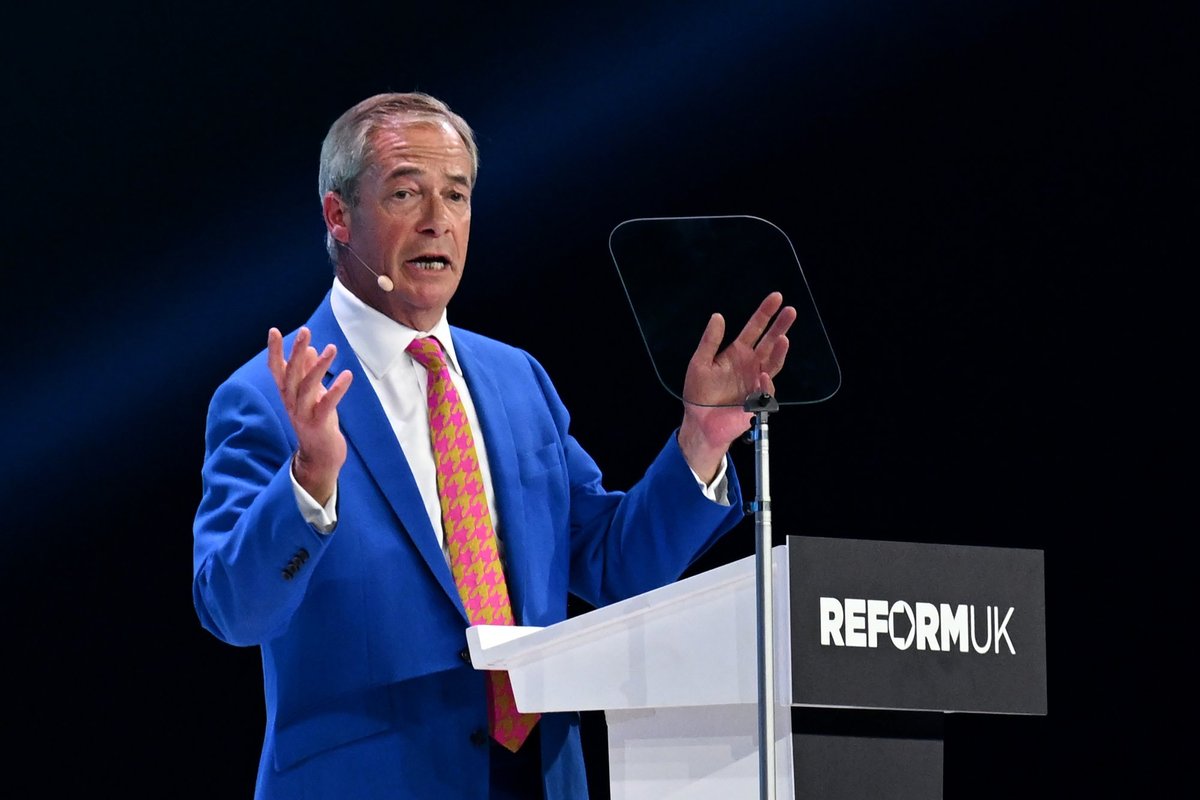
The Conservatives have pledged to amend the Equality Act so sex is explicitly defined as biological sex, while Reform UK has gone further, promising to abolish the legislation altogether.
Kemi Badenoch announced her party will abandon rules requiring public servants, such as police, nurses and teachers, to consider equality issues as part of their daily work in a move to get rid of "identity politics" in the sector.
Meanwhile, Reform UK's Deputy Leader Richard Tice blasted the Tories for borrowing his party's stance on the Equality Act, writing: "Copycat Conservatives strike again.
"First they borrowed Reform’s stance on the ECHR. Then they turned on the Net Zero agenda they created. Now they’re saying the Equality Act isn’t fit for purpose. They had 14 years to act. They chose not to. Never forget. Never forgive."
The Government is yet to set out a comprehensive legislative programme addressing the demands around the interpretation of the Equality Act following the Supreme Court ruling, with droves of workplaces still noncompliant.