Thank you for subscribing!
The monarch referred to the people who embroidered the historic artefact as ‘English craftspeople’
King Charles appeared to sidestep a potential gender debate with carefully chosen language when discussing the people who embroidered the Bayeux Tapestry.
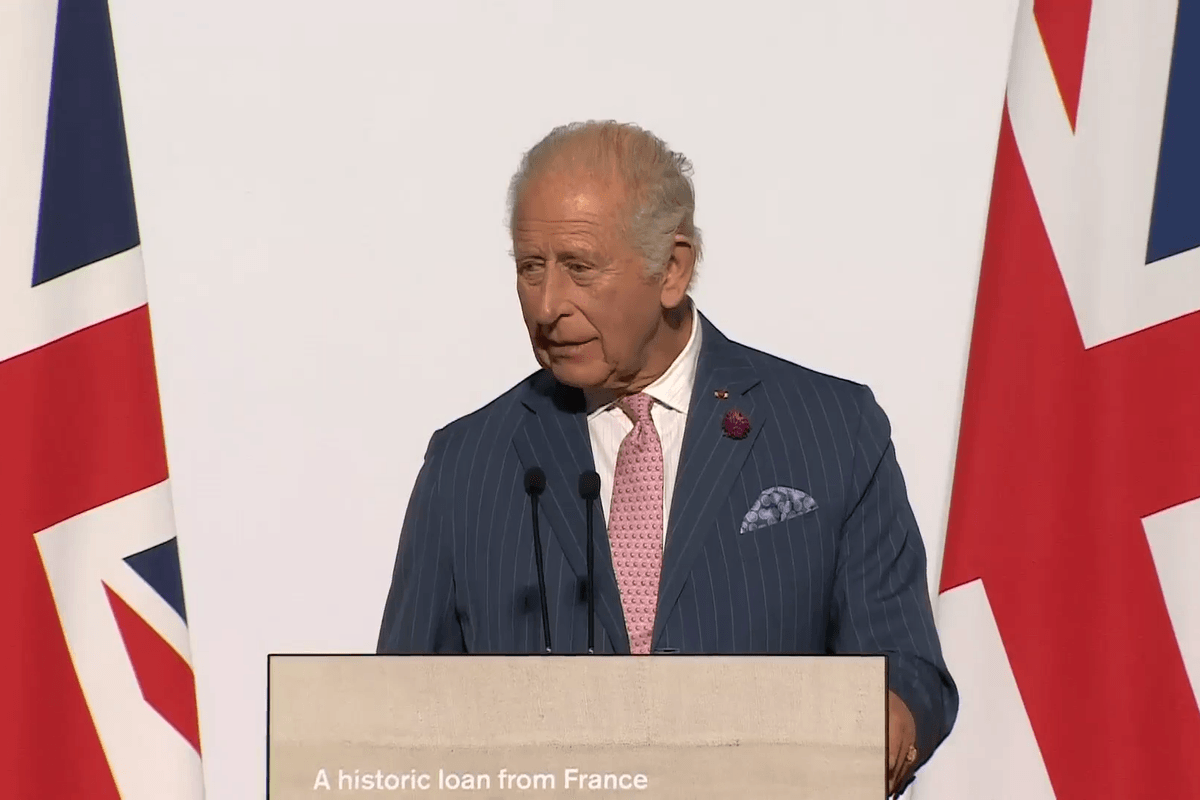
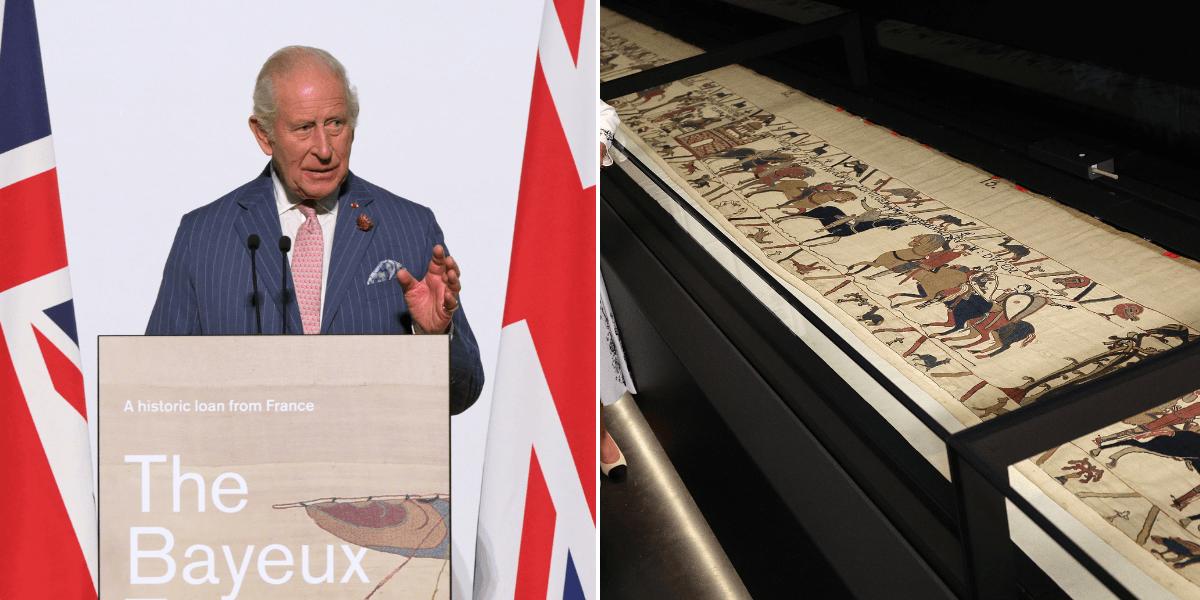
The monarch referred to the individuals who are believed to have created the famous 11th-century work as “English craftspeople” during a speech at the British Museum on Wednesday evening.
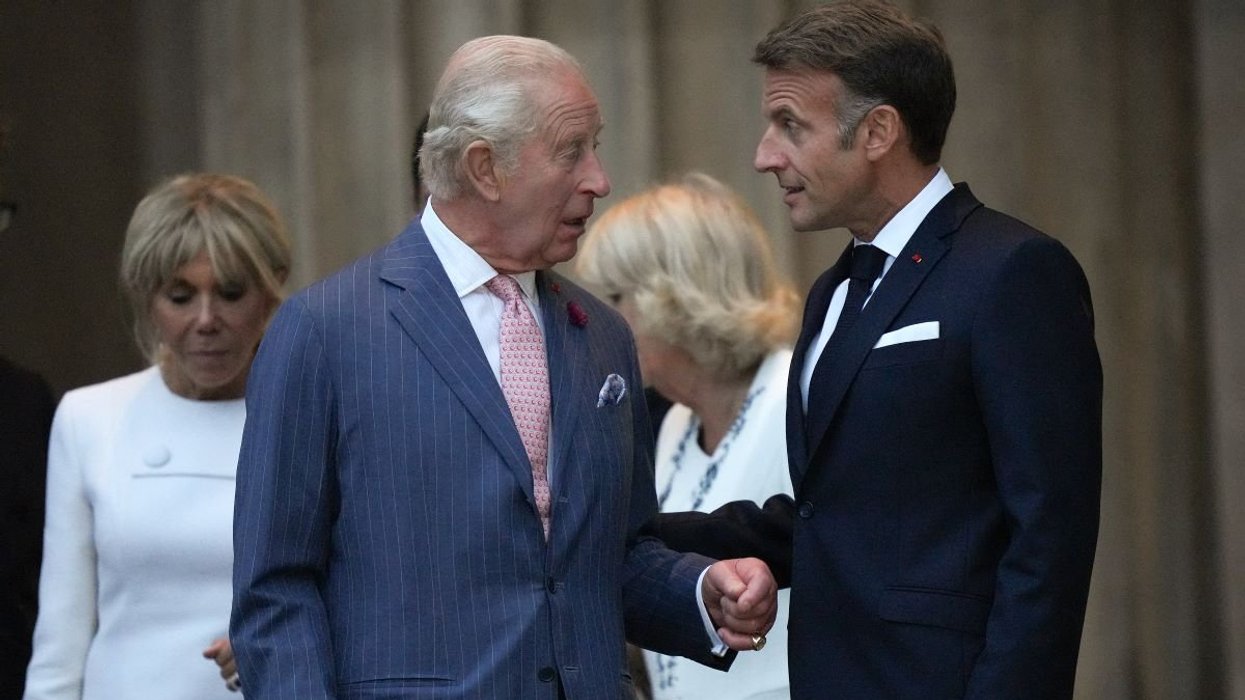
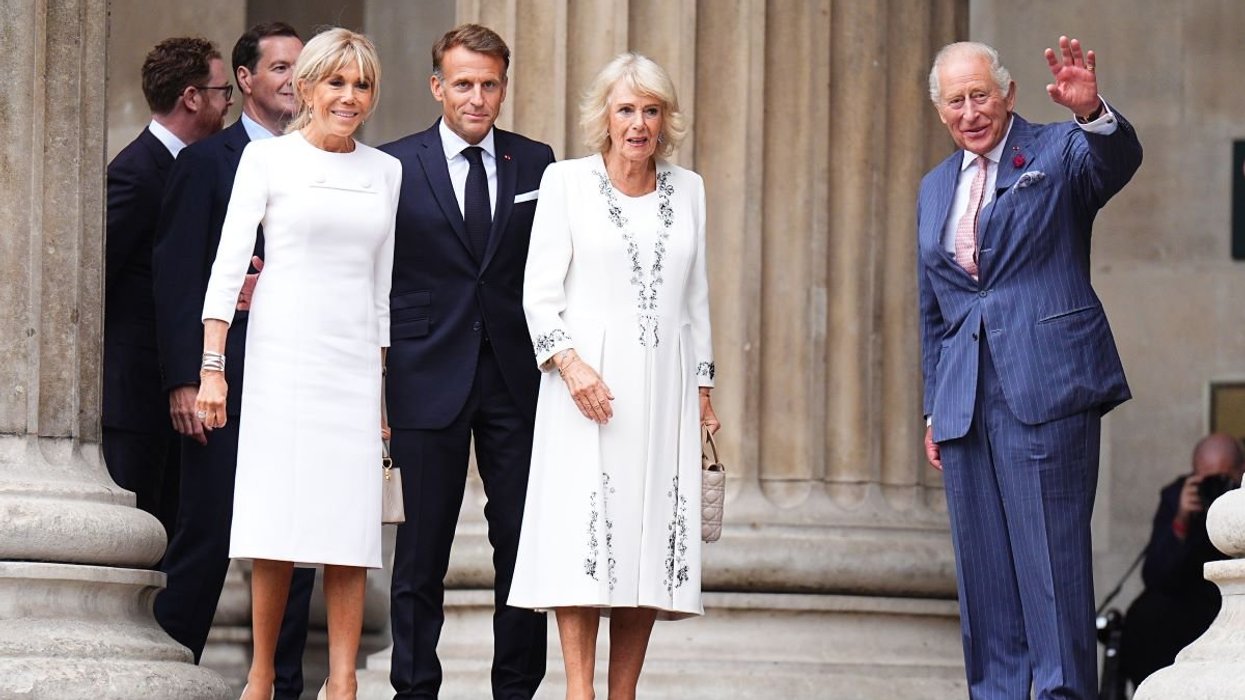
King Charles was speaking to French President Emmanuel Macron as the historic tapestry went on display in Britain for the first time.
The King highlighted the theory that, despite being commissioned in Normandy, the tapestry was “most likely to have been embroidered in Canterbury by English craftspeople”.
The wording is notable given the long association between embroidery and women, with textile work in the medieval period traditionally regarded as a predominantly female craft.
However, the identities and genders of the individual people who embroidered the Bayeux Tapestry are not known with certainty.
Rather than referring specifically to “women”, King Charles opted for the broader term “craftspeople” when describing those responsible for producing the intricate embroidery.
The King then used the possible English origins of the work to make a light-hearted suggestion about its name.
“The Bayeux Tapestry – or the Canterbury Embroidery as it might have just been called…” he said.
His remark was part of a wider attempt to present the tapestry as a symbol of the intertwined histories of Britain and France, rather than belonging exclusively to one nation.
King Charles said the artefact may have “brought together our two peoples” from the moment of its creation, pointing out that it was commissioned in Normandy but potentially made by English craftspeople in Canterbury.
The tapestry depicts the events surrounding the Norman Conquest of England in 1066, including the Battle of Hastings and William the Conqueror’s accession to the English throne.
LATEST ROYAL DEVELOPMENTS
King Charles described the events portrayed as “a moment that changed the course of these islands forever”.
The King also referred to the tapestry as the beginning of what he called the “French side” of his family’s history in Britain.
He joked that while he was “undoubtedly the direct descendant of King William I”, the 13th-century Treaty of Paris could affect any claim to being the current Duke of Normandy.
The monarch's comments came as Britain and France marked a significant cultural exchange, with the Bayeux Tapestry loaned to the British Museum and British treasures set to travel to France in return.
The Sutton Hoo Treasures are due to be displayed in Caen next year, while the Lewis Chessmen and Renaissance drawings will travel to Rouen.
King Charles said the objects demonstrated how Britain and France had been “bound together for almost a millennium”.
The King ultimately presented the tapestry as a symbol of cooperation between the two countries, describing its transformation from a depiction of medieval conflict into “a precious symbol of trust”.
He concluded his speech by saying that each generation could add to the “fabric of our shared history”, calling for a future “woven, as it should be, by Britain and France together”.