Thank you for subscribing!
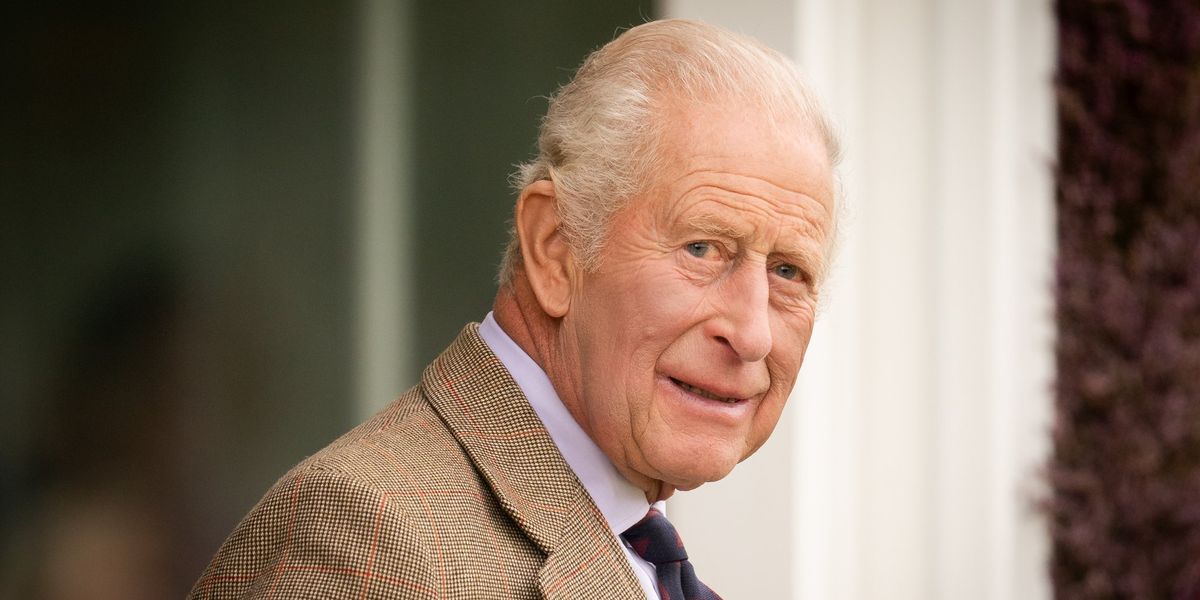
A personal donation from the King has been made to the British Red Cross's disaster fund in response to the catastrophic flash floods in Nepal, the charity confirmed.
The disaster, caused by a glacial collapse close to the Nepal-Tibet border nearly two weeks ago, has claimed more than 1,300 lives.
Some 5,000 people remain unaccounted for, among them over 30 British nationals.
King Charles, in a message of condolence, said he and the Queen were "heartbroken" by the "devastating" floods, extending their "most profound sympathy" to all those affected by the tragedy.
The British Red Cross has been coordinating closely with its Nepali counterpart on emergency relief, longer-term recovery programmes, healthcare provision, and water and sanitation efforts.
Volunteers from the Nepal Red Cross were amongst the earliest responders, working tirelessly around the clock.
Rajesh Srivastava, the British Red Cross's regional representative for South and East Asia, said: "Nobody knows how many people are still trapped under the mud as the full impact continues to emerge."
He added: "The ground reality is much more challenging than what we are seeing in the media. Houses are completely submerged in mud, with mud levels reaching 15 to 20 metres high."
Srivastava noted that extreme weather was compounding the difficulty of relief operations, and that many aid workers and volunteers had themselves suffered devastating personal losses.
"They are in a state of shock. They have lost their homes and, in some cases, their nearest and dearest. But despite these challenges, they are still working tirelessly," he said.
On Monday, Nepal observed a national day of mourning for the victims, with flags lowered at government buildings and families performing memorial rituals for the dead.
The search for those still missing continues amid treacherous conditions, with more than 5,000 people yet to be found. The fate of the British nationals among them remains unknown.
Humanitarian operations are pressing ahead despite the enormous challenges on the ground, with mud deposits of up to 20 metres burying entire homes and severe weather hampering rescue teams.
The full scale of the catastrophe is still emerging as responders work to reach affected communities.