Thank you for subscribing!
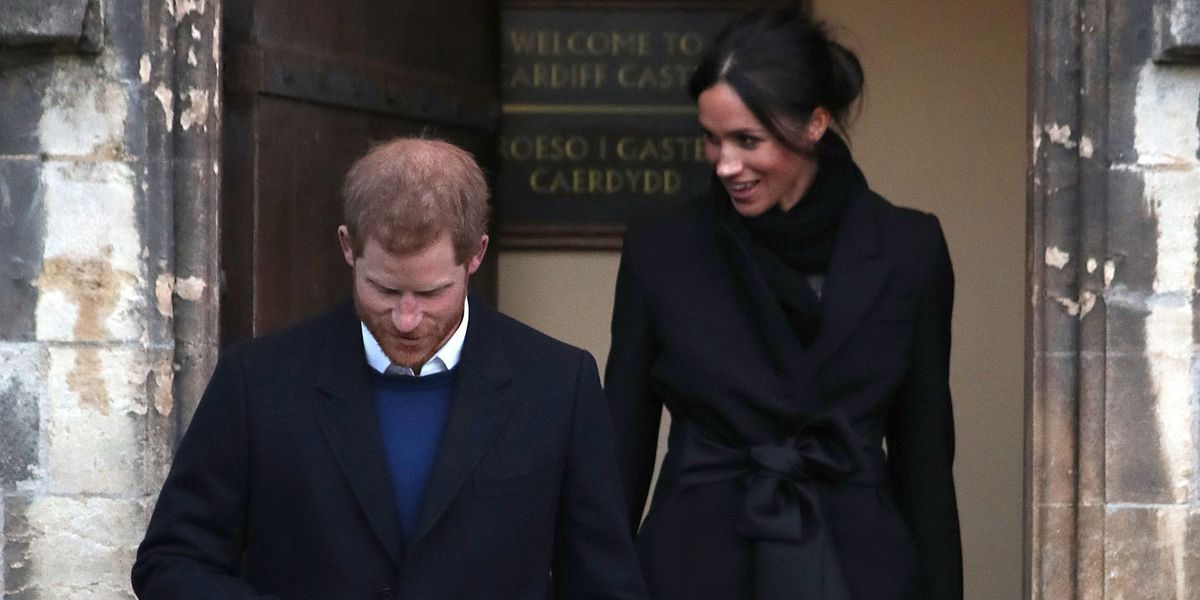
The Duke of Sussex arrived in Birmingham on Wednesday alongside Meghan, Archie and Lilibet
A former royal protection officer has condemned the decision not to grant Prince Harry and his family state-funded security following their return to Britain, describing the move as "incredible" and warning it leaves them exposed to harm.
Scott Hamer, who previously served as a Metropolitan Police protection officer guarding the then-Prince Charles, claimed that offering the Sussexes merely a police liaison officer's telephone number is "not protection".
"It's a fudge," he said. "I have been involved in protection for 25 years; I find it absolutely incredible."
Mr Hamer cautioned that the widely publicised lack of security arrangements actively endangers the family.
"It's putting them in danger," he told ITV. "The public are now aware of this whole issue and, of course, those people out there who may wish to do him harm - or his family harm - now know what his protection is or isn't like. And that creates a risk."
The Duke of Sussex arrived in Birmingham on Wednesday alongside Meghan, Prince Archie and Princess Lilibet as the family embarked on their new chapter living in Britain, having left their royal duties behind six years ago and relocated to California.
Despite this high-profile move, the Home Office's Ravec committee has determined that a telephone contact for a police liaison officer constitutes adequate provision for the family's safety.
Prince Harry's legal representatives have now written to Home Secretary Shabana Mahmood, urging her to personally intervene and revisit the assessment.
His team contends that the threat landscape has shifted materially now that the Sussexes are based permanently in the UK rather than visiting intermittently.
The family has not disclosed where they are living, nor which school their two children will attend from September.
Mr Hamer drew a pointed contrast with the security afforded to former Prime Ministers, noting that eight ex-holders of the office who no longer serve in Government currently receive police protection at public expense.
"The threats and risks to Prince Harry are far greater," he said.
He singled out Liz Truss as an example, arguing that her 49-day premiership raises questions about how threat assessments are applied.
"I am not privy to the intelligence regarding Liz Truss, but having been prime minister for 49 days... if we are basing this purely on threat and risk, which it should be, I would argue that Prince Harry should be in receipt of protection," he said.
The former officer insisted that security decisions ought to rest solely on objective evaluation of danger: "What we should be looking at is purely threat and risk - if you look at those objectively then I would argue that the current threat and risk to him and his family would mean that he should be entitled to police protection. It should not be about personality."
Ravec, the committee responsible for these assessments, comprises officials from the police, security services and the Royal Household. Harry maintains he has been deliberately targeted for differential treatment and argues the framework governing protection decisions was altered only after he stepped back from royal duties in 2020.
As the fifth in line to the throne, with Archie and Lilibet sitting sixth and seventh, the Duke believes the same risk evaluation process applied to other prominent public figures should extend to him.
While the Sussexes fund their own private security teams, those operatives face significant constraints on British soil: they have no access to intelligence from MI5 or MI6, and they are prohibited from carrying firearms.
Recent polling suggests most of the public opposes taxpayer-funded protection for the couple.