Thank you for subscribing!
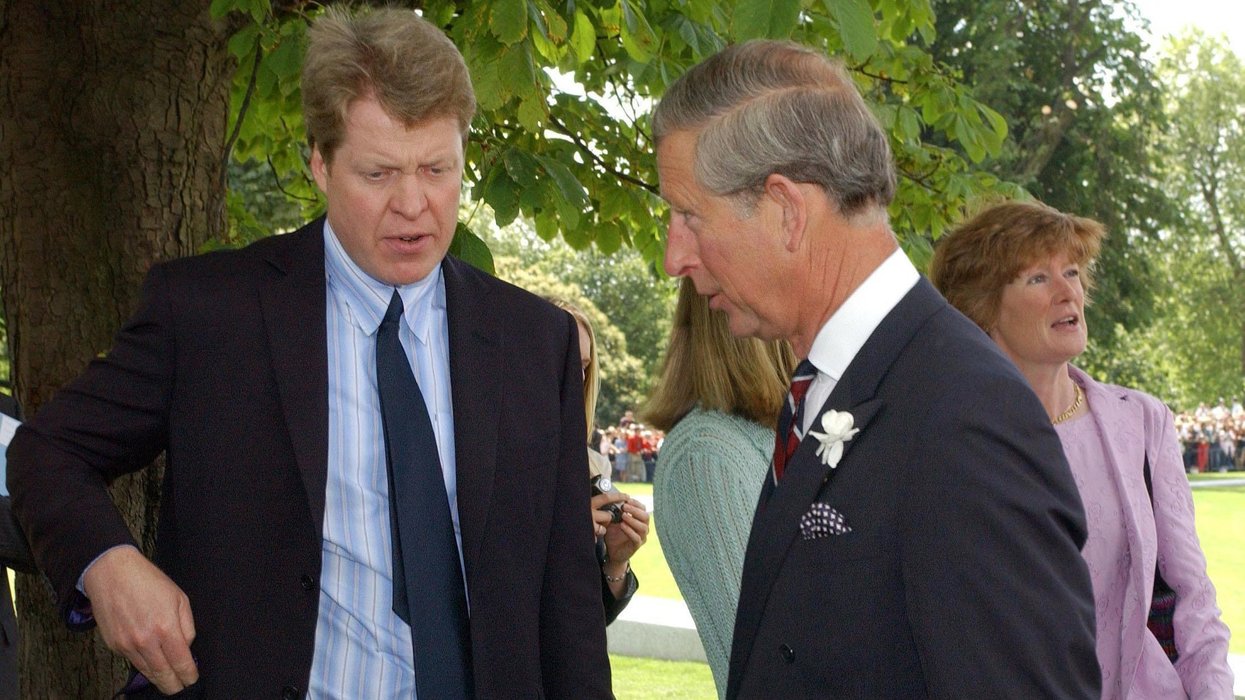
Earl Charles Spencer has stated that his motivation for writing the book was to set right "untruths" that had been told about his late sister
Earl Spencer chose not to forewarn either of Diana's sons, Prince Harry and Prince William, nor Buckingham Palace about the claims contained in his memoir about the late Princess of Wales.
Despite the book's existence being publicly known, an exceptionally tight security operation ensured the manuscript remained unseen by all parties prior to publication.
Neither Diana's former husband nor the Palace received any advance notice of the allegations set out in Swan Song: Diana, My Sister, which has already generated significant unease within royal circles.
The memoir's most explosive claim is that the King told Spencer during a telephone conversation ahead of Diana's funeral: "Rest assured, we'll forget her soon enough."
Spencer has stated that his motivation for writing the book was to set right "untruths" that had been told about his late sister.
The Daily Mail is currently serialising the memoir, and its very first extract was enough to provoke a public response from the Palace, which took the unusual step of openly challenging the account's accuracy.
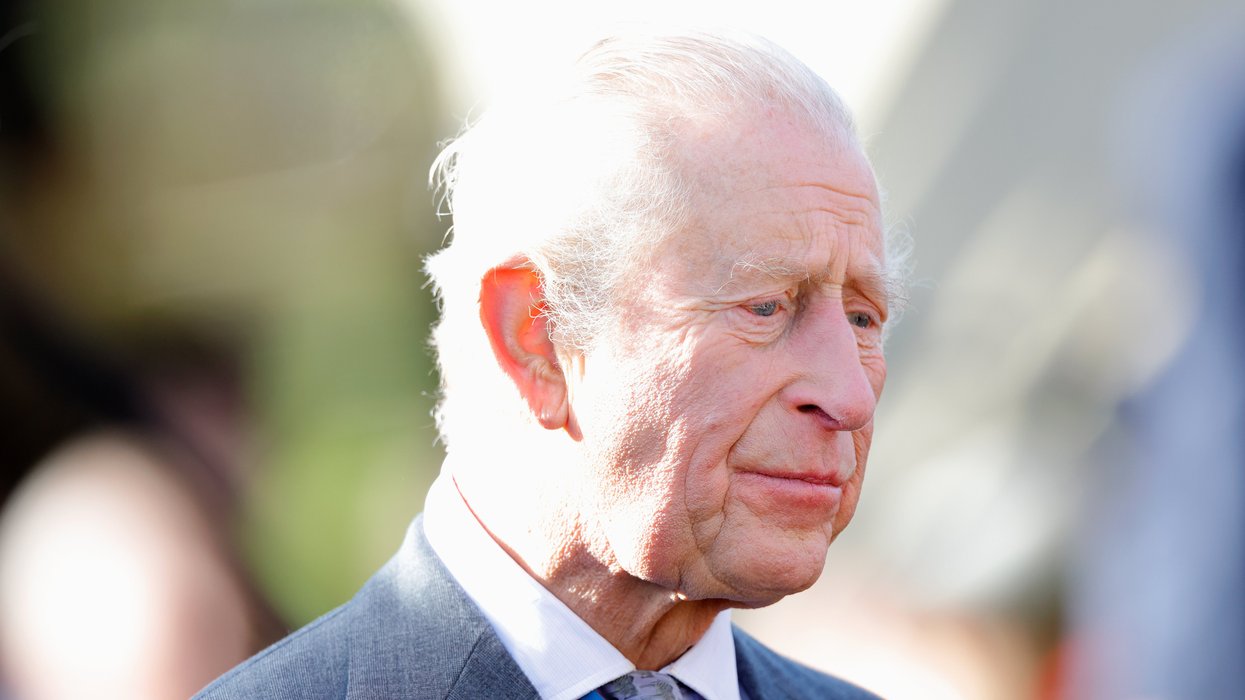
In a statement issued on Wednesday evening, the Palace said: "While we do not comment on books as a matter of principle, His Majesty is mindful that the pain of fraternal grief can cloud reason, affect judgment and colour memory in ways others do not recognise, even many years after such a loss."
The carefully chosen language drew immediate comparisons with the late Queen Elizabeth II's memorable "some recollections may vary" rejoinder, deployed in response to the Duke and Duchess of Sussex's bombshell interview with Oprah Winfrey.
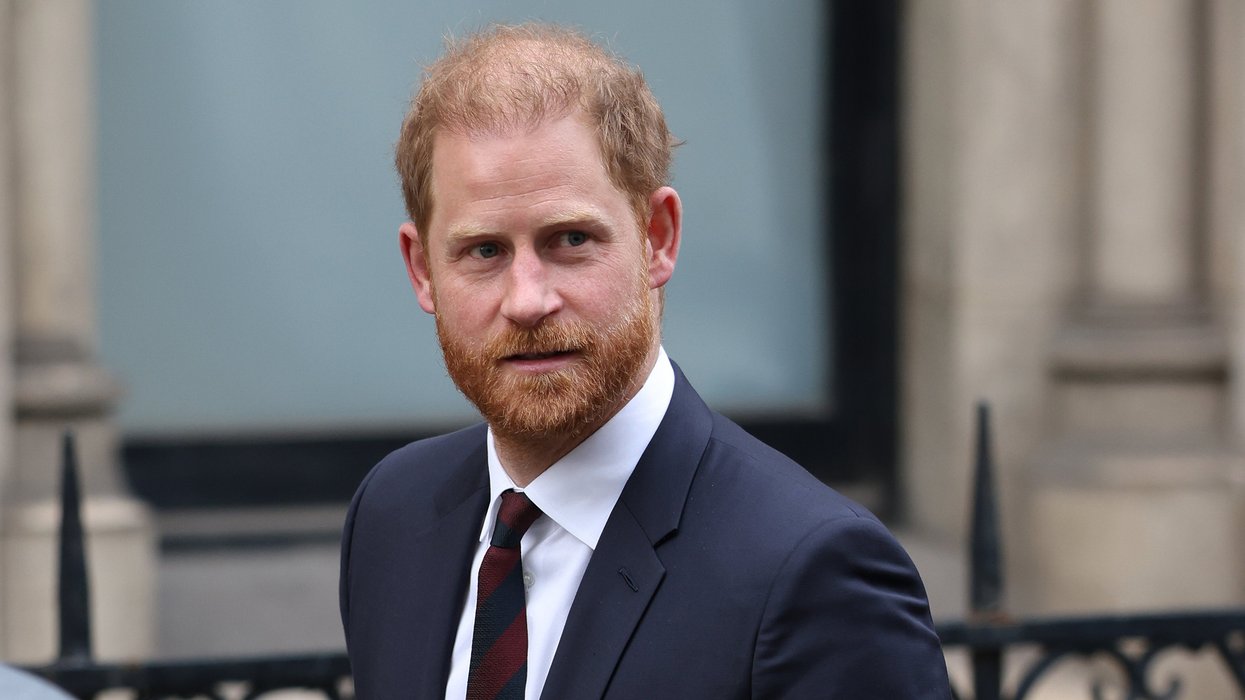
Harry and Meghan, along with their two children, had visited Spencer's Althorp estate in July.
Earlier today, a former communications secretary to the King has pushed back against Earl Spencer's explosive claim that the then Prince of Wales dismissed Diana's memory before her funeral, saying the monarch was "absolutely emphatic" that staff should never criticise the late princess.
Julian Payne's served as director of communications for the then Prince Charles and the Duchess of Cornwall over a five-year period beginning in 2016, a role that saw him working closely with the future King around the 20th anniversary of Diana's death.
Speaking to BBC Radio 4's Today programme, he said he did not recognise "the way the King is being characterised in those remarks".
During the summer of 2017, he recalled, Diana came up repeatedly in discussions owing to the intensity of media coverage surrounding the anniversary.
"What I remember was he was very clear that there was never to be any criticism, never to be any pushback on the narratives that were usually highly critical of him," Payne said.
He stressed that the King's protective instinct was directed entirely towards Diana's legacy rather than his own reputation: "That was absolutely about the late Princess and her memory, so it seems to me very odd that in the moment itself, with the grief of his family and his own shock, that he would choose that moment to use those words. It's just not language that I recognise."