Thank you for subscribing!
The Prince of Wales’s Homewards initiative will soon enter its fourth year
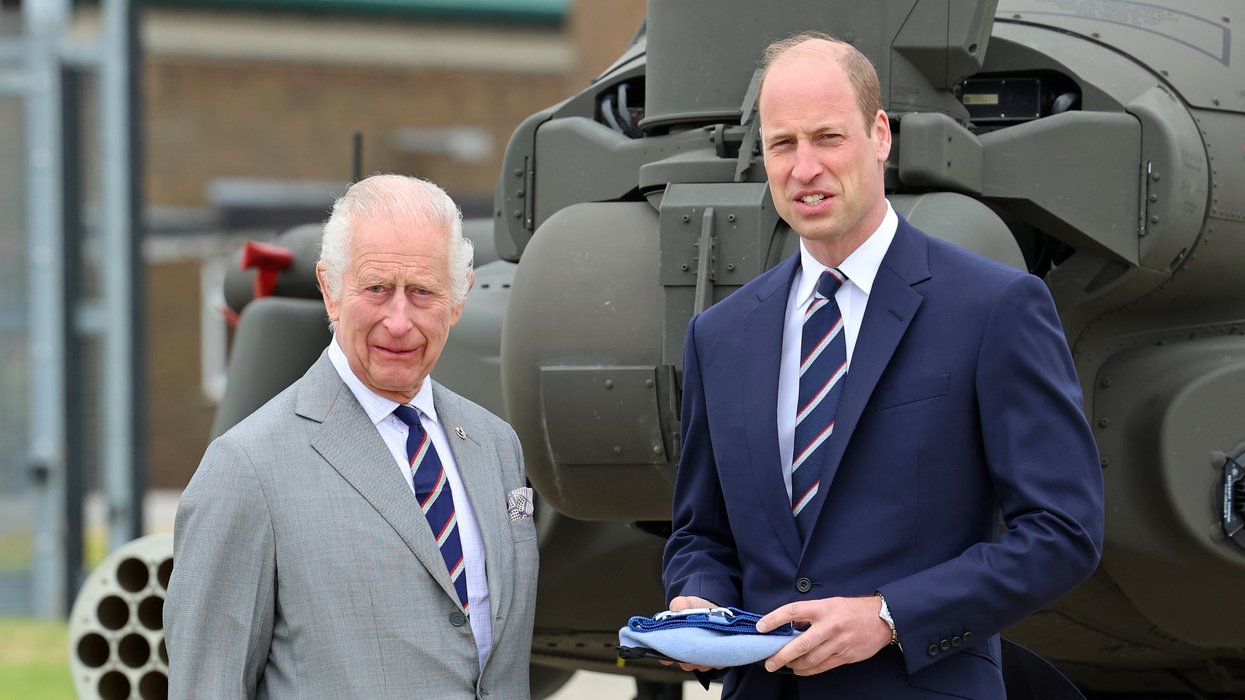
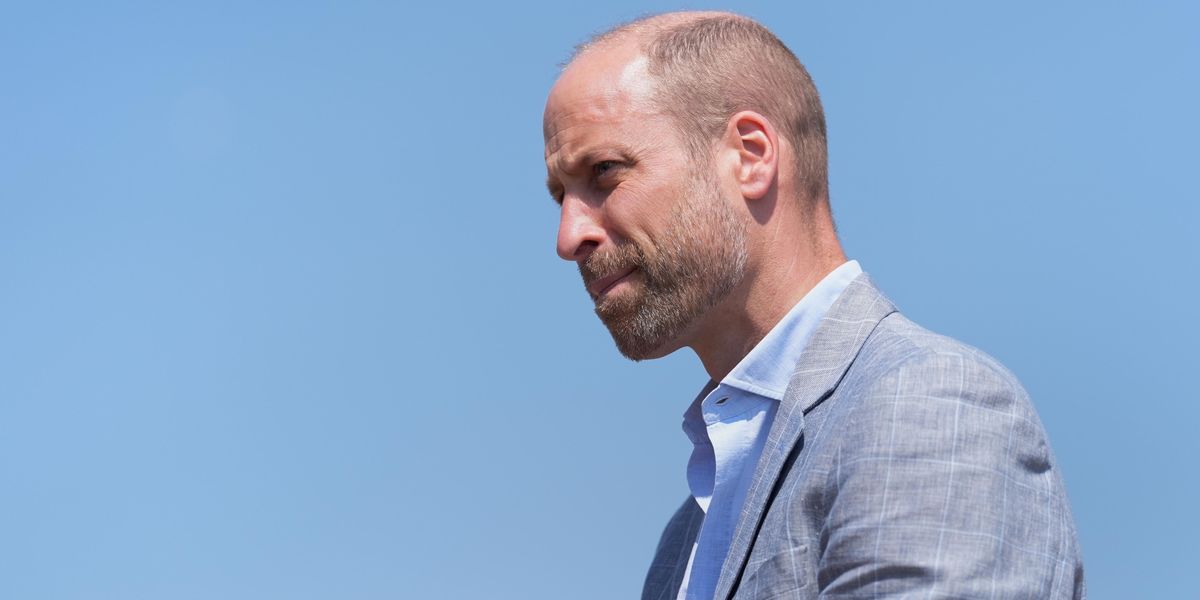
Prince William has suffered a fresh blow as new government data reveals that homelessness has worsened in four of his Homewards programme's six pilot locations.
This is despite efforts by both the heir to the throne and Prime Minister Andy Burnham to tackle the UK's deepening housing emergency.
Approximately 440,000 households across the country are currently classified as homeless, a figure that experts say reflects a crisis still far from being addressed.
The five-year project, launched with the ambition of eradicating homelessness nationwide, now faces mounting questions about whether its June 2028 target remains achievable.
Specialists in the sector argue that without a dramatic expansion of social housing, the underlying problem will persist.
Aberdeen, Bournemouth, Christchurch and Poole, Northern Ireland, and Sheffield all recorded year-on-year increases in households assessed as homeless.
Only Newport in south Wales and the London borough of Lambeth showed tangible improvement, though their figures remain elevated.
Burnham, who unsuccessfully pledged to eliminate rough sleeping during his tenure as Greater Manchester mayor, made an equivalent national commitment upon taking office.
According to a royal source, his work in the region since 2017 has served as inspiration for William's approach.
The latest English data, however, paints an uneven picture. Greater Manchester's ten boroughs collectively saw a 3.38 per cent annual reduction in those owed a homelessness prevention or relief duty, though half of those boroughs actually experienced rises.
Across England as a whole, the equivalent figure edged up by 0.48 per cent.
The scale of the crisis is starkest in Northern Ireland, where the number of people officially deemed homeless has surged by 156 per cent since 2014, climbing from 24,729 to a record 63,426 by the end of March this year.
Aberdeen has similarly reached unprecedented levels, with a council report published in April documenting the highest homelessness figures on record.
A confluence of pressures is driving the nationwide emergency. Insufficient social housing stock sits at the heart of the problem, according to charities, but soaring private rents, escalating house prices, population growth, family breakdown, and demand for refugee accommodation are all compounding the situation.
William's tailored strategy in each pilot area centres on early intervention and employment support aimed at stopping people from losing their homes before they reach crisis point.
The government has committed £39bn to a decade-long social and affordable housing programme intended to deliver 300,000 new homes, though some experts remain sceptical about whether this will prove sufficient.
Sarah Elliott, chief executive of Shelter, one of 300 organisations collaborating with Homewards, said: "Without enough genuinely affordable social homes, many families have nowhere to turn after being priced out of private renting, with little standing between them and homelessness."
Michael Corbishley, head of local delivery for Homewards at the Royal Foundation, acknowledged that homelessness continued to climb in some areas despite the programme's preventative work.
"Affordable housing is essential, which is why Homewards is delivering housing projects. But lasting change depends on combining more homes with prevention and support," he said.