





The FIA World Motor Sport Council has formally ratified amendments to Formula 1's power unit regulations for the 2027 and 2028 seasons.
The governing body confirmed a decisive shift towards greater internal combustion engine output, establishing a 58-42 split favouring the ICE next year before moving to 60-40 in 2028.
This campaign commenced with revolutionary engines running on fully sustainable fuels, yet the approximate 50-50 balance between combustion and electrical power swiftly drew criticism.
Subsequent negotiations involving all F1 stakeholders reached consensus on reducing drivers' need to conserve battery charge and regenerate energy during laps.
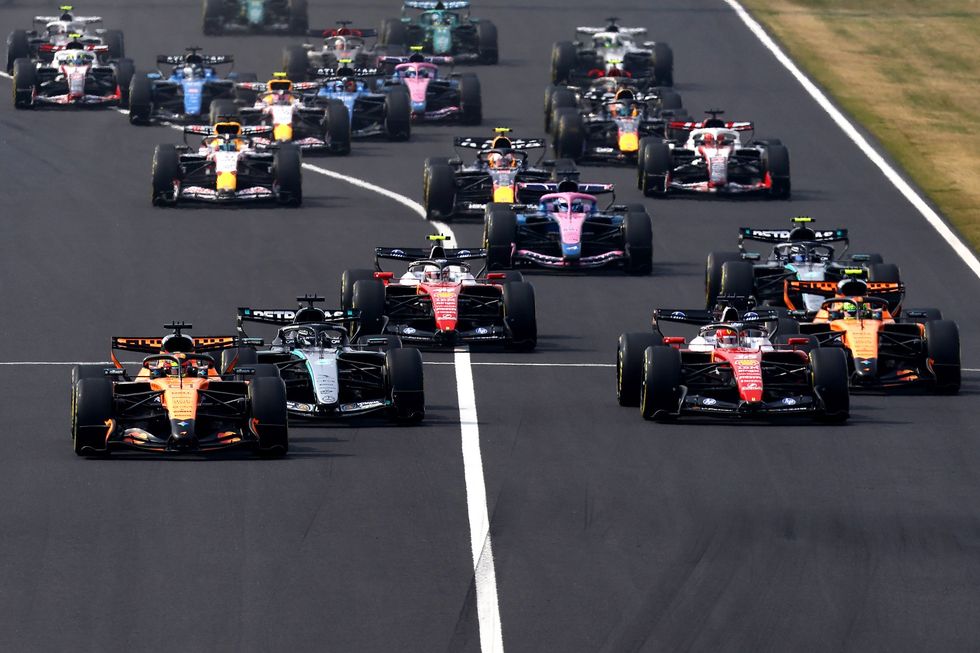
Formula 1 unveiled a comprehensive package of regulatory amendments designed to tackle widespread driver frustration with this season's new power unit rules but it has had a reversed effect
| GETTYThe WMSC officially incorporated these modifications into the Technical Regulations during their mid-season gathering at the FIA Conference in Macau.
Max Verstappen had been the most vocal critic of the current engine regulations, having disclosed in late March that he was contemplating departing the sport entirely at season's end.
His frustration stemmed from driving techniques required under the 2026 rules, which he felt were unnatural for optimising lap times.
When questioned about whether the approved changes would secure his continued participation, the Red Bull driver was unequivocal.
"Yeah, definitely. I just want a good product in Formula 1, and that will for sure improve the product," Verstappen stated.
"I've always said it doesn't matter if I had a good car or not, it's just a product, and I think the product will improve like that, so naturally I think then the enjoyment will go up as well."
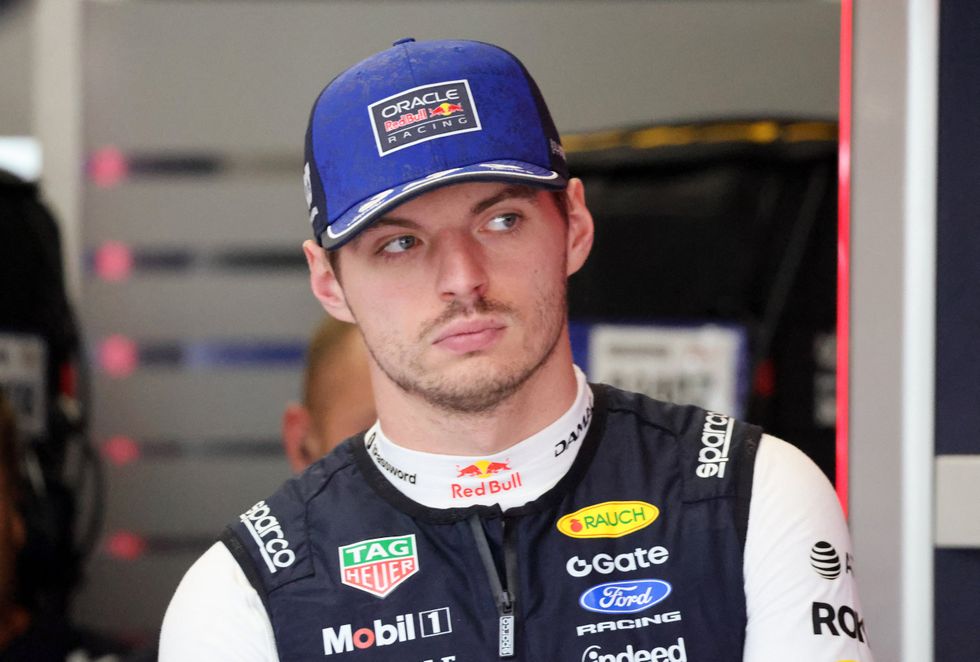
Max Verstappen has led the way in terms of complaints over the current engine regulations
| REUTERSFIA President Mohammed Ben Sulayem addressed the ongoing regulatory development, emphasising the collaborative approach taken with key figures across motorsport.
"As with every major regulatory change, the process does not end when the cars first take to the track. Continuous dialogue and collaboration are essential to ensuring that the regulations meet the needs of the sport, its drivers, and its fans," he remarked.
The President also revealed that discussions are underway regarding future power unit concepts, including the possibility of V8 engines utilising sustainable fuels.
Such conversations, he noted, demonstrate the collective willingness of all parties to shape the championship's next chapter whilst balancing innovation, sustainability and fan appeal.
Beyond the regulatory developments, Verstappen's immediate future at Red Bull Racing remains uncertain despite his contract extending through 2028.
The four-time world champion has yet to commit to the Austrian outfit for 2027, with a contractual clause permitting his departure should he fall outside the championship's top two positions by the summer break.
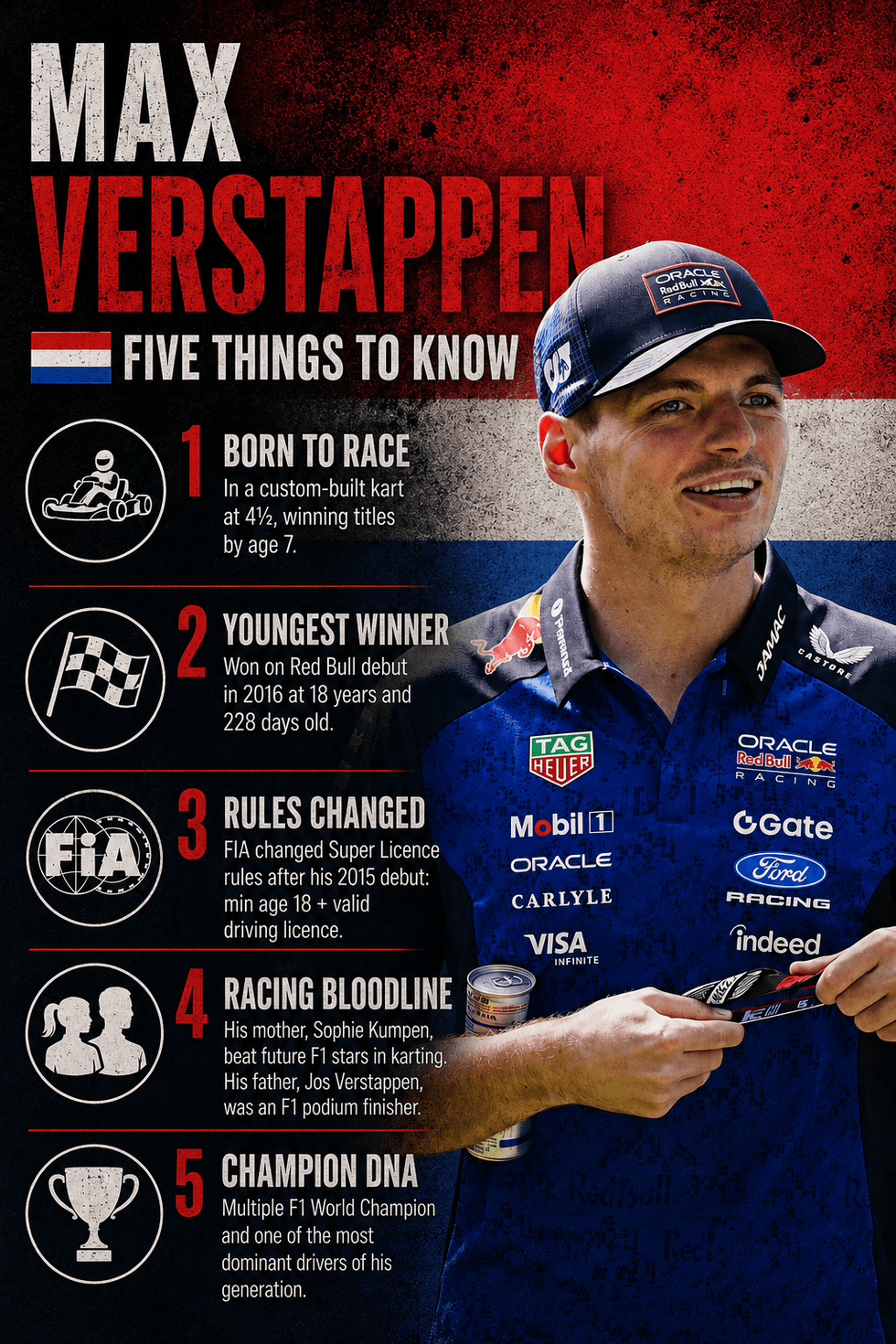
Red Bull's home race at Spielberg proved pivotal, with the team introducing what team principal Laurent Mekies described as likely their final major update of the season due to budget cap constraints.
The RB22's improvement was evident in qualifying, where Verstappen closed to within 0.061 seconds of pole position before crashing in the penultimate corner.