BBC executives would like Netflix and other US streamers to require the £180 fee
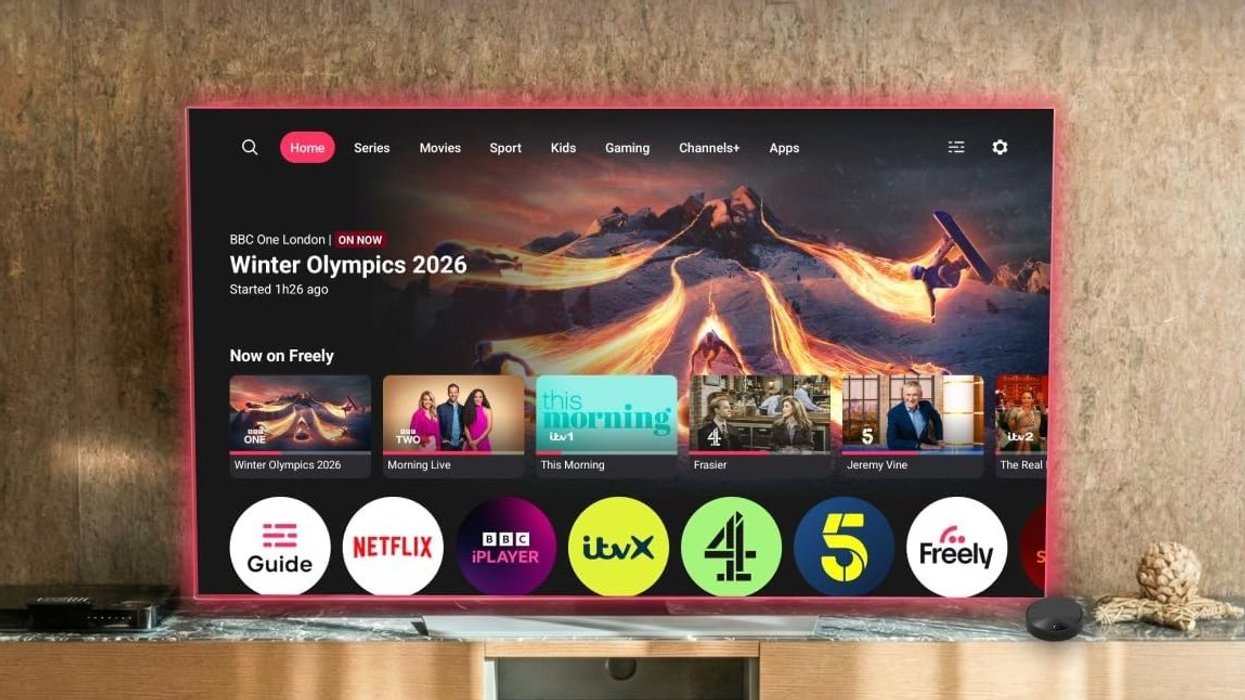
BBC executives are scrambling to plug the shortfall in licence fee payments, with radical ideas like blocking access to BBC iPlayer for anyone who hasn't paid the £180 annual levy. Another suggestion would force Britons to cough up for the TV licence fee to watch US streamers like Netflix, Disney+, Paramount+, and Prime Video.
But the latter has drawn the ire of Hollywood studios. The Motion Picture Association, which represents the biggest US streamers and studios, has spoken out against the plans, making it clear that popular services like Netflix and Disney+ don't want to be dragged into licence fee disputes.
As it stands, Britons only need to be covered by the TV licence when watching live shows — like boxing matches or sport fixtures — on streamers like Netflix, Apple TV, and Prime Video.
You've always needed to be covered by a TV licence to catch up on previously aired shows and films on BBC iPlayer.
However, watching on-demand content from streaming services like Netflix, Disney+, Apple TV, Channel 4, ITVX, and Prime Video was exempt. But that changes as soon as you're watching live content on these platforms.
Under new proposals, the BBC would broaden the requirements so any household with a subscription to a streaming service would need to be covered by the TV licence fee. That would bring in a lot more people, potentially reducing how much each household pays.
To make that work, BBC executives have suggested that streamers like Netflix and Disney+ would need to share data with TV Licensing, including surfacing “pop-up warnings” that remind viewers they need to be covered by a £180 licence, or even block access to content until someone confirms they've paid the levy.
According to sources speaking to The Times, some in the UK Government are receptive to this proposal. However, the Hollywood studios are clearly not keen. The Motion Picture Association represents the likes of Netflix, Disney, Warner Bros. Discovery, Paramount, Sony Pictures, Universal, Prime Video and MGM Studios.
It has flagged concerns to Downing Street's ongoing Charter Review. Cordbusters has seen the comments from the MPA, which says it would “caution against any suggestion that third parties such as broadcasters’ VOD services and streaming providers play a role in the collection and enforcement of the licence fee.”
The US trade association argues that collecting the fee should remain “the duty of the BBC and TVL, and the focus should be on making this process more effective rather than creating new responsibilities for others.”
It also cautions that passing these responsibilities to streamers “would likely incur new costs for business, with a downstream impact on viewers and their viewing experience” – suggesting that Netflix will pass on any costs incurred by coding a new licence-checking mechanism into its smartphone, tablet, and Smart TV apps.
The latest figures from the BBC show that 94% of viewers in the UK access some BBC services each month, but fewer than 80% pay the £180 licence fee, leaving the broadcaster hundreds of millions of pounds short each year.
It comes as the BBC Chairman previously floated the idea of linking the TV licence fee to the value of homes in an exclusive interview with The Sunday Times earlier this year. It was the first major intervention from telly veteran Samir Shah since taking over the post from Richard Sharp.
During the interview, the BBC Chairman dismisses several other proposals to replace the TV licence fee, including moving the BBC to a Netflix-style subscription, which Samir Shah says would "not meet the BBC’s key role to offer something for everyone in the country”. Meanwhile, advertising on the BBC “would kill off ITV”, he adds.
Samir Shah excludes the possibility of a hybrid model, which sees the BBC provide some basic services, like national news, for free, while other offerings, including drama and comedy series, are subject to a monthly subscription.
Any new funding model would be implemented from 2027 when the current Royal Charter ends.