Thank you for subscribing!
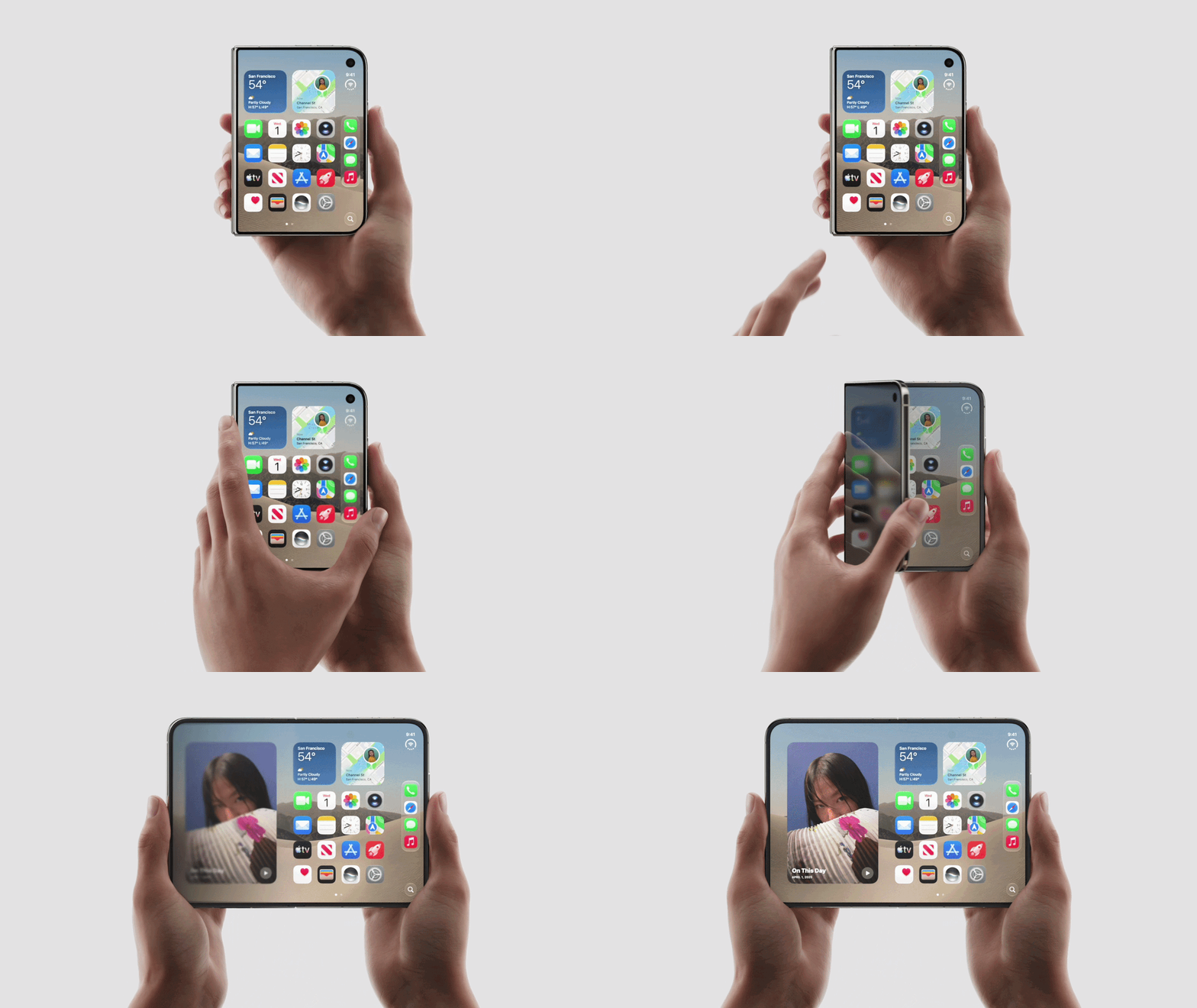
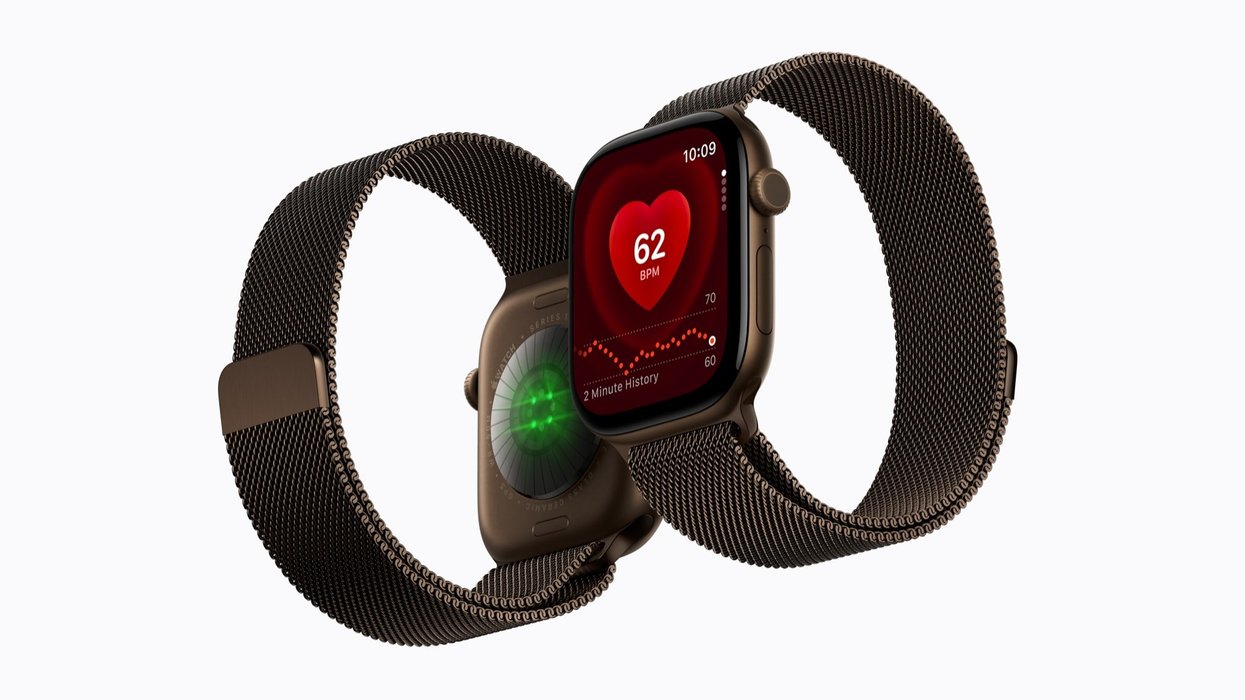
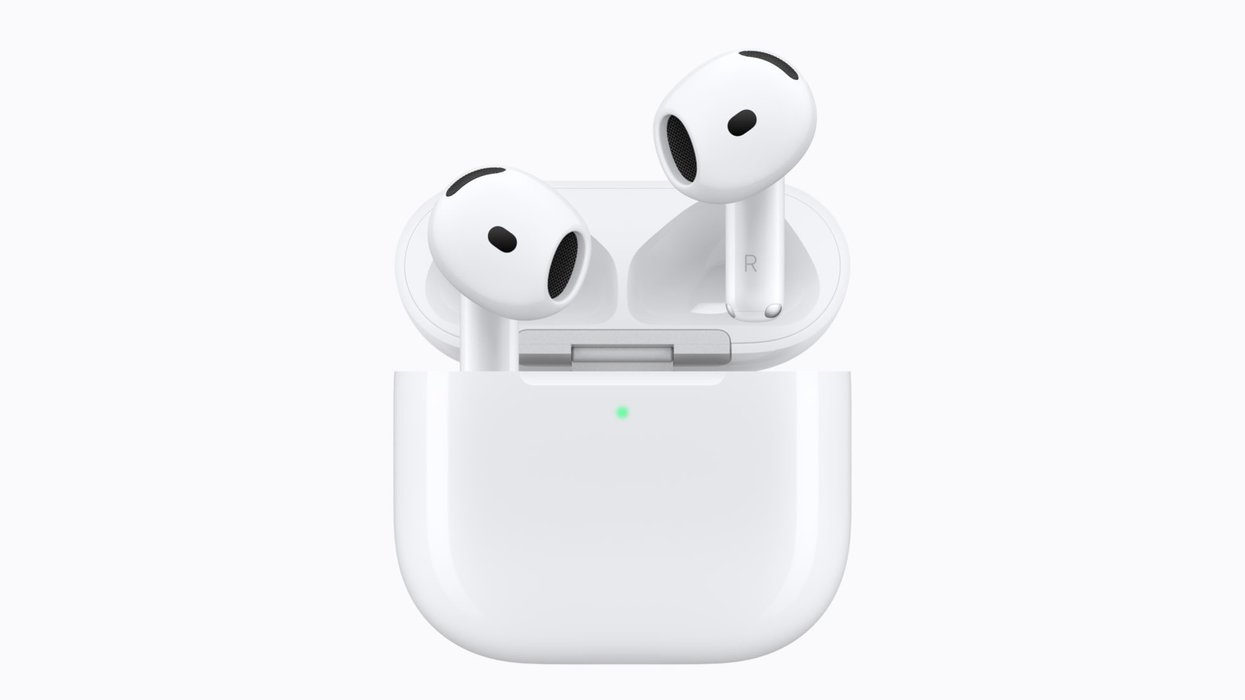
Apple just wrapped up its annual September event — the first under new Chief Executive John Ternus — where the Californian company announced its first foldable iPhone, iPhone 18 Pro and iPhone 18 Pro Max, AirPods 5 with better noise-cancellation, and new Apple Watch Series 12 and Ultra 4 with redesigned heart-rate sensors.
It was a packed showcase, but despite the slew of announcements, there were a few things missing.
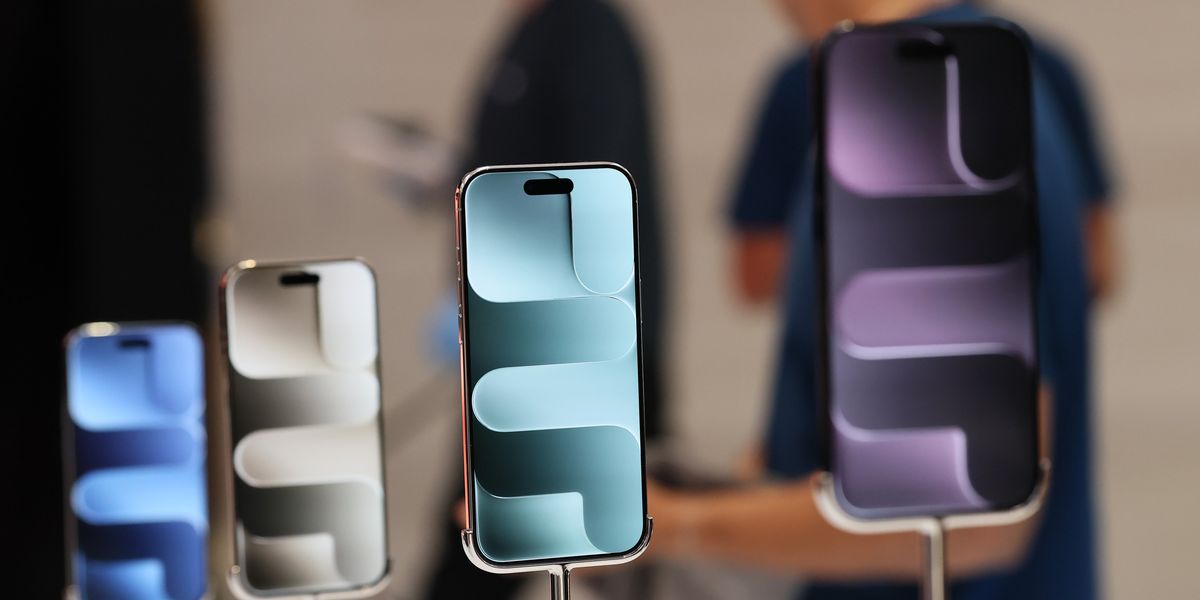
Apple didn't announce a successor to either iPhone 17 or ultra-slim iPhone Air, despite both of these devices being unveiled at the same time as iPhone 17 Pro and iPhone 17 Pro Max last year. Apple typically refreshes its entire iPhone lineup like clockwork each September, so this is a pretty unusual state of affairs.
If you're looking for a non-Pro iPhone, you're stuck with iPhone 17.
Apple CEO John Ternus didn't offer an explanation for the lack of a regular iPhone 18 during the keynote presentation, but sources inside the secretive US company suggest Apple has decided to spread the release of its iPhone lineup more evenly across the calendar.
If the rumours are accurate, we won't see successors to iPhone 17 or iPhone Air until early next year, timed to coincide with the one-year anniversary of the iPhone 17e launch.
We'd expect to see an iPhone 18e, iPhone 18, and iPhone Air 2 during that showcase, completing the lineup and offering some more affordable options for those who want the latest features, colourways, and designs.
If that timeline is accurate, iPhone 17 will be the go-to non-Pro iPhone for an impressive 16 months.
iPhone 17 launched with a larger, always-on screen with support for ProMotion — the variable refresh rate that enables buttery-smooth animations and fast-paced console-quality games.
Unlike the Pro-grade iPhone with its triple-camera system, iPhone 17 has two cameras on the back: a 48-megapixel main camera and a 48-megapixel ultra-wide.
However, by default, iPhone 17 shoots 24-megapixel photographs — that ensures a manageable file size and smaller iCloud backups while still keeping a crisp resolution. It means you can shoot lossless 2x zoom by cropping into the sensor, letting you get a little closer to the subject.
It's not a patch on the 5x lossless zoom available on the iPhone 17 Pro, iPhone 17 Pro Max, iPhone 18 Pro, and iPhone 18 Pro Max, but it's nice to have the option, despite being limited to just two cameras.
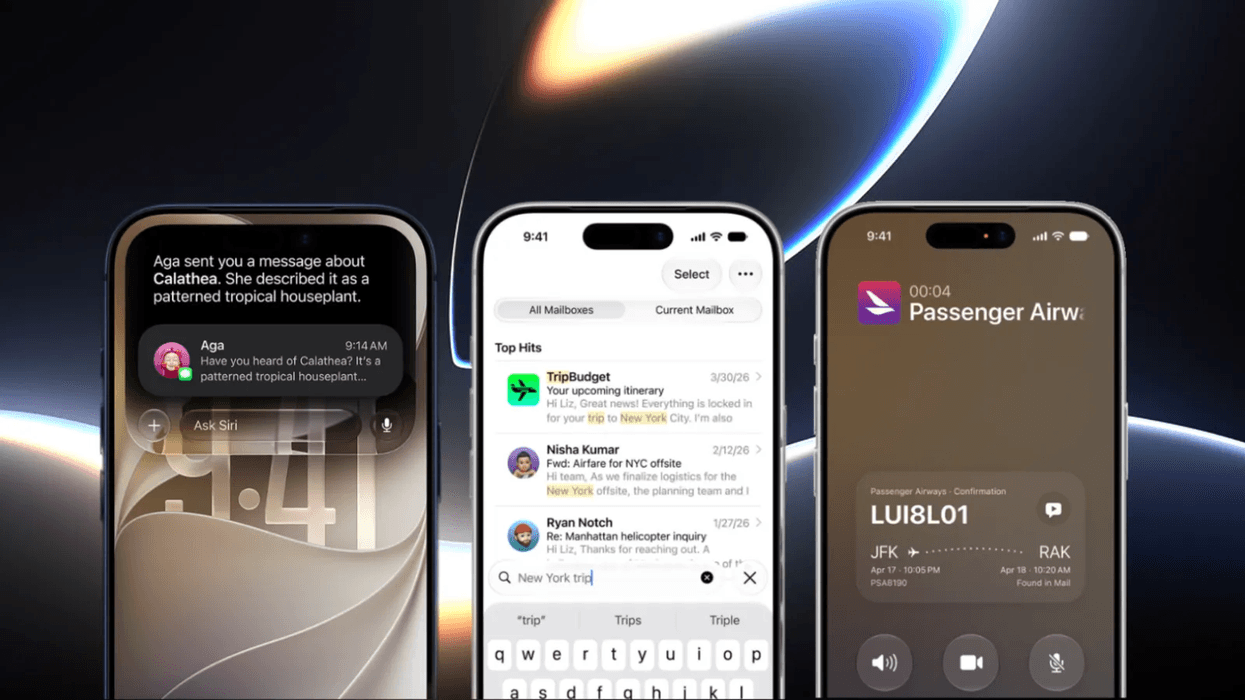
iPhone 17 supports the redesigned Siri AI assistant, which is included as part of the free update to iOS 27.
Unfortunately, you will need to pay a little more for an iPhone 17. Apple quietly increased the price tag by £100 when the curtain fell on its September showcase.
This is most likely due to the ongoing shortage of components worldwide — driven by the intense demand from AI data centres — that forced Apple to hike prices across its iPad and Mac lineup earlier this summer.
While iPhone 17 was available from £799 at launch, that same model will now cost £899. Likewise, iPhone Air — another model that went sequel-less during the September event — also saw a price bump. It launched at £999, but has increased to £1,099 with the latest price rises.
Apple isn't alone. Samsung and Google both increased prices with the launch of their newest devices as intense demand for components and memory drives up manufacturing costs worldwide. Google added an extra £80 to the price tag of its Pixel 11 lineup, compared to the Pixel 10 released one year earlier. That's the same increase seen on the latest Galaxy S26 models from Samsung, compared to the Galaxy S25.