Britons will not be hit with mandatory tourist levies when visiting the Canary Islands
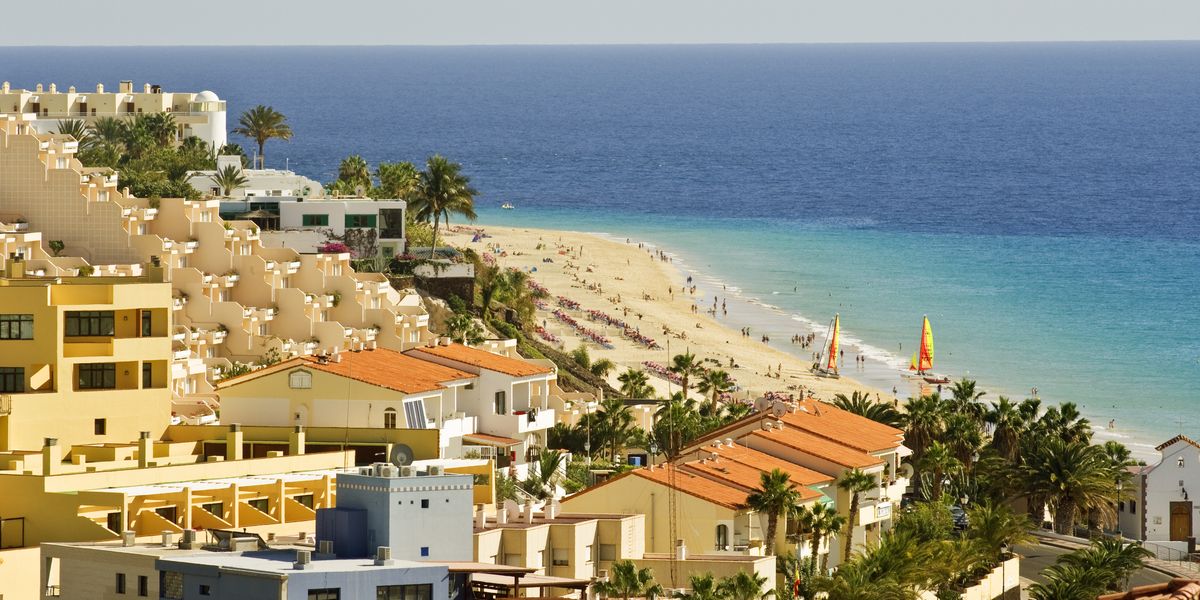
The Canary Islands has unveiled a new sustainability scheme as an alternative to introducing a compulsory tourist tax.
This means tourists, including British holidaymakers, will not face an additional compulsory charge when visiting the popular Spanish destination.
The Canary Islands Government, together with the Spanish Tourist Office UK, has launched REGNEXT (Canary Islands Tourism Regeneration and Nature Restoration Fund). This is a voluntary platform allowing visitors, travel companies and organisations to contribute towards environmental and community projects across the islands.
The announcement comes as a growing number of European destinations introduce visitor levies to help fund sustainable tourism initiatives.
Instead, the Canary Islands opted for voluntary contribution, allowing holidaymakers to choose whether they want to support projects during or after booking their holiday.
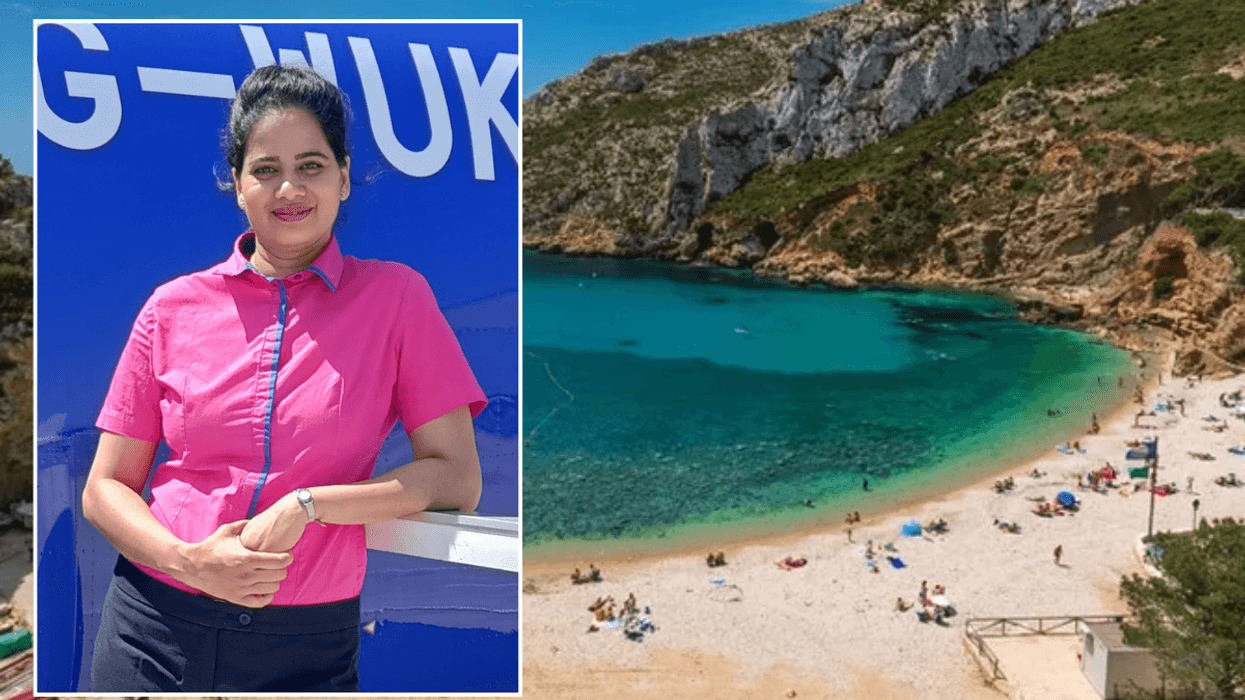
Director of the Spanish Tourist Office UK, Manuel Butler, said: "The Spanish Tourist Office welcomes this innovative approach, which replaces obligation with voluntary contributions to well-designed sustainability projects that will benefit both visitors to the Canary Islands and local communities.
"By supporting tangible environmental and social initiatives, REGNEXT will help protect and restore natural spaces, reduce emissions, improve quality of life for residents and enhance the visitor experience."
Holidaymakers can browse approved projects, select those they wish to support and track how their contributions are spent.
Each project will include details on its objectives, budget, timetable and expected outcomes, alongside regular progress updates and independently verifiable environmental and social impact data.
LATEST TRAVEL
Among the first travel companies to participate are easyJet holidays, Jet2.com, Jet2holidays and TUI.
The Canary Islands' Minister of Tourism, Jessica de León, said: "We are driving a profound transformation of our tourism model with a very clear objective: to ensure tourism delivers greater benefits for the people of the Canary Islands. REGNEXT is one of the key tools that will help us achieve that ambition.
"For many years, we have worked to reduce tourism's environmental impact through greater energy efficiency and lower emissions. Now it is time to go one step further and create a tourism model capable of generating a positive impact on the destination.
"REGNEXT has been created to make tourism an active force for environmental and social regeneration. Through voluntary contributions from visitors, businesses and climate foundations, we can ensure that part of the value tourism generates is reinvested directly into restoring ecosystems, strengthening climate resilience and improving the communities that make our destination so special.
"Most importantly, this places the people of the Canary Islands at the heart of our tourism policy while building a fairer, more sustainable tourism model that delivers greater benefits for everyone."
Projects supported through REGNEXT will include habitat restoration, biodiversity conservation, emissions reduction, climate adaptation, landscape improvement and community initiatives, including affordable housing and food banks.
The Canary Islands Government has also outlined wider tourism reforms, including tighter regulation of holiday rentals. The Sustainable Regulation of Tourist Use of Residential Properties Act has already paused the registration of new holiday rental accommodation in 85 of the islands' 88 municipalities while local authorities decide how many properties can be sustainably accommodated.
Around 1,500 holiday rental properties have already voluntarily left the Canary Islands Tourism Register.
Director General for Tourism Planning, Training and Promotion, Miguel Ángel Rodríguez, said: "Our objective has never been to eliminate holiday rentals but to ensure they develop in a sustainable and properly planned way. For the first time, local authorities will be able to decide where this type of accommodation is appropriate, based on planning, environmental assessment and the needs of local communities.
"The early results are encouraging. We have seen a voluntary reduction in registered properties while creating the conditions for a more balanced tourism model that protects housing, respects urban environments and provides greater certainty for residents, visitors and the tourism industry alike."