Thank you for subscribing!
Carrying too much weight around the midsection stops the body from absorbing some nutrients
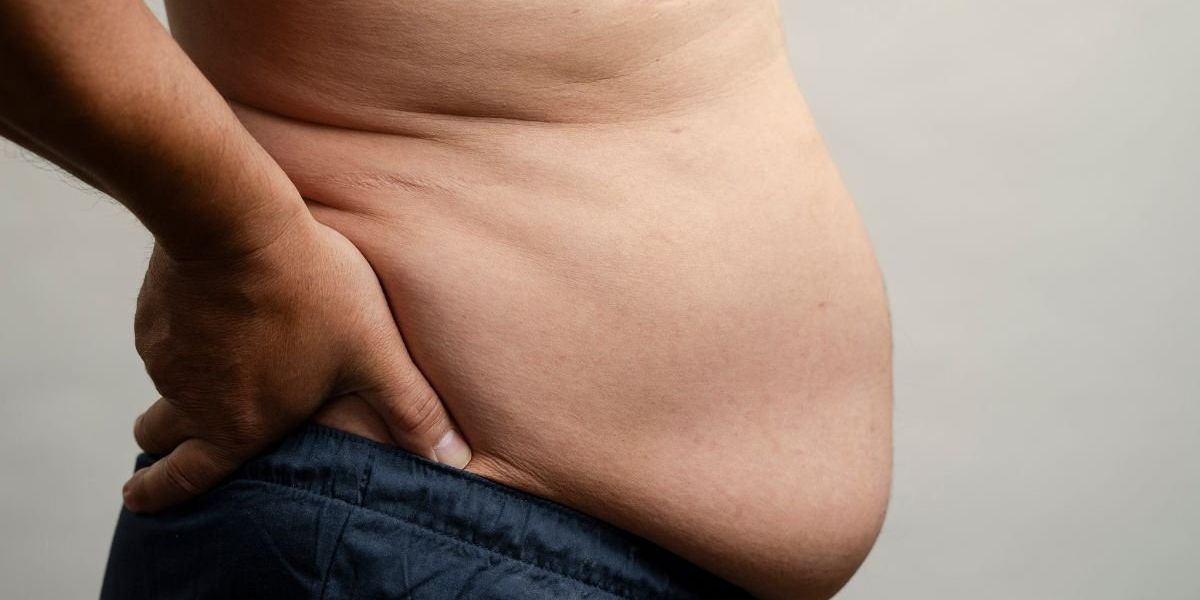
A major study involving University College London and Brazilian researchers has revealed that carrying excess belly fat while also lacking sufficient vitamin D more than doubles the risk of death in adults aged over 50.
The research, published yesterday in the journal Diabetes, Obesity and Metabolism, tracked more than 5,500 participants and found that those with both abdominal obesity and vitamin D deficiency faced a 123 per cent greater likelihood of dying over a six-year period compared with individuals who had neither condition.
While each factor independently raised mortality risk, the two together proved far more lethal than the sum of their parts. The findings point to a self-reinforcing biological cycle in which abdominal fat effectively traps vitamin D, depriving the body of a crucial hormone and fuelling chronic inflammation.
The study drew its participants from the English Longitudinal Study of Ageing, one of the world's most extensive research programmes focused on later life. In total, 5,520 individuals aged 50 and above were monitored over six years.
Vitamin D deficiency was classified as blood levels falling below 30 nmol/L. Abdominal obesity was determined by waist measurements exceeding 102 centimetres for men and 88 centimetres for women.
Taken in isolation, each condition carried a significant but distinct threat. Those with excess abdominal fat alone saw their mortality risk climb by 47 per cent.
Vitamin D deficiency on its own proved even more dangerous, with an associated increase of up to 91 per cent. Yet when both conditions coincided, the combined risk surpassed either individual figure dramatically.
The study's lead coordinator, Professor Tiago Silva Alexandre of the Federal University of São Carlos, described a vicious cycle at work within the body. Fat stored around the abdomen can "sequester" vitamin D, locking it away inside fat cells rather than allowing it to circulate freely through the bloodstream.
"This means that although the body may have the vitamin stored in fat, it isn't freely available in the blood to perform vital functions in other organs and systems," he said.
Obesity further compounds the problem by suppressing the enzymes responsible for metabolising vitamin D, restricting how much the body can actually utilise.
"Abdominal obesity reduces circulating vitamin D, and that deficiency impairs the immune system, exacerbating the chronic inflammation caused by excess fat and drastically increasing the risk of mortality," Professor Alexandre explained.
This dual threat takes on particular significance in older populations, where the natural ageing process already drives a state of persistent low-grade inflammation known as inflammaging.
"Under normal conditions, vitamin D acts as a regulator of the immune system, preventing inflammation from getting out of control. When vitamin D levels are low, and there's excess abdominal fat, an unfavourable systemic environment develops that accelerates cardiovascular and metabolic diseases, as well as muscle loss," Professor Alexandre stressed.
In essence, the body loses one of its key defences against runaway inflammation at precisely the moment it needs it most.
The resulting environment hastens the progression of heart disease and metabolic disorders whilst simultaneously eroding muscle mass — a combination that can prove devastating for those in later life.
These findings form part of a wider body of work by the same research group examining vitamin D's role in the ageing process. Earlier studies identified what Professor Alexandre described as a cascade effect.
"In previous studies, we identified a cascade effect. Vitamin D deficiency leads to a loss of strength, which results in reduced walking speed, causing a loss of independence and greater dependence in daily activities," he explained.
Separate research by the group has also linked insufficient vitamin D to heightened risk of cognitive decline.
Professor Alexandre's message for the over-50s was unequivocal: keeping track of vitamin D levels and addressing excess abdominal fat are vital steps in staving off premature death. Both, he argued, represent essential and actionable preventive measures.