Thank you for subscribing!
The 32-year-old hopes her father's story will inspire others to get their symptoms checked sooner
A Geordie woman has told how her father died after he was repeatedly sent home with laxatives despite presenting with severe cancer warning signs - a story that has now inspired a new campaign to hand out at-home bowel health tests in London pubs.
Zahida Allen, who features in the sixth series of Geordie Shore, has teamed up with Newfoundland on the ‘Know Your Sh!t! Initiative after watching her father’s cancer go undetected through repeated GP visits.
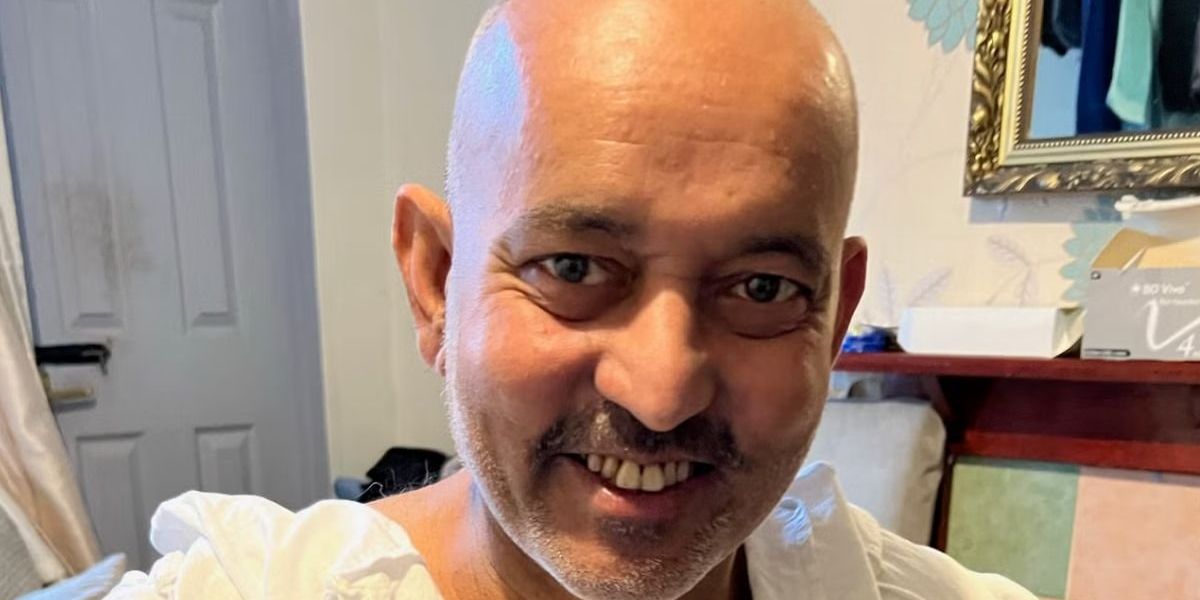
Anhar Miah died of bowel cancer in February 2023 at the age of 62 - just days after his birthday and only nine months after starting chemotherapy.
The 32-year-old is adamant the outcome would have been different for her father with earlier testing.
He'd been raising stomach complaints with his GP since January 2-21, including alternating diarrhoea and constipation along with stomach pain.
But each time he was handed laxatives rather than being referred for further investigation, and for years before that his stomach troubles had simply been put down to a diet.
His symptoms, namely bowel habit changes, blood in stool, pain, bloating and unexplained weight loss, line up closely with the health service’s list of bowel cancer warning signs.
By December 2021, Allen was shocked by how much her father’s health had deteriorated; his appearance was now gaunt and exhausted.
Matters escalated further when he became irresponsible during a nap, and she found him vomiting blood.
An ambulance took them into A&E, but he was once again discharged with nothing but laxatives.
After insisting on a second opinion, a doctor ordered an X-ray and CT scan, which found Allen’s father.
She brought up the possibility of cancer to the doctors, only to be told it was unlikely. They still ran further tests; the results came through in February 2022, revealing stage four cancer, metastatic, inoperable, incurable.
The chemotherapy began in May of that same year, proving gruelling from the offset, with fortnightly nine-hour hospital sessions followed by 48 hours continuing via a port at home.
The treatment was punctuated by repeated infections and a bout of grade-three sepsis that nearly killed him, plus bowel obstructions and mouth ulcers that stopped him from eating and drinking.
By Allen’s account, he could barely manage two weeks at home without hospital readmission.
But looking back, she is reassured that the illness didn’t stretch on for years the way his doctors had projected.
Since her father’s death, Allen has taken up a role in campaigning for earlier bowel cancer detection.
She has spoken about her father’s reluctance to discuss his symptoms over humiliation - a stigma she hopes to one day dismantle.
By spreading awareness, Allen hopes more people get their symptoms checked rather than wait until a crisis forces the issue.