Health chiefs are urging travellers to take precautions over food and hygiene this summer
Britons returning from Mexico are driving a sharp rise in cases of parasitic infection that causes explosive diarrhoea, the UK Health Security Agency has warned.
Health chiefs are urging travellers to take precautions over food and water hygiene after 67 cases of cyclosporiasis were reported in travellers returning between April 30 and July 15 this year, of which 48 had recently been to Mexico.
Travellers who had visited the country reported staying at hotels scattered across the Riviera Maya and Cancún regions.
Many had consumed food and drink as part of all-inclusive packages, the UKHSA confirmed, adding that investigations into the source of the outbreak are ongoing.
Cases are expected to climb over the summer as travel to Mexico increases, alongside a possible rise linked to a separate outbreak currently underway in the United States - where more than 180,000 individuals are thought to be affected.
The Agency is liaising with Mexican public health authorities and the National Travel Health Networks to ensure appropriate advice is in place for UK travellers.
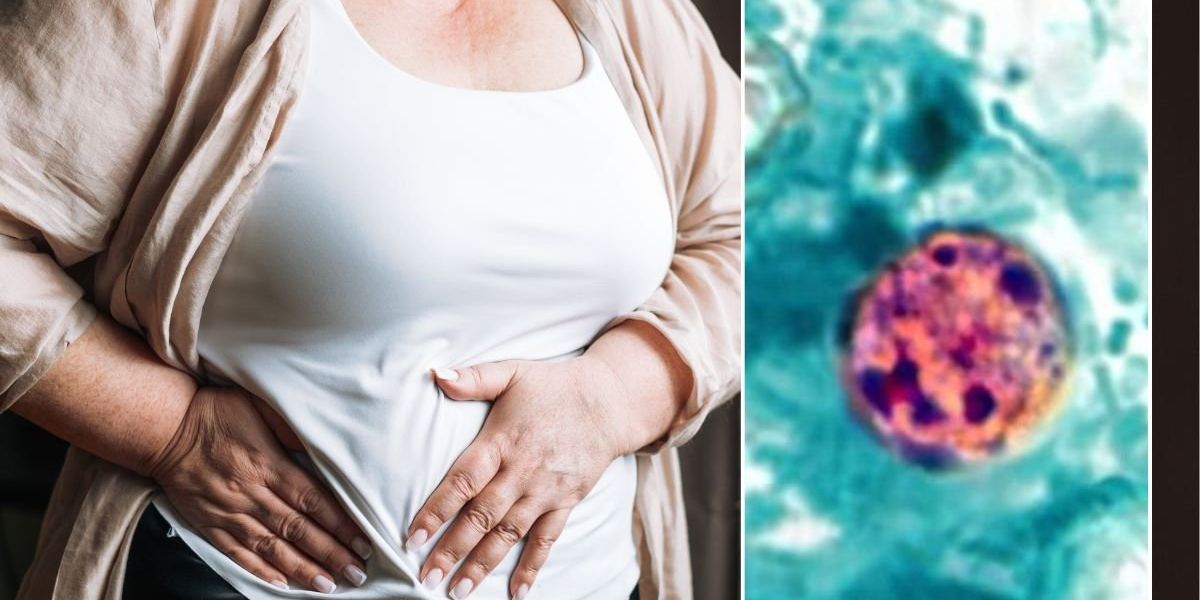
What is Cyclospora?
The parasite Cyclospora is typically spread through contaminated food, particularly herbs, salad leaves and soft fruit.
It does not occur naturally in the United Kingdom and cannot be passed from person to person.
One of the key characteristics of infection is explosive, watery diarrhoea, along with abdominal cramping, bloating, nausea, flatulence and loss of appetite.
While most cases are mild and clear up within a few days without treatment, the infection can be more serious or prolonged in immunocompromised individuals, who may need antibiotics.
A consultant in travel health at the UKHSA, Dr Philip Veal, said travellers to Mexico and other affected regions should take standard precautions regardless of where they are staying.
“Following food and water hygiene measures, including drinking bottled water and eating thoroughly cooked food, even when staying in high-end all-inclusive resorts" can reduce the risk, he said.
It was also noted that travellers should avoid “fresh uncooked berries and herbs, unpeeled fruit and salad items”.
Anyone who develops symptoms after returning from abroad has been advised to seek medical attention and inform their GP of recent travel history.