



A leading pharmacist has described the current run of NHS medicine shortages as the worst he’s seen in his entire career, as health bodies warn supply problems affecting painkillers, epilepsy treatments and HRT have reached record levels.
“Medicine shortages are not new, but the scale, frequency and duration of shortages we’ve seen over the past few years are unlike anything I’ve experienced in my career as a pharmacist," Abbas Kanani, MRPharmS, a superintendent pharmacist, told GB News.
While the disruptions once tended to be limited to a small handful of products for short periods of time, the situation has now changed.
“We’re seeing shortages impact a much wider range of treatments simultaneously, with some disruptions lasting for months rather than weeks," Kanani added.
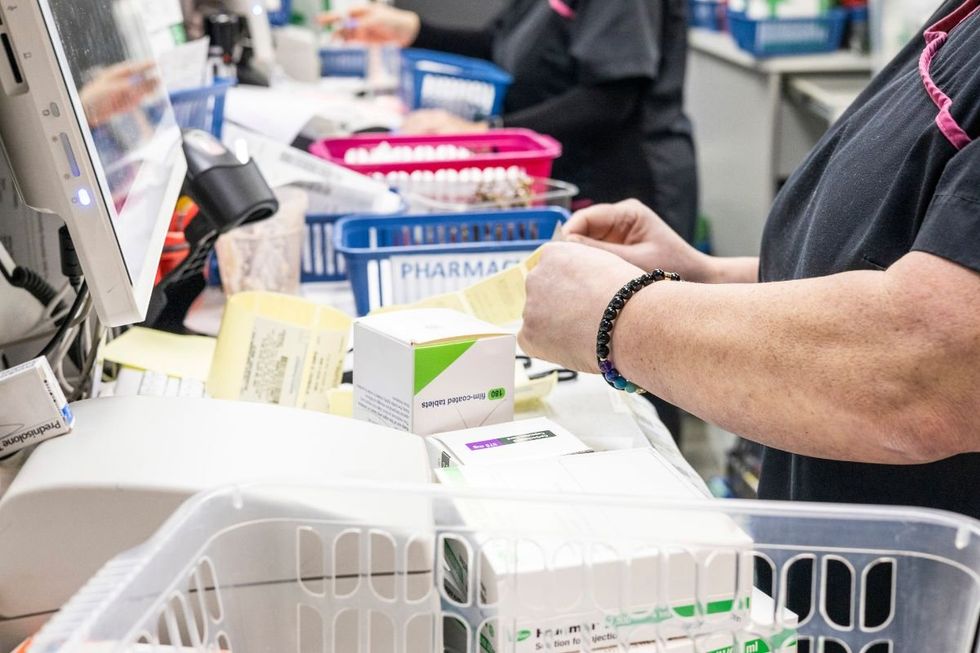
Some Britons are skipping doses to stretch supplies
|GETTY
“This places significant pressure on pharmacists, prescribers and most importantly, patients who rely on these medicines every day.”
The medicines causing the most concern, according to the pharmacist, are those used for chronic or serious conditions, where even minor disruptions to treatment could have a direct effect on a patient’s health.
Mr Kanani also cautioned against relying too much on reassurances that most medicines remain in good supply.
“If the specific medicine you need to manage your condition is unavailable, it doesn’t matter that thousands of other medicines are in good supply.
LATEST DEVELOPMENTS
Perhaps the most worrying factor is that some patients are now delaying prescription requests, skipping doses or quietly cutting their own dosage without medical guidance in a bid to stretch supplies.
While Mr Kannan said the response was understandable, it remains dangerous. His advice to anyone struggling to access their medication is to contact their pharmacist or prescriber promptly so safe alternatives can be considered.
These concerns echoed warnings previously raised by the National Pharmacy Association (NPA), which said drug shortages pose a “serious risk to patients' safety”.
Two medications which have come to symbolise how entrenched the crisis has become are Estradot – an HRT treatment – and Creon, used by pancreatic cancer patients to digest food properly.
Emergency measures known as serious shortage protocols (SSPs), introduced by the Department of Health to manage short-term supply gaps, have been put in place for the two drugs for 18 months and two years, respectively – marking a new record for the NHS.
But pharmacies are also reporting similar difficulties sourcing other widely used drugs like the blood pressure medicine Ramipril and painkillers, such as low-dose aspirin and co-codamol.
The NPA points to conflict in the Middle East as a major contributing factor to volatility in supply chains, yet stresses it isn’t the only cause.
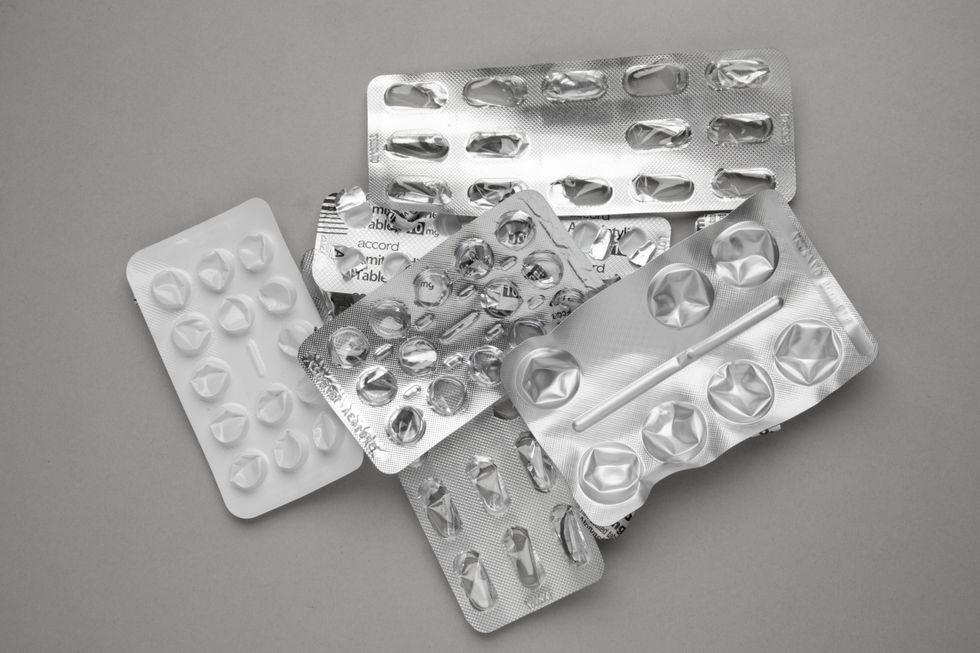
Supplies of HRT drugs and painkillers have been heavily impacted
|GETTY
Responding to the concerns, a Department of Health and Social Care spokesman said the “overwhelming majority” of medicines licensed in the UK remain in good supply and that patients should expect their prescriptions to be available when they visit a pharmacy.
The spokesman added that the Government is investing significantly in UK medicine manufacturing to strengthen supply chains.
Our Standards: The GB News Editorial Charter