Thank you for subscribing!
A small early study has suggested that tomatoes may play a role in reducing liver fat
A small clinical trial has found that consuming raw tomatoes and tomato sauce each day over six weeks led to a meaningful reduction in liver fat among adults diagnosed with metabolic dysfunction-associated steatotic liver disease (MASLD).
The study, which randomised 79 participants, reported that those following a tomato-rich diet experienced a significantly greater decline in hepatic fat compared with a control group that avoided tomatoes entirely.
Notably, the improvement appeared to occur independently of any shifts in body weight or overall body composition. However, the trial's modest sample size warrants caution when interpreting the results.
Participants had a median age of roughly 58, with approximately 70 per cent being male, and all had a BMI below 30.
Forty-two were assigned to eat 200g of raw tomatoes alongside 50g of tomato sauce daily, while 37 followed a diet entirely free of tomatoes.
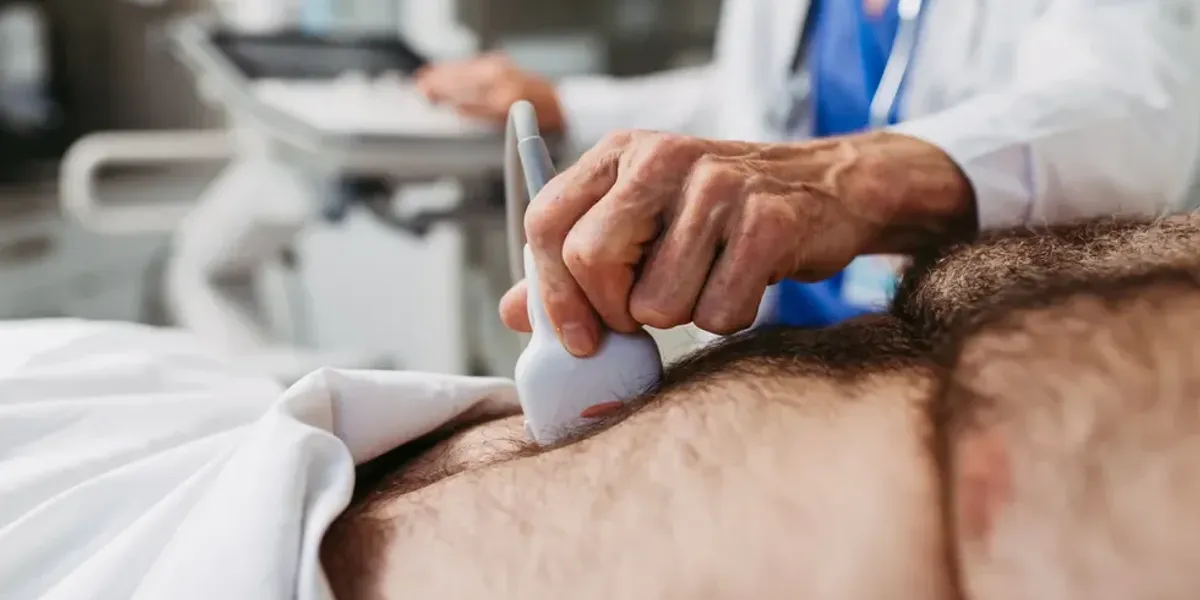
Liver fat was assessed using the FibroScan-based controlled attenuation parameter (CAP) both before and after the intervention.
Both groups saw a fall in CAP scores, but the tomato group recorded a notably larger median decrease of 35.00 dB/m compared with 18.00 dB/m in the control arm.
This difference remained statistically significant even after adjustments for age, sex, and BMI.
The trial's authors acknowledged several constraints. It was conducted at a single centre, ran for only six weeks, and involved a relatively small cohort.
Because all participants had a BMI below 30, the findings may not apply to those with obesity — the group that constitutes the majority of MASLD cases encountered in clinical practice.
What's more, adherence to the dietary protocol was self-reported rather than independently verified.
The researchers also did not measure circulating levels of lycopene or other carotenoids, meaning the biological mechanism driving the observed reduction in hepatic fat remains uncertain.