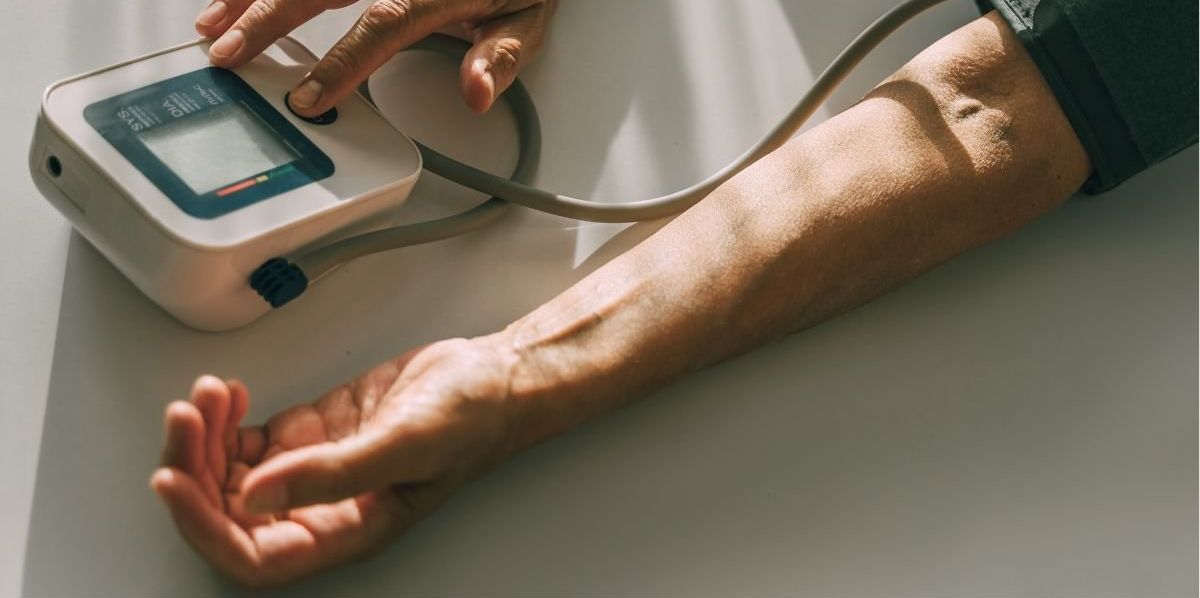
A major UK study has suggested the younger a woman goes through menopause, the greater her risk of high blood pressure later in life
Women who undergo menopause at an unusually young age face a significantly elevated risk of developing high blood pressure in later life, according to a substantial new study drawing on UK Biobank data.
The research, which appeared online on Tuesday in the journal Menopause, tracked hundreds of thousands of volunteers across Britain over more than a decade.
Its central finding is striking: the link between early menopause and hypertension was strongest among those who reached menopause before the age of 40.
The greatest risk was concentrated among women whose menopause occurred between the ages of 25 and 35 — a result that challenges conventional thresholds for defining premature menopause.
The authors argue that the age at which menopause begins should be recognised as a meaningful cardiovascular risk factor.
Participants were postmenopausal women aged 40 and above with no existing diagnosis of hypertension, enrolled between 2006 and 2010.
Researchers gathered extensive data on lifestyle factors such as smoking, alcohol consumption, and physical activity, alongside medical histories and laboratory results.
Women were grouped into three categories: normal menopause onset after 45, early menopause between 40 and 45, and premature menopause before 40.
The study also differentiated between natural and surgical menopause, the latter involving removal of both ovaries.
A clear pattern emerged over the follow-up period: the younger a woman was at menopause, the more likely she was to develop hypertension.
Notably, surgical menopause initially appeared to carry higher rates of raised blood pressure, but this association vanished once other health and lifestyle variables were taken into account — suggesting that surgically induced loss of ovarian function does not independently drive hypertension risk.
Dr Heather Hirsch, a menopause specialist and author of The Perimenopause Survival Guide who was not involved in the research, attributes the heightened risk to the loss of oestrogen's protective cardiovascular effects.
"We have known for nearly a century that oestrogen has important, direct effects on the cardiovascular system," she said.
"Oestrogen supports the production of nitric oxide, which helps blood vessels relax and dilate."
Oestrogen additionally helps maintain the suppleness of arteries and may guard against premature vascular stiffening, according to Dr Hirsch.
"When a woman loses ovarian oestrogen earlier than expected, she loses these cardiovascular effects years or even decades before she otherwise would have," she explained.
Beyond these direct mechanisms, Dr Hirsch pointed to indirect consequences including disrupted sleep, shifts in body composition, weight gain, deteriorating insulin sensitivity, and rising blood sugar — all of which compound cardiovascular risk.
Dr Hirsch stressed that for women experiencing premature menopause, hormone replacement therapy goes beyond mere symptom management.
"In this population, we are not simply treating menopausal symptoms; we are replacing a hormone the body was expected to continue producing in order to help protect cardiovascular, skeletal, and overall long-term health," she said.
The study also reinforced established hypertension risk factors, including obesity, smoking, poor dietary habits, and pre-existing conditions such as diabetes or heart disease.
Women affected by early menopause are urged to address these factors proactively alongside their clinicians.
Adequate sleep, regular exercise, a balanced diet, adherence to prescribed medications, and routine blood pressure monitoring all form part of a broader strategy for safeguarding long-term cardiovascular health in this population.