While genetics play a role in longevity, lifestyle changes may help reduce biological age
Longevity has dramatically increased over the past century owing to significant scientific advances.
In a promising development, recent findings published in Nature suggest that lifestyle may be up to 10 times more important than genetics in determining life expectancy.
Those seeking longevity are generally advised to incorporate as many whole foods as possible into their diet.
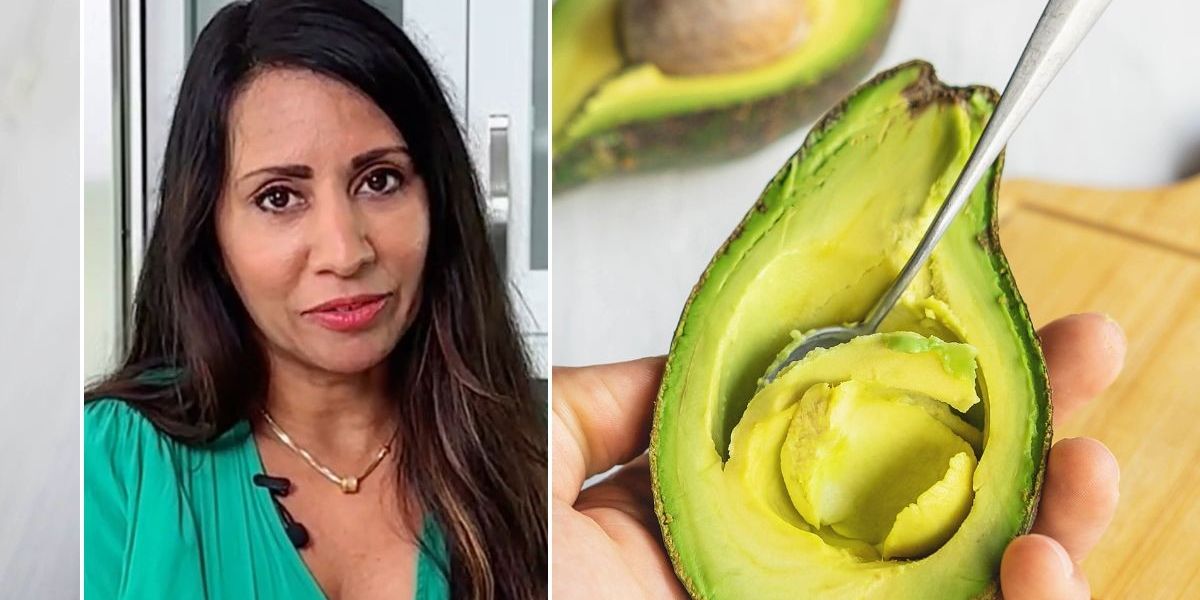
But Dr Taz Bhatia, a board-certified physician and holistic doctor in Atlanta, recently listed eight specific dietary habits that could have long-term benefits.
In a TikTok post, the doctor claimed that the longevity superfoods can help with "ageing backwards".
She added: “What you eat plays a huge role in cellular health, skin elasticity, and longevity."
Dr Bathia's list included instructions on how often to consume the foods for optimal effects.
Not only do dietary habits like these reduce the risk of developing serious conditions like type 2 diabetes, but they also support bone health.
Another doctor recently told GB News that patients who live the longest primarily consume natural foods.
"The patients I see that have lived the longest eat primarily natural foods: lots of fruits, lots of vegetables, dairy, meat and fish," explained the medical doctor from The Herbal Doctors.
"But the key here is the lack of refined, processed foods and snacking - very little snacking and very little processed foods."
Founder of Oxford Healthspan Leslie Kenny also told GB News how she achieved the remarkable feat of reversing her biological age while tackling autoimmune conditions, all through a “longevity lifestyle”.
Although Leslie will soon turn 60, biological tests suggest her body is that of a 21-year-old.
She explained that through autophagy, she successfully addressed several of her health concerns and reversed her biological age in the process.