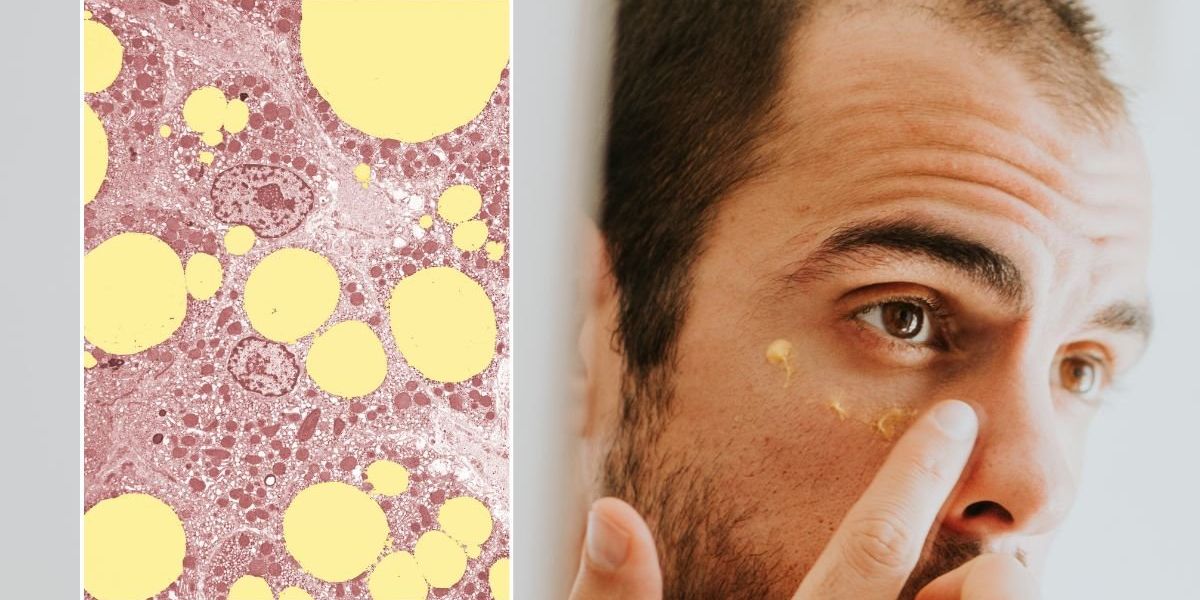
The eyes may hold the earliest clues to a common but often silent disease
A prominent eye surgeon has cautioned that millions of people across Britain could be harbouring the early stages of liver disease without realising it, with telltale signs visible in their own eyes.
Mr Allon Barsam, a consultant eye surgeon and founding partner of OCL Vision, has warned that the eyes frequently reveal liver trouble well before conventional symptoms such as fatigue, nausea or abdominal discomfort emerge.
In many cases, these ocular indicators can even precede detection through blood tests.
The condition, which often progresses in silence, can be identified far earlier through careful observation of changes to the eyes, Mr Barsam said.
The most recognisable warning sign is jaundice — a yellow discolouration of the whites of the eyes that occurs when a faltering liver fails to remove the waste product bilirubin from the bloodstream.
"The eyes are one of the few places on the body where we can actually see what is happening inside," Mr Barsam explained.
"A yellow tinge to the whites of the eyes is one of the earliest visible clues that the liver may be in trouble, and it's something people dismiss far too easily."
Beyond jaundice, soft yellowish fatty deposits on or near the eyelids — medically termed xanthelasma — may signal chronic liver conditions that impair the body's ability to process fats.
An inherited liver disorder involving copper accumulation can also produce subtle brownish-gold rings encircling the iris.
Some patients additionally experience persistent dryness, grittiness or irritation of the eyes, symptoms that can be associated with autoimmune variants of liver disease.
Mr Barsam stressed that none of these signs should be brushed aside. "If you notice yellowing, unusual deposits on the eyelids or persistent dryness, please do not wait," he urged.
He warned that delaying action risks squandering valuable time. "By the time serious liver damage shows up elsewhere, precious time may already have been lost. Catching these signs early can make an enormous difference."
The surgeon's message is clear: early identification of these ocular clues could prove the difference between effective treatment and irreversible harm.
Liver disease ranks among the most significant causes of death in the United Kingdom, with more than 85,000 hospital admissions recorded annually in England alone.
A substantial proportion of this damage is preventable and medical professionals emphasise that early detection offers patients the strongest prospect of successful treatment.
Mr Barsam urged anyone who notices changes to their eyes to consult their GP or optician without delay, rather than hoping the issue will resolve on its own.
"An eye test is about far more than checking your vision," he said. "Sometimes it can be the first step to catching a life-threatening illness in time."