The supplement has been shown to reduce knee pain, heighten grip strength and diminish pain sensitivity
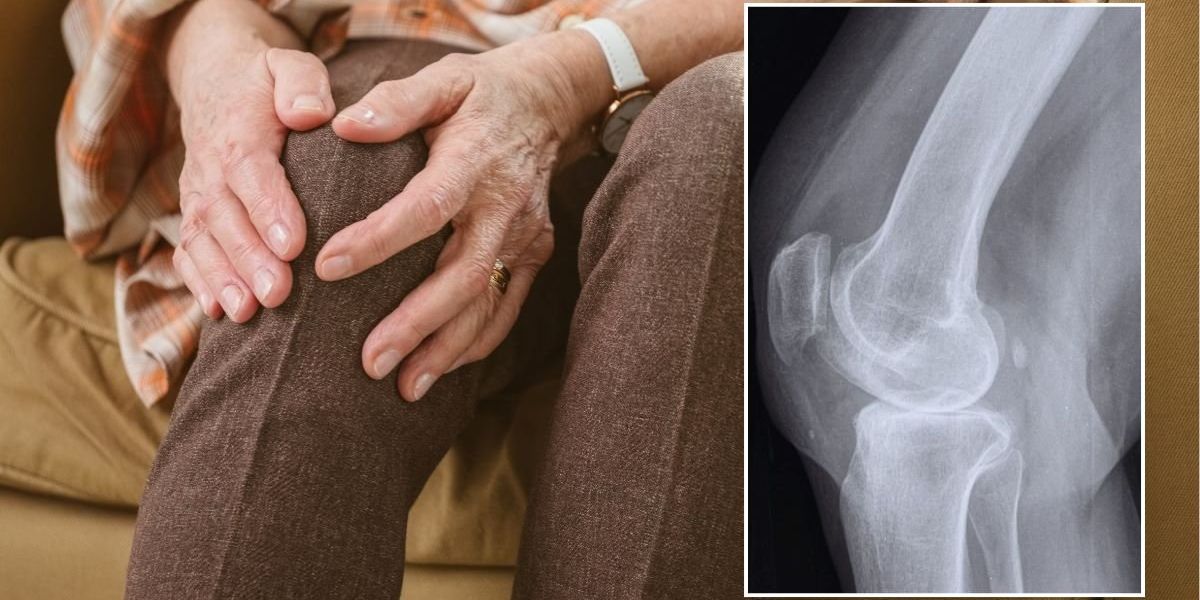
A daily dose of prebiotic fibre can meaningfully ease knee pain and bolster physical function in people living with osteoarthritis, according to a clinical trial conducted at the University of Nottingham.
The study, published this year in the journal Nutrients, showed that participants who consumed 20 grammes of inulin each day for six weeks reported notable symptom improvements.
Inulin is a naturally occurring fibre present in chicory root, onions, garlic and asparagus.
While the findings offer genuine encouragement, specialists have cautioned that such supplements ought to accompany — rather than replace — established treatments including exercise, weight management and prescribed therapies.
The trial recruited adults with knee osteoarthritis and randomly assigned them to one of four groups: inulin alone, digital physiotherapy alone, a combination of both, or a placebo. Each intervention lasted six weeks.
Those receiving inulin demonstrated reduced knee pain, heightened grip strength, diminished pain sensitivity and improved overall physical function compared with the placebo group.
Researchers believe these gains may stem from shifts in the gut microbiome alongside an increase in gut hormones that influence inflammation and the perception of pain.
The investigators acknowledged, however, that larger and more prolonged trials are necessary to confirm these preliminary results.
Inulin belongs to a class of dietary fibres known as prebiotics — substances the body does not digest but which nourish beneficial bacteria residing in the gut. Beyond chicory root, it occurs naturally in Jerusalem artichokes, leeks and bananas.
According to the National Institutes of Health, dietary fibre supports digestive health and may benefit broader metabolic function.
A growing body of evidence suggests the gut microbiome plays a role in systemic inflammation, including within the joints.
Earlier research has also linked inulin to improved bowel regularity, enhanced calcium absorption, better blood sugar management and greater feelings of fullness that may assist weight control. These effects, however, vary between individuals.
Health authorities remain clear that osteoarthritis is best managed through a combination of regular physical activity, maintaining a healthy weight and appropriate pain relief.
The Mayo Clinic similarly emphasises medication where needed, physiotherapy and lifestyle modifications to preserve joint function and quality of life.
Supplements may offer additional benefit for some patients, but they are not a substitute for proven interventions.
The Nottingham findings, whilst promising, represent an early step.
Until more extensive and longer-duration studies corroborate these results, inulin should be regarded as a potential complement to conventional care rather than a standalone remedy.