Thank you for subscribing!
Researchers tracking more than half a million older adults found those who'd had the Shingrix jab were significantly less likely to develop dementia within four years
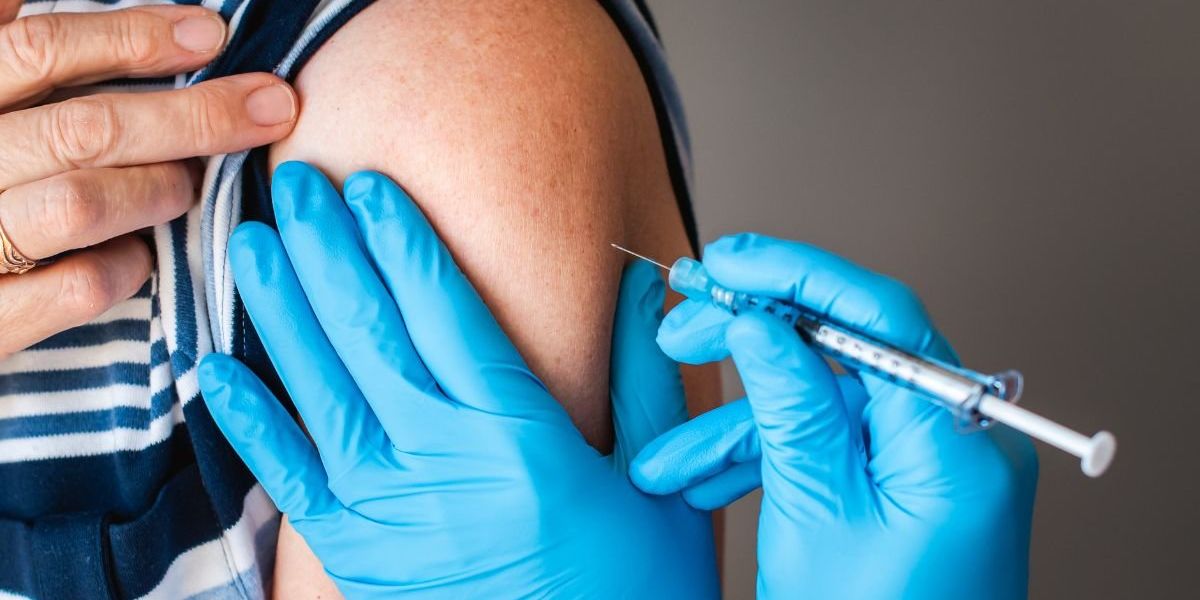
The Shingrix shingles vaccine is associated with a 24 per cent reduction in dementia risk among older adults, providing further evidence that immunisation may serve as a shield for the brain, according to a new study from Brown University.
Research published yesterday in the Annals of Internal Medicine examined more than half a million individuals residing in skilled nursing facilities across the United States.
Scientists saw that over a four-year follow-up period, those who had received at least one dose of the recombinant vaccine were significantly less likely to develop dementia than their unvaccinated counterparts.
Perhaps most strikingly, the investigators estimated that roughly one case of dementia could be averted for every 17 people given the jab - a figure that could carry significant implications for public health policy.
The study drew on Medicare claims and electronic health records from 509,926 adults aged 66 and over, all admitted to more than 5,500 skilled nursing facilities between 2017 and 2022.
Of that total, a mere 8,843 had received the shingles vaccine. None of the participants had a prior dementia diagnosis.
Researchers employed a method known as target trial emulation, which replicates the conditions of a randomised clinical trial where conducting one would be impractical.
Among vaccinated individuals, 18.8 per cent went on to develop dementia, compared with 24.6 per cent of those who remained unvaccinated.
Shingrix, manufactured by GlaxoSmithKline, entered the market in 2017 and remains the sole shingles vaccine currently available.
The study was led by Kaley Hayes, an assistant professor at Brown University's School of Public Health and associate director of pharmacoepidemiology at the university's Centre for Gerontology and Healthcare Research.
"A lot of previous studies with similar results focused on an older vaccine," Hayes said.
"This study looks at the newest vaccine only in an older, vulnerable adult population who were not up to date with shingles vaccination and are at a very clear clinical point in care: entering a skilled nursing facility."
The findings align with earlier research involving a predecessor vaccine that similarly identified a link between shingles immunisation and lower dementia rates.
"It fits into this large puzzle that's just starting to come together that the vaccines are effective at preventing shingles and also appear to have neuroprotective benefits as well," Hayes added.
Collaborators from the University of Delaware, the Providence Veterans Affairs Medical Centre and other institutions contributed to the research.
It is worth noting, however, that the study cannot definitively establish a causal relationship between the vaccine and reduced dementia risk.
Vaccinated participants tended to be somewhat younger and in better overall health than those who did not receive the jab — factors that could independently lower the likelihood of cognitive decline.
The researchers accounted for these differences in their analysis but acknowledged they could not entirely rule out their influence.
"Our cognition is so tied to our overall health and what happens to us physically," Hayes said. "It's really amazing to see that something that's supposed to prevent a physical ailment can also help keep our brain healthy, too."
Further clinical trials will be required to determine whether the vaccine directly prevents dementia.