Just a third of a cup a day is enough to deliver noticeable improvements
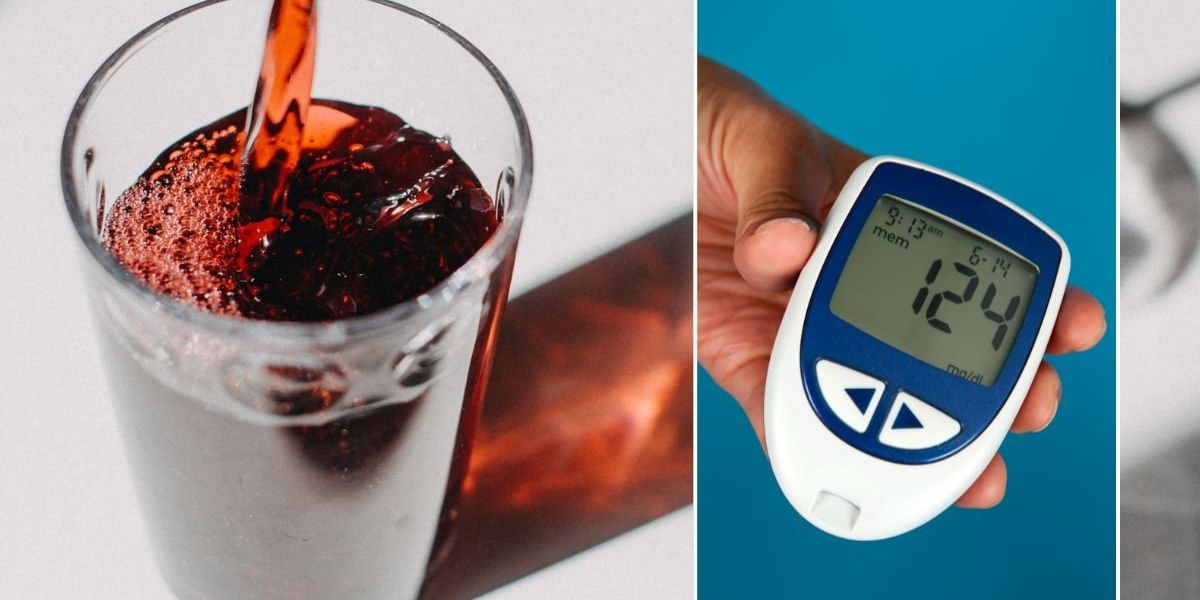
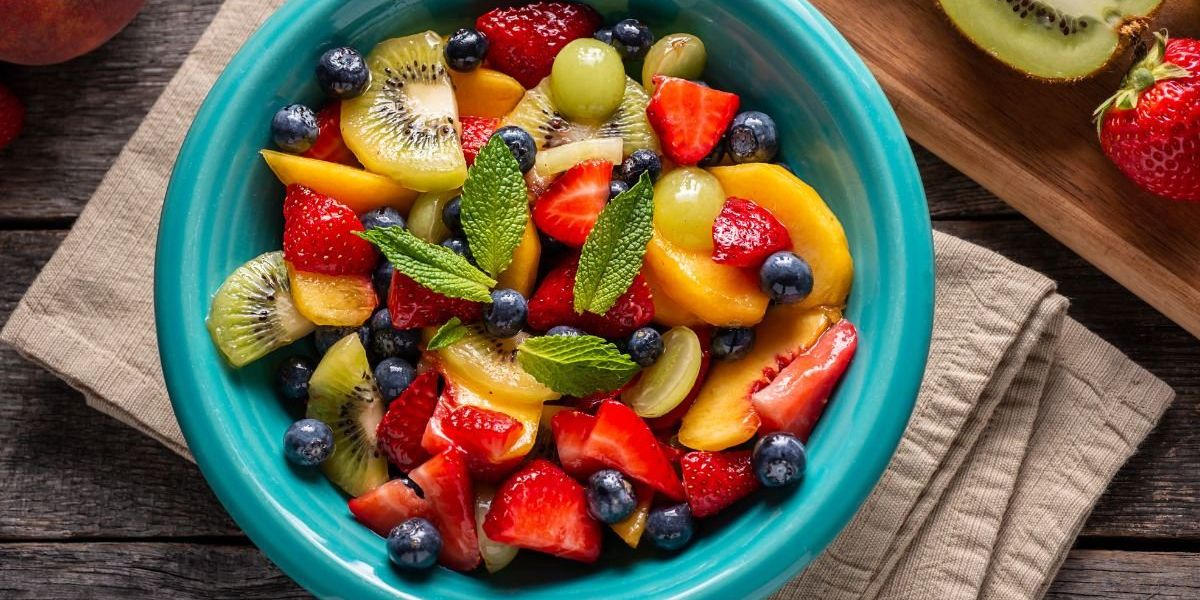
A daily handful of blueberries may significantly reduce the risk of developing type 2 diabetes, according to a new analysis spanning almost eight decades, with knock-on benefits for the heart too.
Research led by scientists at Tufts Medical Center in Boston and published in the American Journal of Clinical Nutrition uncovered the link while studying the effects of anthocyanins – the pigments responsible for the deep-purple colour of blueberries and other dark fruit – on cardiometabolic health.
Combining findings from 18 prospective cohort studies, the research drew primarily on dietary records from more than 360,000 healthy individuals.
Those with higher anthocyanin intake showed an 11 per cent lower risk of type 2 diabetes than those who consumed little of the compound, pointing to the meaningful role of dieting in diabetes prevention.
They also discovered broader cardiometabolic benefits associated with higher anthocyanin consumption.
This included a 26 per cent lower incidence of cardiovascular disease, an 18 per cent reduction in heart attack risk, a nine per cent lower risk of dying from cardiovascular disease, and an eight per cent lower risk of developing hypertension.
To understand how the compound may influence the risk of diabetes specifically, the scientists reviewed 65 trials examining short- and long-term physiological responses.
The findings pointed to reductions in fasting insulin levels among participants, suggesting anthocyanins may support healthy glucose regulation, which is key in preventing type 2 diabetes.
Daily consumption of as little as 50 mg was also linked to significant improvements in flow-mediated dilation, indicating how effectively blood vessels widen - a key marker of vascular health.
Professor Aedín Cassidy, co-director of the Co-Centre for Sustainable Food Systems at Queen’s University Belfast and one of the study’s authors, said the findings point to “clinically relevant improvements in blood flow, elasticity of the arteries and insulin levels”.
A standard cup serving of blueberries packs approximately 150mg of anthocyanins, meaning just a third of a cup would be enough to meet the threshold associated with the benefits found in the trial.
It was noted that while the data cannot prove a direct cause-and-effect relationship, the consistency between population-level findings and clinical trial results strengthens the case for anthocyanin-rich foods playing a preventive role in type 2 diabetes.
Don't like blueberries? Here are five other foods rich in anthocyanins:
Blackberries
As a rule of thumb, the darker the fruit, the higher its anthocyanin content, and blackberries make a good example, with some varieties containing roughly 100 to 130mg of the antioxidant per 100g.
Blackcurrant
The dark berry contains between 113 and 158 mg of anthocyanins, pushing it ahead of blueberries.
Cherries
Also an excellent source of vitamin C and fibre, some studies have shown cherries contain roughly 168mg of anthocyanins per 100g.