


UK businesses could be at risk after "Made in Europe" plans put Britain on the back foot for the first time, impacting thousands of jobs nationwide.
According to a new report by the Society of Motor Manufacturers and Traders, the new ruling by the European Commission could put investment, jobs and production of the vital car sector at risk.
The Made in Europe proposals, alongside tougher rules of origin for automakers coming in next year, will soon hit carmakers with new tariffs.
From January 2027, the EU-UK Trade and Cooperation Agreement will result in a 10 per cent tariff on roughly 70 per cent of battery electric and plug-in hybrid models traded across the Channel.
The plans would also shut out UK automotive products, with four out of five (83.3 per cent) businesses warning their UK operations would suffer as a result.
The report also found more than half (56.8 per cent) of surveyed businesses wanted the UK to be integrated under the Made in Europe scheme, with a third (32.4 per cent) seeking an EU trading reset, such as a stronger economic partnership.
The SMMT warned that without a joint solution, the sector could be slapped with a tariff bill of around £1.4billion in 2027, putting roughly £16.4billion of UK-EU battery electric and plug-in hybrid vehicle trade at risk by making many of these crucial models less competitive and less affordable.
On top of worries from Europe, the Zero Emission Vehicle mandate is also impacting car makers closer to home.
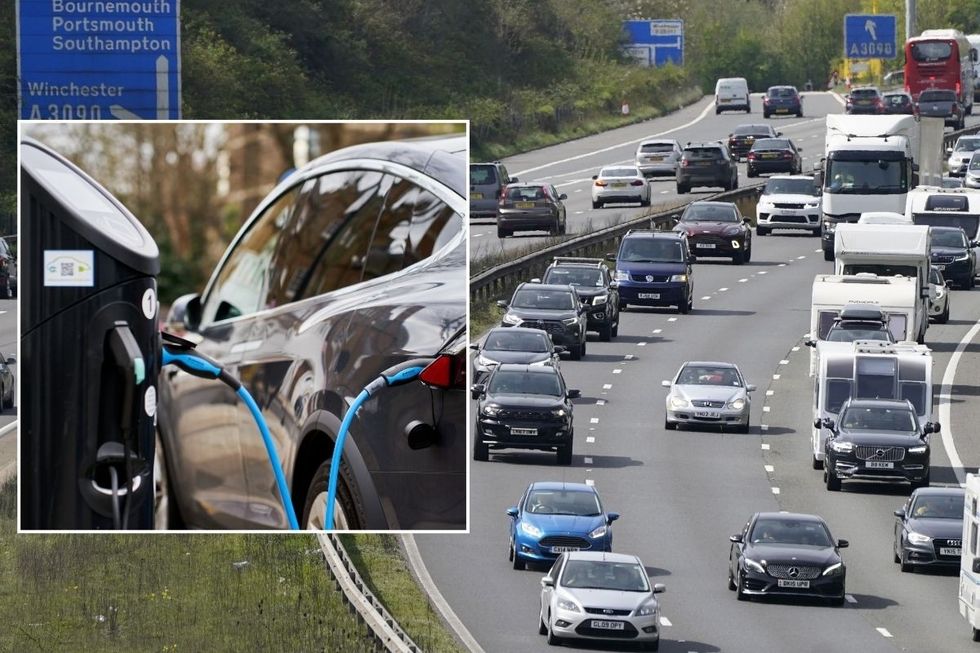 Experts have warned about the damage the ZEV mandate changes could cause to the UK sector | PA/GETTY
The plans, which require all new petrol and diesel car sales to be electric by 2030, with at least 33 per cent electric by that year, have been wavering.
Mike Hawes, SMMT chief executive, said, "UK Automotive can drive growth, innovation and net zero, but only if the right decisions are taken now. The Industrial Strategy sets out a plan, but delivery is now what matters.
"We need open trade with Europe, competitive conditions at home, and a realistic route to grow zero emission vehicle uptake."
He added that reforming the ZEV Mandate was not about weakening ambition, but about making the transition "achievable, protecting investment and ensuring the UK remains a place where automotive businesses can build, sell, export and grow".
LATEST DEVELOPMENTS
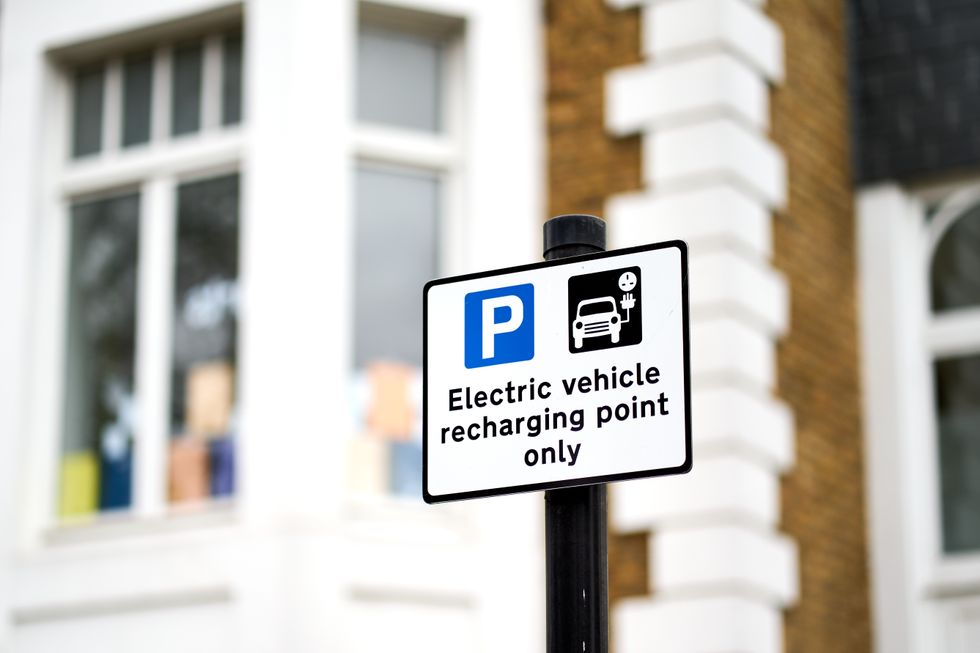 Experts have warned the EV infrastructure is not strong enough to support the ZEV mandate | PA
He warned that if the threat of a 'Made in Europe' plan goes ahead next year, this could impact investment opportunities in the UK, as well as ZEV momentum.
Stéphane Séjourné, Executive Vice-President for Prosperity and Industrial Strategy at the European Commission, said: "Facing unprecedented global uncertainty and unfair competition, European industry can count on the provisions of this Act to boost demand and guarantee resilient supply chains in strategic sectors.
"It will create jobs by directing taxpayers' money to European production, decreasing our dependencies and enhancing our economic security and sovereignty."
In a bid to improve the UK's progress on the ZEV mandate, the SMMT has called for an immediate review of the upcoming car ban in a bid to better align regulation with market reality.
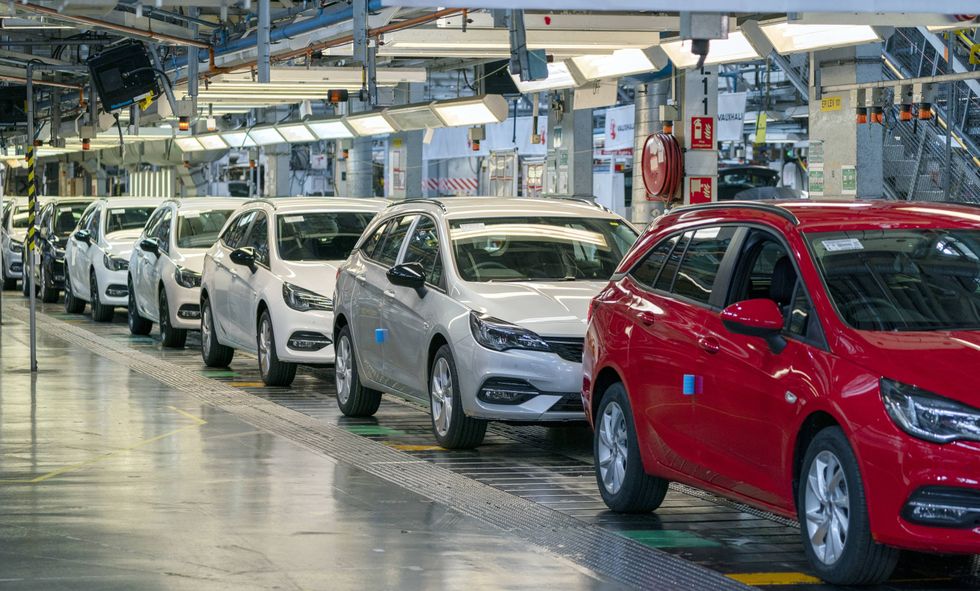 The ZEV mandate requires all new petrol and diesel car sales to be electric by 2030 | PA
Mr Hawes added: "The window for action is closing, which means we cannot wait for lengthy discussions."
Reacting to the report, Tanya Sinclair, CEO of Electric Vehicles UK (EVUK), acknowledged that the UK auto sector faced "real challenges", especially when it comes to trade and tariffs, but watering down the ZEV mandate is not the answer.
She said: "Manufacturers are complying with the mandate, and those that need flexibility already have it through the concessions Government has introduced.
“If Government wants to strengthen UK automotive, it should stop creating policy uncertainty and start backing the businesses investing in the transition. Certainty drives investment. Constant change holds it back.”