


The Royal National Institute of Blind People (RNIB) has warned that self-driving taxis must be designed with blind and partially sighted people in mind before they are introduced on Britain's roads.
The charity raised its concerns during a panel discussion in Parliament as driverless taxi trials are expected to begin on London's streets in the coming months.
The event, hosted by the All-Party Parliamentary Group for Self-Driving Vehicles, brought together MPs, industry leaders and campaign groups to discuss the future of autonomous transport.
The charity's Head of Policy, Mike Wordingham, said self-driving taxis could improve independence for people with sight loss, but only if safety and accessibility are built into the technology from the start.
He said: "Self-driving taxis could become a new transport option for blind and partially sighted people, but only if accessibility and safety are treated as essential from the very beginning.
"The first few metres and the last few metres of any journey matter just as much as the journey itself. People with sight loss need to be able to find the vehicle they have booked, get in and out safely, access support when they need it, and navigate the streets around them with confidence."
He also urged ministers and the industry to work directly with blind and partially sighted people before the technology becomes more widely available.
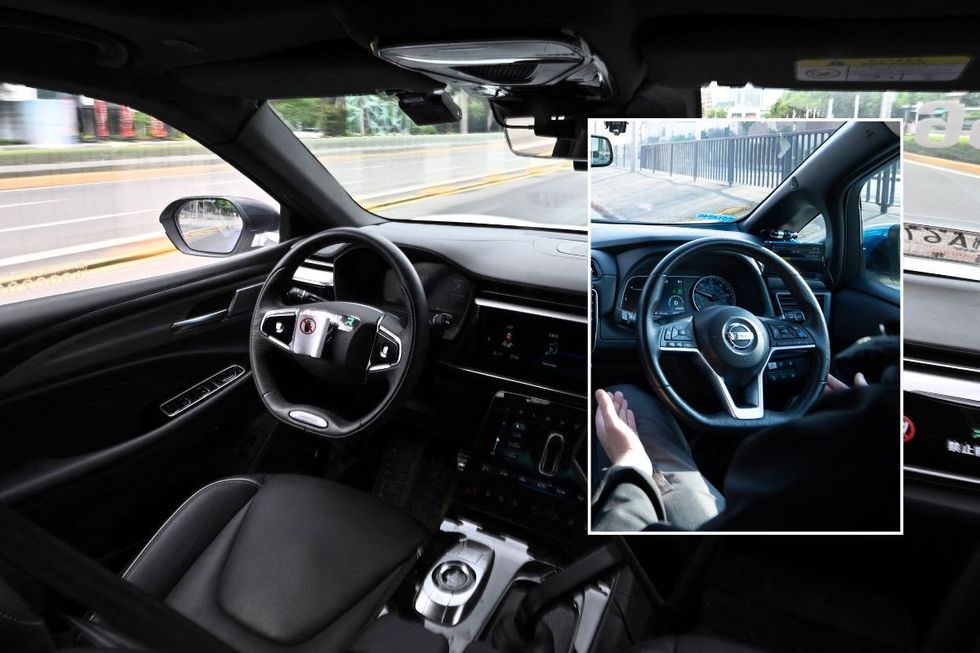 Drivers have called for more transparency and regulation of the self-driving tech | GETTY/PA
He said: "As public pilots move closer, it is vital that the Department for Transport and industry work directly with blind and partially sighted people to understand both the opportunities and the risks.
"If this technology is designed inclusively, it could open up new possibilities. If it is not, it risks creating new barriers on our streets and in our transport system."
Self-driving taxis can be booked through a smartphone app and complete journeys without a human driver. Similar services are already operating in parts of the US.
For many blind and partially sighted people, driving is not possible, and public transport can be unreliable or difficult to use. RNIB said autonomous taxis could offer greater freedom, but only if they are safe and easy to access.
LATEST DEVELOPMENTS
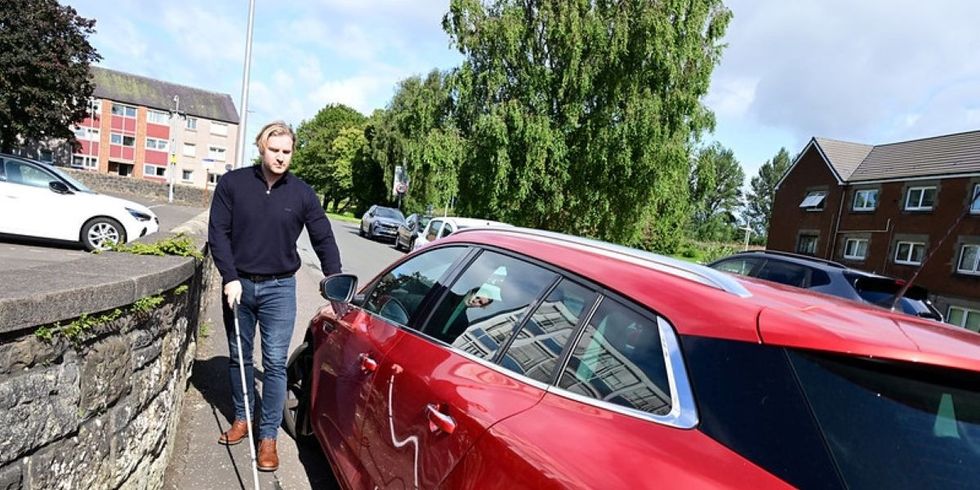
Self-driving cars have been urged to become more accessible to visually impaired users
| FALKIRK COUNCILThe charity has been surveying people with sight loss and found mixed opinions about the new technology. Some welcomed the idea of more flexible travel and said driverless taxis could end the problem of taxi drivers refusing to carry guide dogs.
One respondent said: "Autonomous taxis may help reduce the hassle of being refused access by a taxi driver when travelling with a guide dog."
However, others were worried that human taxi drivers could disappear altogether, removing the extra help they often provide.
The charity also warned about the impact autonomous vehicles could have on pedestrians. Because self-driving vehicles are often electric, they can be much quieter than traditional cars, making them harder for blind and partially sighted people to hear.
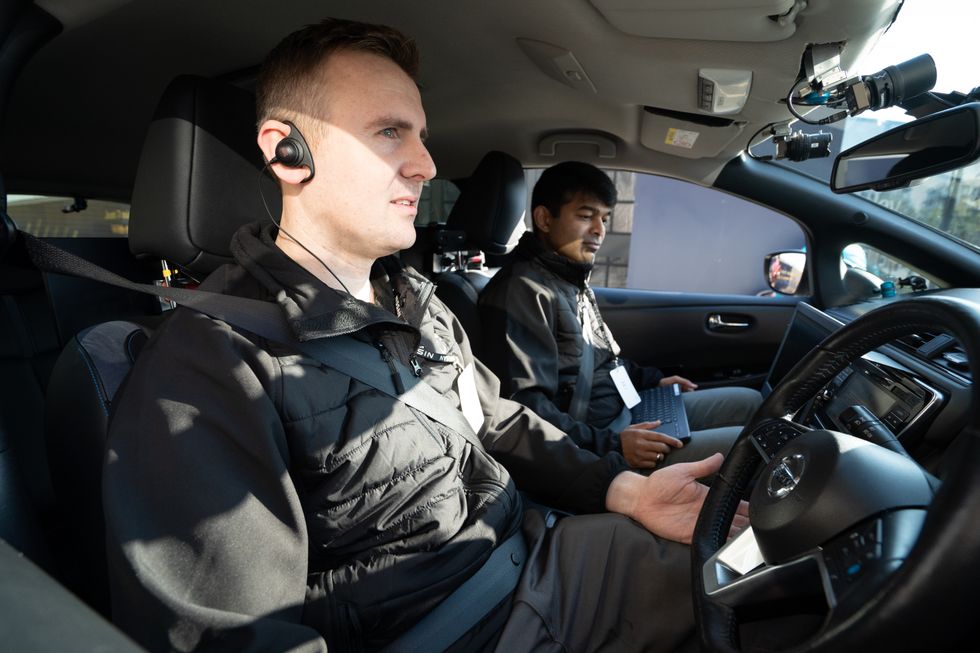
The self-driving sector could be worth £66billion in 2035
| PAThe charity explained the vehicles must be able to detect guide dogs, long canes and vulnerable pedestrians while safely navigating busy streets.
One survey participant said: "Blind and visually impaired people like my mother and I are already facing perilous danger on an almost daily basis, due to wheeled vehicles, bikes and e-scooters on the pavements... Unless there is a nationwide change to ensure our pavements are safe... I do not think there should be a rollout of any driverless vehicles."
RNIB said self-driving taxi operators must prove their vehicles can safely operate around vulnerable pedestrians before public trials begin.
The charity is continuing to work with the Government and the industry to ensure blind and partially sighted people help shape the technology before it becomes part of everyday life.