


Disabled Motoring UK has called for major improvements to electric vehicle chargers after a new report found revealed serious failings across England and Europe.
The charity has urged charge point operators, local authorities, vehicle manufacturers and policymakers to improve public charging by introducing wider accessible bays, lighter charging cables, simpler payment systems, better lighting and more on-site support.
The findings come after DMUK member and trustee Anjna Patel MBE and the charity's Marketing and Campaigns Manager Zoe Rush drove nearly 3,000 miles from Birmingham to Torrevieja, Spain, in a fully electric Volkswagen ID.4.
The pair reviewed 24 charging locations across the three countries, marking the first documented accessibility assessment of its kind.
The report found every charger presented barriers for disabled users, including heavy charging cables, confusing payment systems, inaccessible screens, bollards blocking access and a shortage of dedicated disabled charging bays.
It revealed that out of all 24 chargers charged at, none of them was fully accessible: "They all need improvements."
Researchers also found that only four charging sites had designated disabled bays, but even these failed to fully meet accessibility standards.
Ms Patel, who has lived with severe rheumatoid arthritis for more than 20 years, said the biggest challenge was the lack of consistency between charging stations.
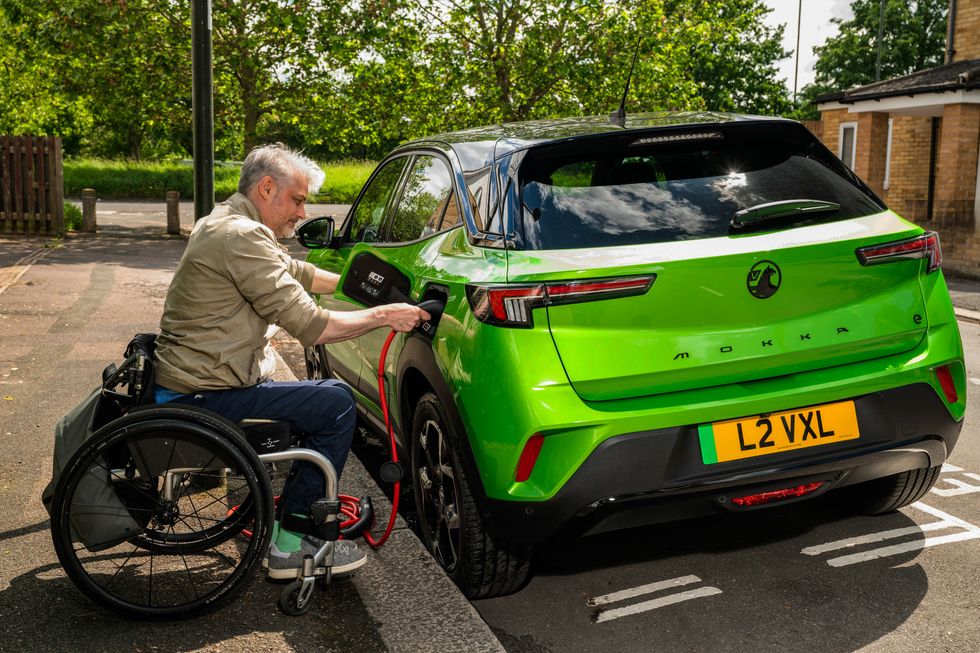
Disabled drivers could be left behind in the EV transition
| VAUXHALLThe report stated: "The issue which had the greatest effect on Anjna's confidence in independently driving an electric vehicle as a woman with a disability was the inconsistency and complexity of the charging infrastructure."
It revealed that payment systems, understanding how different chargers operated, the need to use both hands to connect charging cables, isolated charging locations, and limited availability of assistance all made long-distance EV travel more difficult.
Researchers also raised concerns about safety, noting that drivers can spend around 40 minutes waiting for their vehicles to charge, often at remote locations with little staff presence.
The report detailed: "The journey highlighted the potential risks that EV users may face when charging their vehicles, particularly when using an unfamiliar charging station."
LATEST DEVELOPMENTS
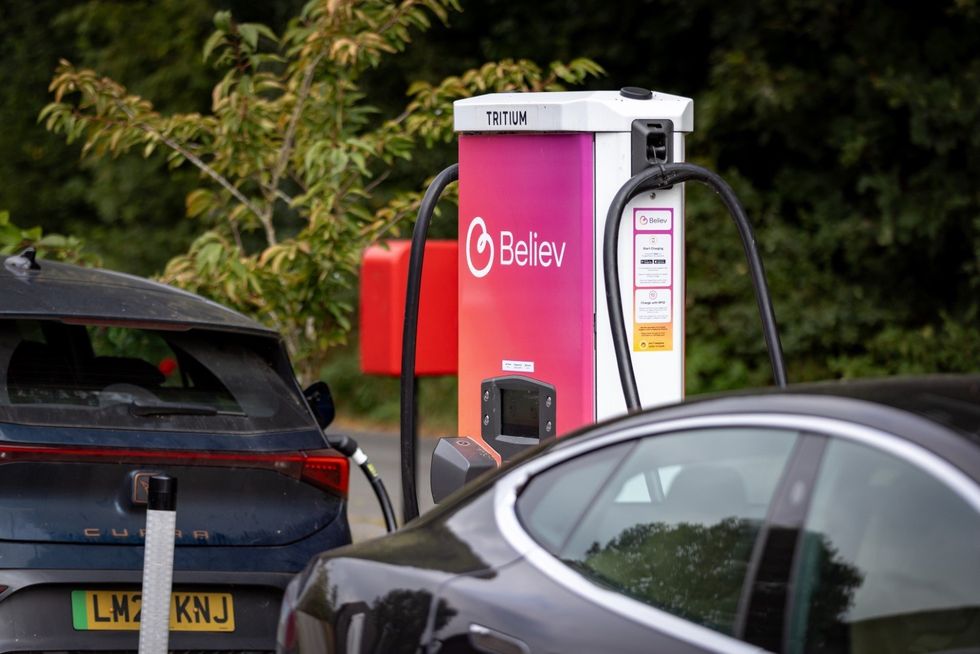 Believ warned the Government needs to remove existing infrastructure barriers to installing EV chargers | BELIEV
Despite identifying significant barriers, DMUK stressed that travelling long distances in an electric vehicle is possible.
The charity found there were plenty of chargers available across England, France and Spain, although Spain required more planning because drivers relied more heavily on apps to locate charging points and check whether they were working.
France was praised for its large number of motorway service stations offering clearly signposted charging facilities, giving drivers greater confidence on long journeys.
The study also compared the cost of travelling by electric vehicle with a previous petrol-powered journey.
 The lack of accessible charging solutions has caused more drivers to stick with petrol and diesel cars | KERBO CHARGE
Charging the electric car was estimated to cost around £491, compared with around £560 for petrol on the same trip, although researchers said the overall saving was relatively modest once charging times and other factors were taken into account.
The report also criticised aspects of the Volkswagen ID.4 used during the trial, saying the high charging port, large boot loading lip and touchscreen controls made the vehicle less accessible for disabled users.
DMUK has now urged manufacturers to place "greater emphasis on accessible and inclusive design during the development process" and is calling for public charging infrastructure to be designed with disabled motorists in mind from the outset.
Vicky Edmonds, Chief Executive Officer of EVA England, said: "The rapid rollout of public charging is welcome, but it is unacceptable that thousands of charge points are being installed while accessibility is still treated as optional."