


The concept of "range anxiety" has all but disappeared, based on new data, with petrol and diesel drivers now having a fear of forking out above the odds for fuel.
Near-record petrol and diesel prices have contributed to a growing number of drivers turning their backs on internal combustion engines in favour of electric cars.
The latest AA UK EV Readiness Index found that "range anxiety" is being replaced by "pump anxiety" as drivers try to avoid rocketing fuel prices.
Disruption to global oil markets has been identified as one of the key reasons for motorists wanting to make the transition to electric vehicles.
While petrol and diesel prices have soared by at least 20 per cent since the start of the Iran war, electric vehicle charging costs have remained relatively stable.
The EV Readiness Rating has jumped to 58.8, up from 53.8 in the first quarter of the year, as drivers gain more confidence in public and home charging.
Running costs have grown dramatically for petrol and diesel cars, with electric cars paying 67 per cent less per mile than petrol equivalents, compared to 57 per cent cheaper in Q1.
Edmund King, AA President, highlighted the results of the research, noting that "pump anxiety" was more of a concern than being able to charge an EV.

Experts have warned that 'range anxiety' for electric cars has been replaced by 'pump anxiety' for fuel prices
|GETTY/PA
He added: "For years, some drivers have been put off EVs by real or perceived range anxiety. But this latest Index suggests the bigger concern for many households is becoming pump anxiety.
"When global fuel prices rise sharply, drivers feel it immediately at the forecourt. EV drivers, particularly those with access to home charging, have been better insulated from that volatility."
As more drivers turn their attention to electric cars, motorists are increasingly looking at zero emission options on the second-hand market.
Searches for "used EVs" on AA cars spiked by an impressive 78 per cent between March and May, compared to the previous three months.
LATEST DEVELOPMENTS
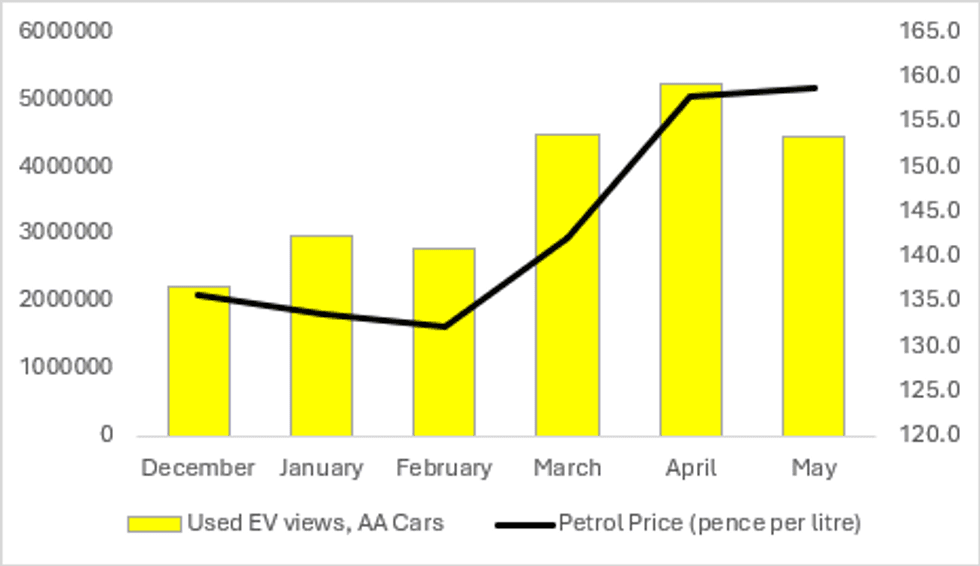
AA Cars has seen a huge spike in second-hand electric vehicle views as petrol prices soar
|AA CARS
Three of the most searched second-hand electric cars were the Nissan Leaf, Tesla Model 3 and the Kia Niro.
Despite this, the AA recognised that not every driver would be ready to make the switch to an electric car as upfront costs, charging concerns and policy uncertainty remain issues.
Many new electric vehicles remain more expensive than their fuel counterparts, with used EVs moving from 10 per cent cheaper than petrol equivalents in Q1 to three per cent more expensive in Q2.
Charging is also a concern for motorists, despite the constantly expanding public charging network with 121,000 chargers and Labour removing red tape for home chargers.
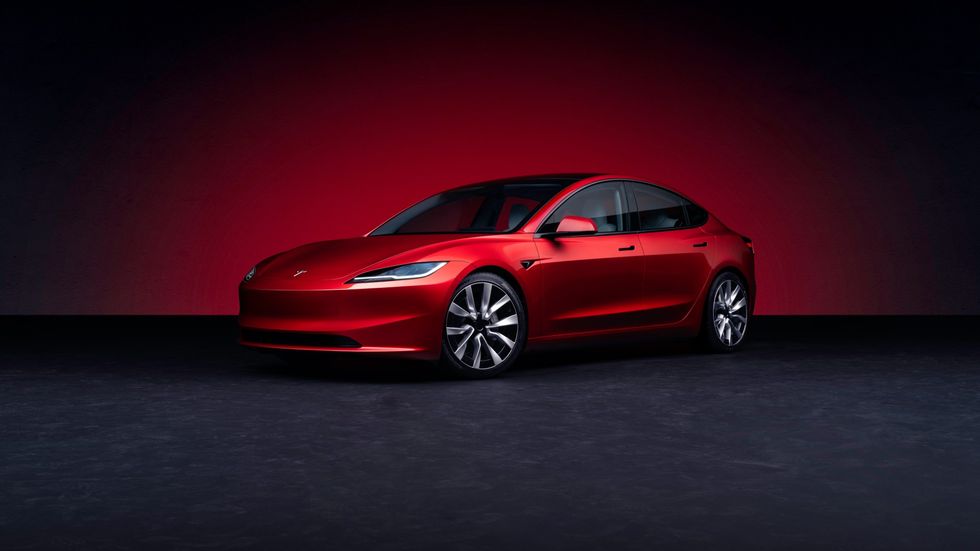
The Tesla Model 3 is one of the most popular used EVs on AA Cars
| TESLASimilarly, the number of drivers running out of charge is falling, with just 1.2 per cent of AA callouts being for empty EVs.
Mr King emphasised the importance of second-hand electric vehicles as drivers look for good value and low running costs.
He added: "Government has helped with the electric car grants and some manufacturers, such as Renault and Hyundai, have changed production to attract higher grants.
"However, fears about the proposed e-VED pay per mile from 2028 are still putting off some drivers."