Thank you for subscribing!
The proposed support comes as households brace for another sharp rise in energy bills this winter
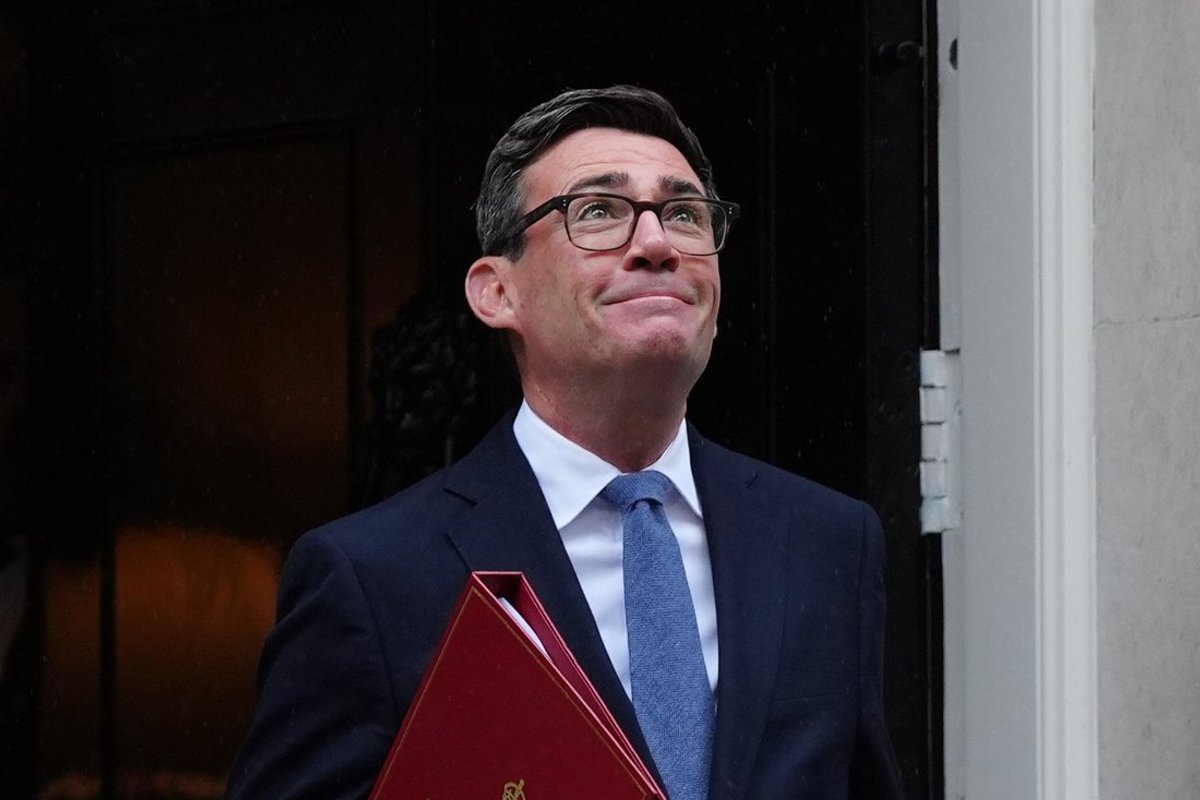
Andy Burnham is preparing to cut up to £200 from benefit claimants' energy bills this winter as the Iran war sends gas and fuel prices surging.
Thousands of households could receive the extra support as Downing Street looks for ways to shield families from another sharp increase in living costs.
Whitehall officials are understood to be drawing up an Energy Price Protection Payment (EPPP), which would provide targeted help to households struggling with their bills. Industry insiders reportedly believe the scheme could be ready to launch in January.
However, no final decision has been taken on whether the payment will go ahead or exactly how much support households would receive.
The plans come as the energy price cap is set to rise from £1,663 to £1,723 in October, adding around £60 a year to a typical household's bill.
Analysts are already forecasting another increase to £1,872 in January, meaning bills could rise by around £200 in total over the winter.
The proposed payment would seek to offset some or all of that increase for households most in need.
Energy prices have come under renewed pressure after the US-Iran conflict disrupted global oil and gas supplies passing through the Strait of Hormuz, a crucial trade route.
European gas prices have since climbed to their highest level since 2022.
Those already receiving the Warm Home Discount would be among the households covered by the proposed scheme, while support could potentially be extended to others considered in need.
Sources have suggested the existing discount is poorly targeted, leaving an estimated 2.5 million additional households living in fuel poverty without support.
It remains unclear whether the new payment would be extended to all of these households.
One person with knowledge of the proposals said the payment could form part of a broader intervention, "layering" support for benefits claimants on top of more universal measures.
The plan could be unveiled at the Budget on 28 October, or potentially in late November when the next price cap adjustment is confirmed.
The final shape of any support package would depend on how energy prices develop and the state of the public finances.
Ministers are also discussing whether help could be extended to all households rather than targeted at those most in need.
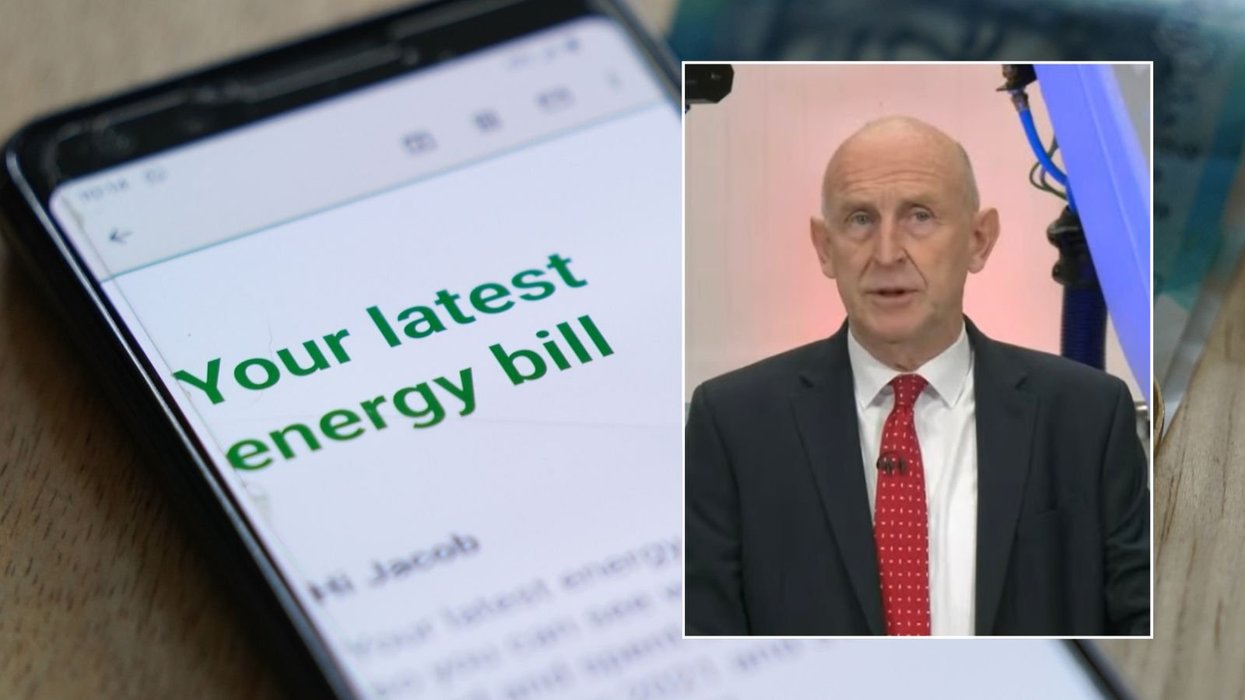
However, a universal scheme would be significantly more expensive and could put pressure on Chancellor John Healey's commitment to keeping the public finances under control.
The Government has already taken steps to bring down bills, including scrapping VAT on electricity. The measure is expected to reduce the Ofgem price cap by around £45 for a typical household from October, although rising wholesale costs have eroded much of the benefit and the cut is due to expire at the end of March.
A government spokesperson did not deny reports that further support was being considered, instead pointing to measures already introduced to ease costs.
They said: "The chancellor is fully focused on giving families and businesses breathing space and helping ease cost pressures.
"That's why we have removed VAT from electricity bills and are reducing electricity costs by up to 25 per cent for more than 10,000 manufacturing businesses through our British industrial competitiveness scheme."
Ministers had already cut household bills by £150 in April by removing the Energy Company Obligation and 75 per cent of the Renewables Obligation from bills.
The £150 Warm Home Discount has also been expanded to around six million households, with the scheme extended for the rest of the decade.
Pressure is growing for ministers to go further. On Friday, more than 120 businesses, trade bodies and charities, including Nationwide, Octopus Energy and British Gas, called for another £100 a year of levies to be removed from bills.
Energy Secretary Miatta Fahnbulleh is also understood to be pushing for a "block tariff", which would give every household a certain amount of electricity and gas at a discounted rate before standard prices apply to any additional energy used.
Ofgem said high international gas prices remain the main factor pushing up household energy costs.
Neil Kenward, Ofgem's director general for markets, said: "High international gas prices are continuing to drive energy costs in the UK. We welcome the government's intervention to remove VAT from electricity bills, without which customers would have faced even higher costs this winter.
"Savings are available by choosing a fixed tariff, which are available at £100 or more below the October price cap, and many suppliers offer tariffs with cheaper electricity to smart meter customers for electricity consumed out of peak times.
"It's also worth considering different payment methods, with prepayment customers paying the lowest price cap rates, and could save consumers an average of about £45 compared to direct debit."