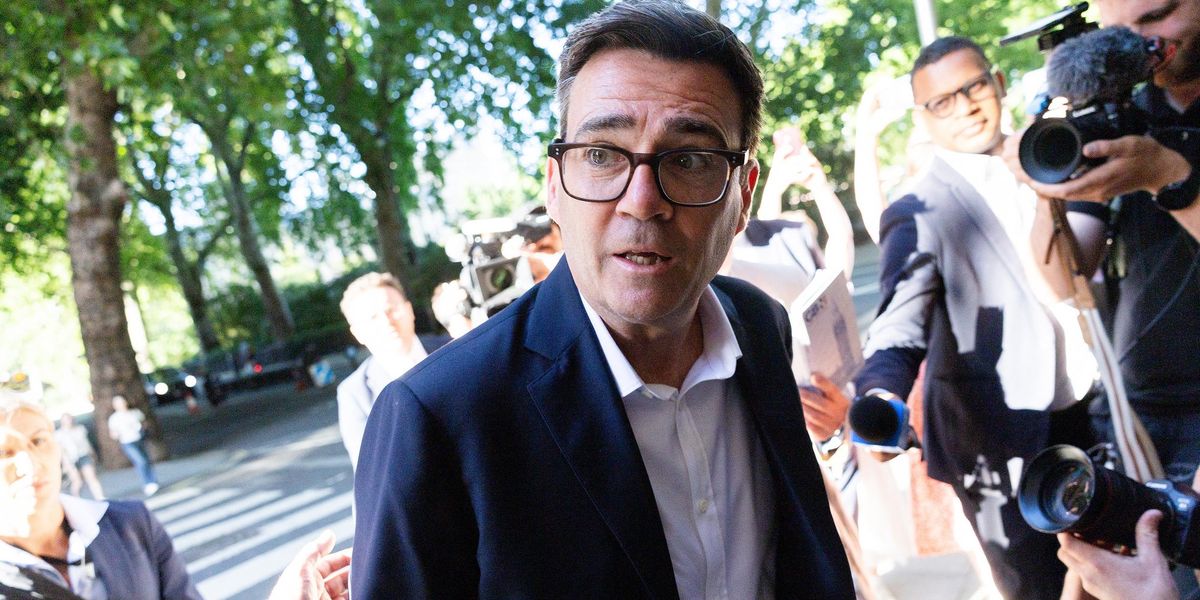
The Prime Minister is expected to outline plans to tackle rising welfare costs and youth unemployment in a speech next week
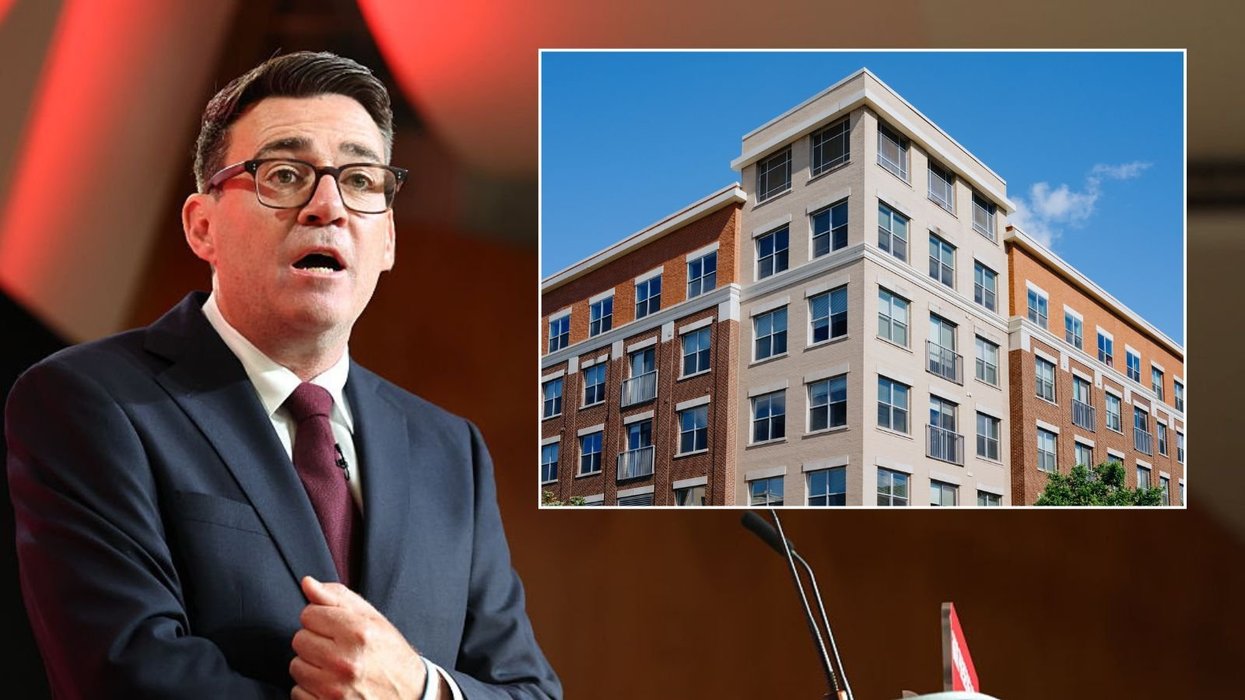
Prime Minister Andy Burnham is preparing to announce significant cuts to Department for Work and Pensions (DWP) benefits as part of plans to tackle rising welfare costs and youth unemployment.
The Prime Minister, who entered Downing Street on July 20, is expected to use a speech next week to argue that expanding further education opportunities for young people is key to reducing both economic inactivity and the growing welfare bill, Birmingham Live has reported.
The address will be one of the first major policy announcements of Mr Burnham's premiership and is expected to signal that welfare reform will be a central part of the Government's domestic agenda.
According to Bloomberg, the annual welfare bill is forecast to exceed £330billion during the current financial year, around £50billion higher than in 2019/20.
The increase highlights the fiscal pressures facing Mr Burnham as he seeks to balance new spending commitments with the Government's fiscal rules.
Financial markets are also closely watching the Government's approach to welfare spending.
James Smith, UK economist at ING, said: "The welfare question is seen as totemic by many investors, even if the scope for material savings is very limited."
Mr Smith added that after Sir Keir Starmer's unsuccessful attempts to reduce welfare spending, which prompted opposition from Labour MPs, "a surprise push here might be rewarded in lower gilt yields".
During his first Cabinet meeting in Downing Street, Mr Burnham said reducing the cost of living would be the defining mission of his Government while remaining within existing borrowing rules.
He told ministers: "What can we do just to take that little bit of pressure off people's shoulders, just to give them that little extra sense that help is coming so that they can have that bit of hope that things are getting better?
"And that's the mission that we've got to set ourselves together."
He also urged ministers to examine every available option to reduce household costs.
Mr Burnham said: "We need to be a cost of living Government, getting that cost of living down, looking at all possible ways of doing that."
During his first days in office, the Prime Minister announced a reduction in VAT on domestic electricity bills and introduced a £2 cap on single bus fares.
Debbie Abrahams, chair of the Work and Pensions Committee, backed proposals to encourage businesses to employ younger workers.
She said: "In a challenging environment, businesses need help to meet rising employment costs. Reducing employer's National Insurance contributions for under 25s will enable them to take a chance on talented young people."
The proposal to reduce employer National Insurance contributions for younger employees would support the Prime Minister's wider focus on further education and skills training as a route into work.
The Government is expected to set out further details of its welfare plans when Mr Burnham delivers his speech next week.