The Chancellor may need a significant tax-raising Budget as Andy Burnham's spending commitments mount, economists warn
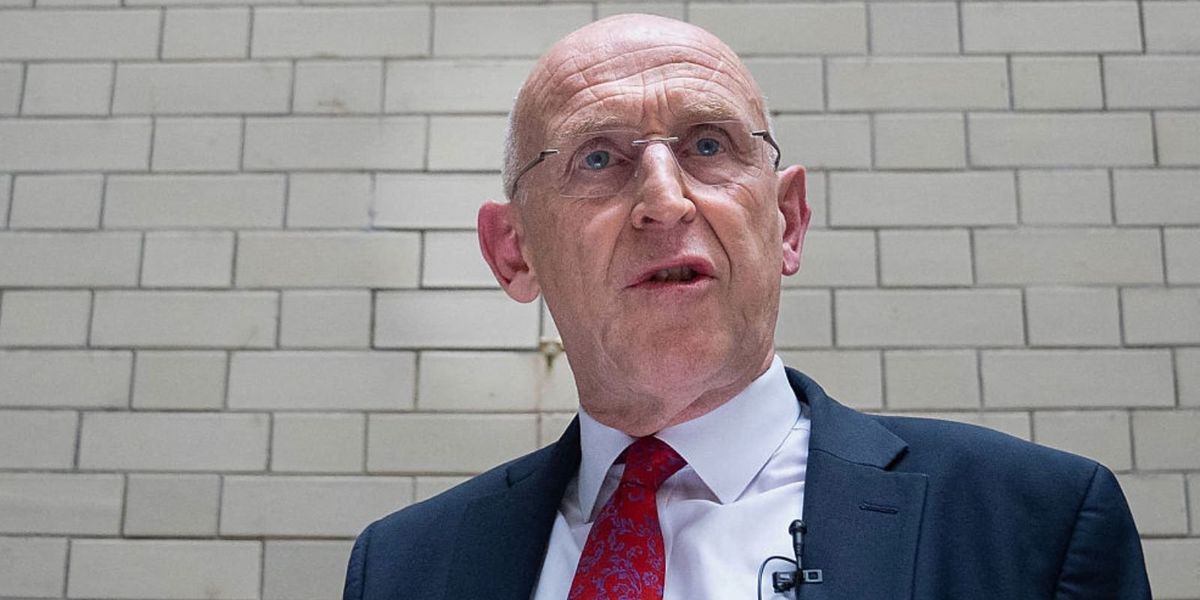
Chancellor John Healey could be forced to deliver a substantial tax-raising Budget this autumn to fund Prime Minister Andy Burnham's growing spending commitments.
City analysts cautioned the Prime Minister's pledges, which already include an unfunded reduction in VAT on electricity bills and a £2 cap on bus fares, leave Mr Healey with little choice but to find fresh sources of revenue.
Additionally, Labour have committed to a 20 per cent cut to business rates for pubs, clubs and live music venues across England, which is predicted to cost £100million.
James Smith, chief economist at the Resolution Foundation, said: "Depending on the price tag for all these things, then it would have to be a significantly revenue-raising Budget to pay for some of those big-ticket items."
The warning comes as Government borrowing costs have climbed above five per cent, a level not seen since 2008 before the Iran conflict intensified, further squeezing the Treasury's fiscal headroom.
Beyond the headline measures on energy and transport, Mr Burnham has pledged to reform social care and introduce further policies aimed at easing the cost of living pressures facing households.
On Wednesday, the Prime Minister indicated he would "look at" raising the £12,570 income tax threshold at the Budget after suggesting just a day earlier that such a move was not under consideration.
Meanwhile, Defence Secretary Wes Streeting has signalled military spending is set to increase.
The Office for Budget Responsibility's Tom Josephs told a Lords committee that the Government's target of spending 3.5 per cent of GDP on defence by 2035 represented "quite a significant new pressure" on the public finances.
Stephen Millard, deputy director at the National Institute of Economic and Social Research, said: "It's not clear that the money would be there absent tax rises. To meet these commitments, taxes are going to have to go up somewhere. The question, of course, is where."
The fiscal backdrop facing Mr Healey is becoming increasingly challenging, with UK gilt yields rising sharply on Wednesday and 10-year bond yields moving above five per cent.
The renewed escalation of the Iran conflict is also pushing up energy prices and Government borrowing costs, reducing the Treasury's room to manoeuvre.
At the Spring Statement, former chancellor Rachel Reeves maintained a £23.6billion buffer against her fiscal rules.
The Resolution Foundation estimated last week that this cushion may have fallen to around £10billion.
Mr Smith warned that extending the VAT reduction on electricity bills until the end of the decade could reduce that margin further to £8billion, below the £9.9billion buffer Ms Reeves held at her first two fiscal events, which was widely viewed as insufficient.
Both Mr Burnham and Mr Healey have ruled out increasing borrowing.
The Chancellor told Treasury staff on Tuesday that "fiscal discipline" was "the bedrock of economic stability and national security".
Andrew Wishart, an economist at investment bank Berenberg, questioned whether the Government could fund its plans through departmental savings.
He said: "There does seem to be a bit of naivety about finding spending cuts to pay for these things. I do think there will be some tax increases in the Budget."
Mr Wishart suggested the Chancellor could ultimately be forced to abandon manifesto commitments not to raise income tax, employees' National Insurance or VAT.
In the shorter term, he predicted capital gains tax rates could increase and the VAT registration threshold could be lowered to raise additional revenue.
However, Mr Wishart argued those measures alone may not be enough.
He said: "Ultimately, I don't think that's going to be enough. So there is a possibility that they have to try and make the argument for a broad-based tax hike to pay for, particularly, the defence spending increase."
Sir Mel Stride, the shadow chancellor, said: "Keir Starmer and Rachel Reeves hiked taxes to pay for more welfare. Andy Burnham has no plan for Government, so he is rapidly heading towards doing the same. His announcements so far just don't add up."
Andrew Griffith, the shadow business secretary, urged Mr Healey to rule out further tax rises, warning households and businesses were already under significant fiscal pressure.
Reform UK's finance spokesman Robert Jenrick accused the Prime Minister of continuing a high-tax, high-spend approach.
His party has estimated the total cost of Mr Burnham's pledges at £38billion.
Meanwhile, the TaxPayers' Alliance said one million additional people will become liable for income tax this year, taking the total to 40.8 million, including more than 10 million pensioners, according to HMRC figures.