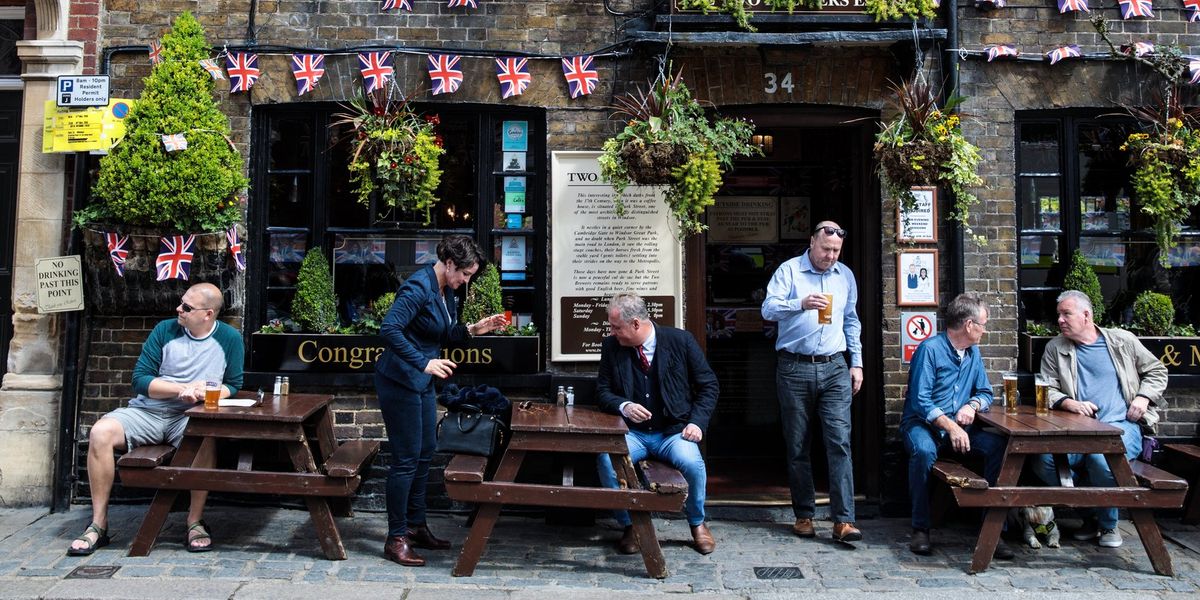
Boozers across the nation had feared the worst as the levies skyrocketed after the pandemic
Business rates will be cut by 20 per cent for pubs, clubs and live music venues across England in a lifeline for the nation's under-fire boozers.
The discount, teased yesterday but confirmed by Downing Street this morning, will apply to nearly 32,000 hospitality businesses from April next year.
It is expected to save an average pub some £1,100 per year, but will not be available to the very largest live music venues.
The overhaul of business rates will be funded through a review of reliefs for businesses that “do not make a positive contribution to local communities”.
These include vape shops and online marketplaces that do not comply with tax obligations, No10 said.
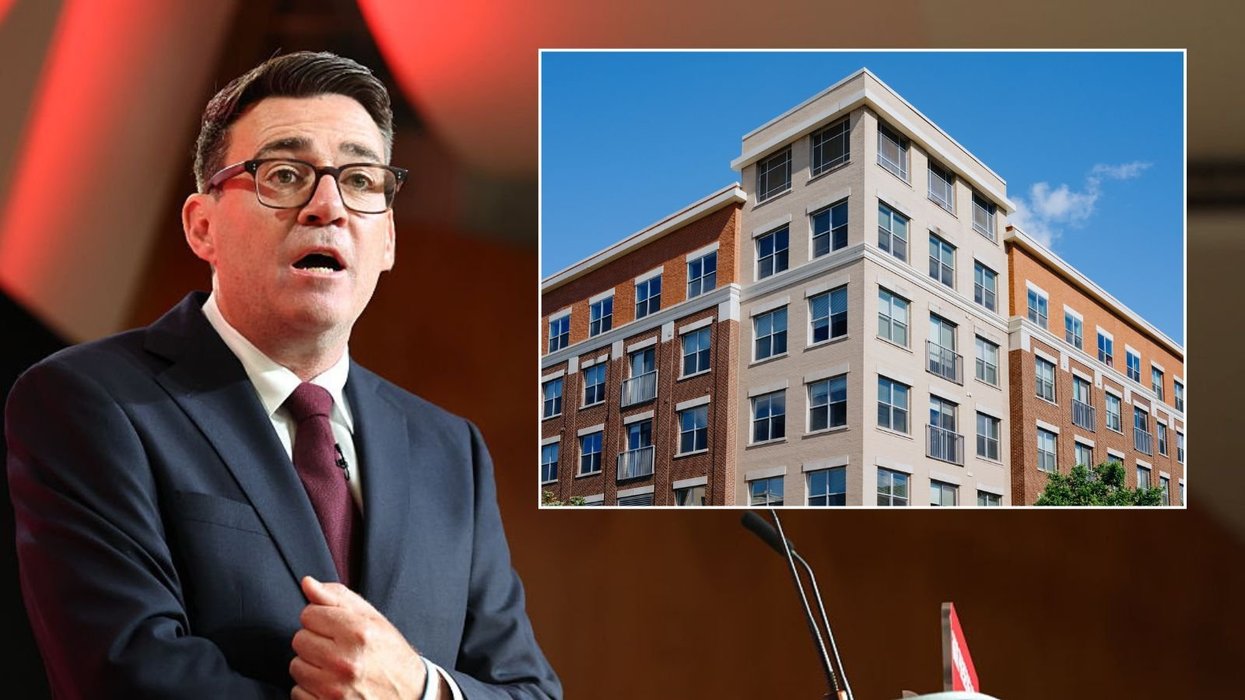
Andy Burnham had previously pledged to raise taxes on out-of-town warehouses for retailers like Amazon to help pay for the rates cuts.
Mr Burnham said today: “This Government will back the businesses that people want to see in their communities.
“I said I would protect pubs and local high streets – the beating heart of our communities – and that’s what we will do. What we’re announcing today is just the start as we work to bring back hope across the country.”
But any further details on his plans for business rates reform - including small business rates relief - will have to wait until the Budget.
Chancellor John Healey said the Government was "determined to bring hope back" with the changes.
He said: "Pubs, clubs and live music venues are at the heart of communities across the UK. They help make a place what we love.
"They bring people together, support local jobs and help keep high streets and town centres busy - which is why we will back them all the way.
ANDY BURNHAM'S FIRST WEEK - READ MORE:
"We are determined to bring hope back, give businesses the support they need and generate growth in every postcode."
Fears had long been raised that thousands of pubs would face the very worst without major reforms to business rates.
Unlike most commercial premises, where business rates are calculated on potential rental income, pubs are evaluated based on earnings.
Since Covid, small retail, hospitality and leisure businesses had received discounts which decreased the rate to be paid - but these stopped applying in April.
In January, the Government announced support for pubs and live music venues - 15 per cent relief off the 2026/27 bill.
But in May, the British Beer and Pub Association (BPPA) said almost two pubs had closed every day between January and March 2026.
Scotland had the highest number of closures with 41 in the period.
Mr Burnham is set to meet the leaders of Scotland and Wales for the first time since becoming Prime Minister when he travels to Glasgow today.
Under his pledge to "build an economy that works for every postcode", he has spent every morning in power so far announcing new policies: A VAT cut on energy bills on Tuesday, a £2 bus fare cap on Wednesday, and a business rates cut today.
But Tory leader Kemi Badenoch is set to outline her challenge to the new Prime Minister's "spending spree" today in a speech calling on him to rule out tax rises to pay for the splurges.
While Iain Hoskins, owner of Ma Pub Group in Liverpool, said that while the relief on business rates would go some way to “chipping away” at the rising cost, he cast doubt on how many venues would be covered by the change.
He told the BBC: “The worry has been, obviously, in recent years, I mean, when our venues from last year to this current year got revalued, we saw increases of between 100 and 150% on the rates that we pay.
“So that just goes to show how much they went up by. And while 20 per cent – particularly if that 20 per cent is on top of the 15 per cent and other help that’s there – that can be very meaningful for businesses, independent businesses such as mine.
“But as always, the devil is in the detail... I got very excited last year when we were told about the 15 per cent.
"But actually, it worked out that only one out of the five venues that we had qualified for that support because they didn’t have the word pub in their name.
“They were a cafe bar, which was a posh pub, but they were a pub, you know, nonetheless.”