The Labour Government has came under fire for refusing to drill for oil in the North Sea despite the UK's energy crisis
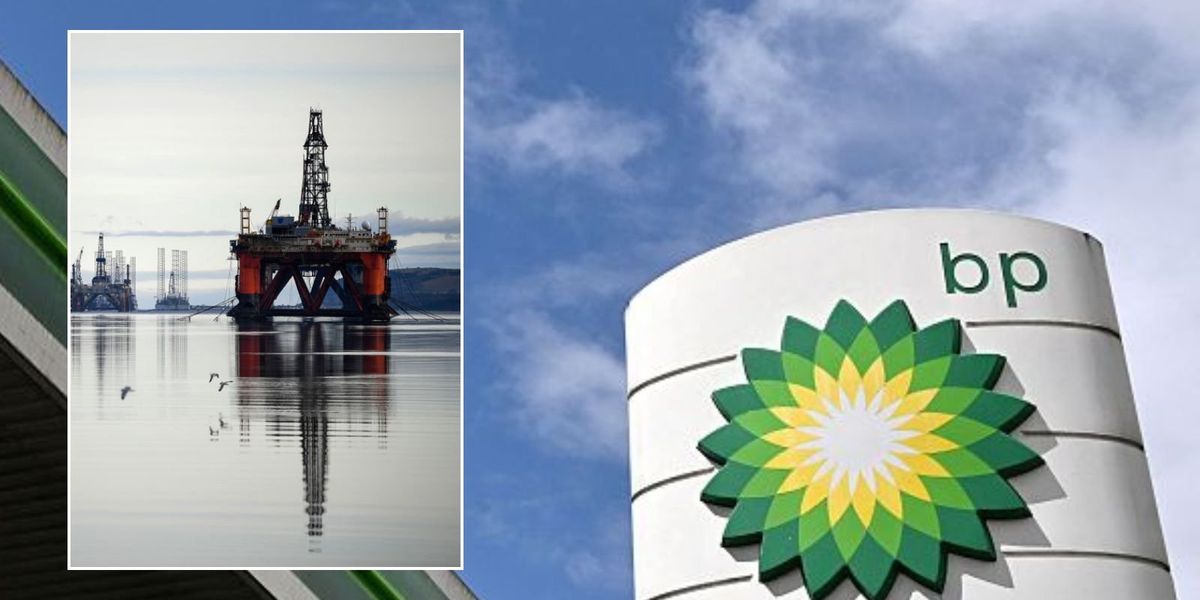
BP has confirmed plans to put its North Sea oil business up for sale despite the reserves it owns being "integral to the UK's energy system".
According to the energy company, this latest move is part of continuing efforts to trim down its operations by selling off parts of the business.
Chief executive Meg O’Neill said she believed the North Sea business, which has around 1,100 staff, would be “better positioned as part of another company”.
She said: "The North Sea remains integral to the UK’s energy system.
"However, as we focus our portfolio and direct capital to our highest-value opportunities, we believe our North Sea business will be better positioned as part of another company.
"It has world-class people, resilient assets and a proud heritage, and it is precisely these qualities that can attract an owner ready to back its next chapter."
Among the oil assets in BP's portfolio include Glen Lyon, Clair and Clair Ridge to the west of Shetland, as well as Andrew and ETAP in the Central North Sea.
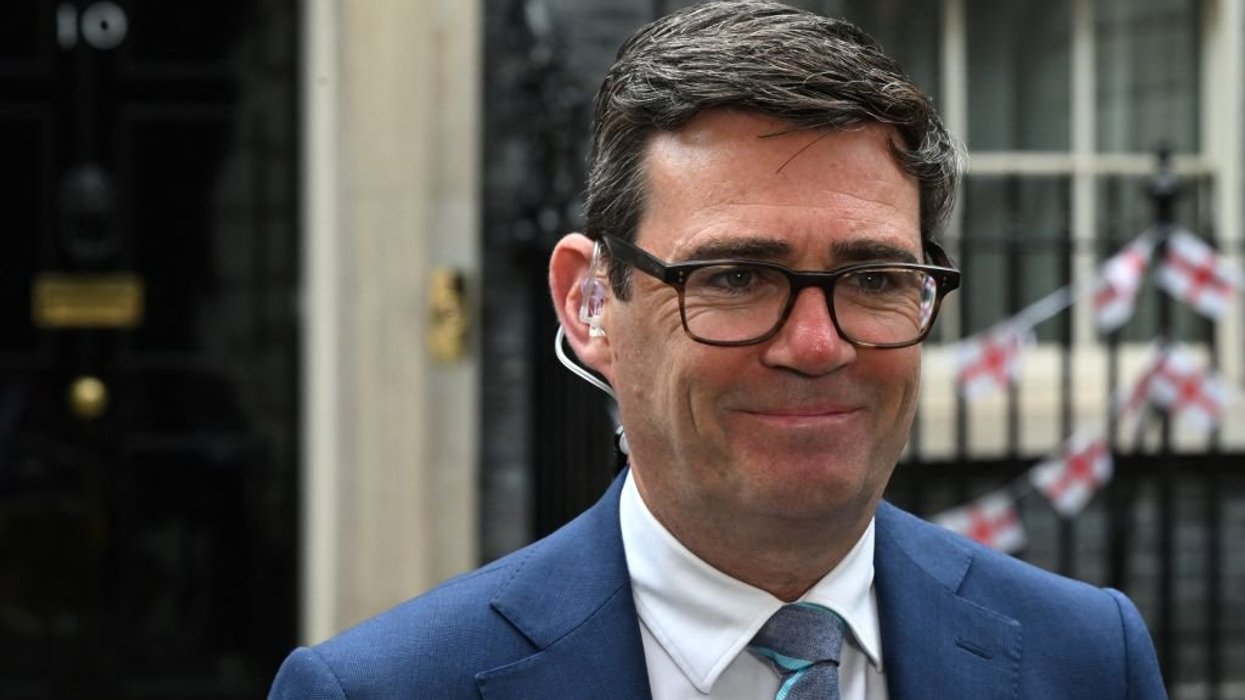
Prime Minister Andy Burnham has claimed he will take a "pragmatic" view to oil and gas drilling in the North Sea in his second week since getting the keys to Number 10 Downing Street.
According to the new PM, the Labour Government should not ignore any potential energy sources that Britain has at its disposal.
This intervention from Mr Burnham comes after US President Donald Trump renewed calls for Britain to drill in the North Sea.
In his first conversation with the Prime Minister, President Trump claimed he told Mr Burnham to "open up" North Sea oil.
However, the UK Government's summary of the call did not reference the White House's call to action when it comes to drilling.
Based on Labour’s 2024 manifesto, the party promised it would not issue new North Sea licences.
On recent developments in the oil market, Fidelity International's investment director Tom Stevenson said: "The oil price remains the main transmission mechanism for tensions in the Gulf to feed into financial markets.
"Oil fell seven per cent as the week got underway after a quiet weekend in which the US and Iran avoided any further escalation.
"With petrol prices above $4 a gallon, and mid-term elections looming, it seems likely that domestic politics may influence foreign policy in the coming months."