Leon co-founder criticises Andy Burnham's pub business rates cut for excluding restaurants
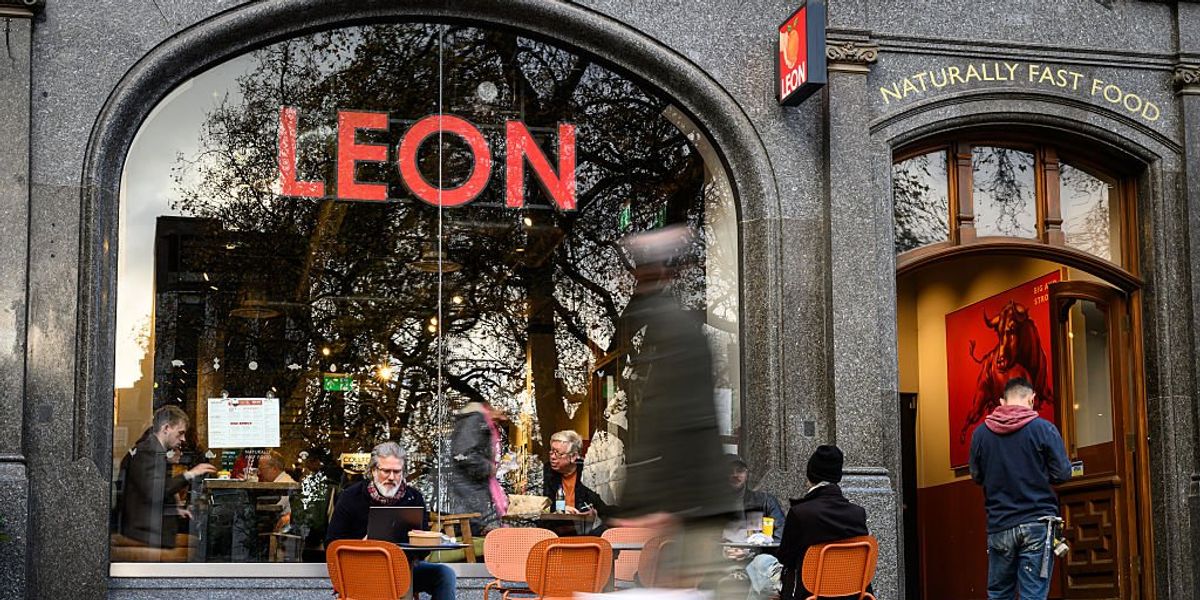
Leon boss John Vincent has criticised Andy Burnham for excluding restaurants from business rate cuts, arguing it draws an “unfair” line between businesses facing the same financial pressures.
Mr Vincent, who founded the restaurant chain in 2004, told The Telegraph: “We are very confused as to why restaurants are not covered.
"They are suffering massively, just like pubs. We all compete in the same market and we have the same cost structures.”
He said the distinction created “a false and unfair” divide between businesses serving the same customers.
The Prime Minister’s package, due to take effect from April next year at an estimated annual cost of £100million, will apply to pubs, clubs and live music venues.
Chef and pub owner Tom Kerridge welcomed the announcement but questioned its impact, noting that an average £1,000 reduction “isn’t hugely significant in the grand scheme of things”.
Mr Kerridge, who has campaigned for a VAT cut for the hospitality sector, said neighbourhood restaurants deserved the same recognition as pubs because they also act as community hubs.
“The biggest thing that will make a big difference to every single space is that reduction in VAT,” he said.
His comments reflect wider calls across the hospitality industry for broader tax reform, with business leaders arguing that reducing VAT would have a greater effect than changes to business rates alone.
Allen Simpson, chief executive of UKHospitality, described the announcement as “a welcome first step” but said restaurants continued to face the same financial challenges as pubs, while hotels had seen average business rates increases of 110 per cent.
“Today’s announcement will provide welcome support for pubs, clubs and live music venues, but they only account for around a fifth of hospitality jobs.
"The rest of the sector now needs to see the same ambition,” he said.
Around four in five hospitality workers are employed by businesses not covered by the Prime Minister’s package.
The announcement has also prompted calls for wider business rates reform beyond hospitality.
Jon Hendry Pickup, chief executive of Butlin’s, said major employers investing in coastal communities and the UK’s tourism industry should not be excluded because of their size.
Thomas Woldbye, chief executive of Heathrow Airport, said he would “love” to see similar support extended to aviation.
Heathrow, which pays Britain’s largest business rates bill, has seen its annual burden rise by £50million under former chancellor Rachel Reeves.
“Taxation has a huge impact on our business and is one of the biggest factors in making our aviation industry less competitive compared to everywhere else in Europe,” Mr Woldbye said, adding that measures should narrow the competitiveness gap rather than widen it.
Stuart Adam, senior economist at the Institute for Fiscal Studies, criticised the growing complexity of the business rates system.
“Business rates have gone from being one of the most stable and simple taxes in the system to one of the least,” he said, warning that the system risked becoming one where businesses received different treatment based on political decisions rather than consistent tax principles.