Thank you for subscribing!
His hedge fund oversees more than $20billion (£15billion) in assets, making it one of the largest in the world
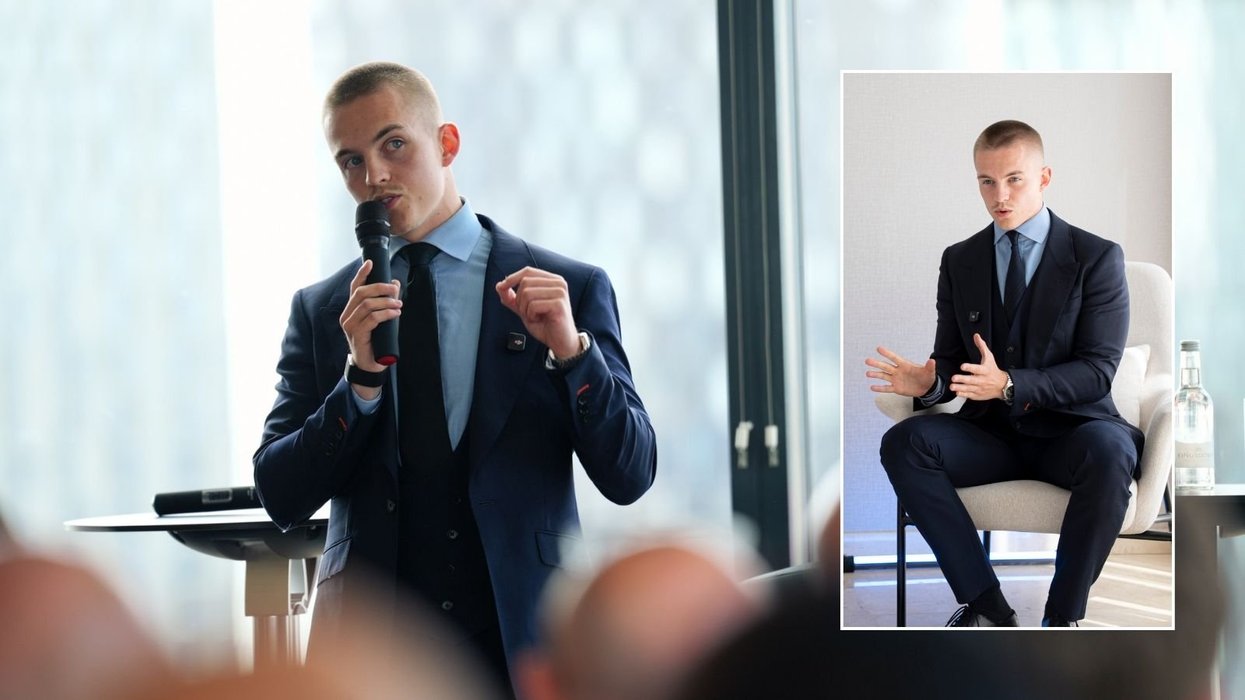
Britain's third-highest taxpayer, hedge fund billionaire Chris Rokos, is relocating to Greece.
The move deals a fresh blow to Chancellor John Healey, who on the same day delivered his first major speech declaring he wanted Britain to be a "country of wealth creation."
Mr Rokos, the founder of Rokos Capital Management, paid £330million in tax last year, according to the Sunday Times list of top taxpayers. He is now switching his residency to Athens and plans to open an office there, Bloomberg News reported.
The 55-year-old financier, whose personal fortune stands at roughly $4billion (£3billion), becomes the latest in a growing line of wealthy individuals abandoning the UK amid mounting concerns over Labour's appetite for tax rises.
Representatives for Mr Rokos declined to comment on the move.
His hedge fund oversees more than $20billion (£15billion) in assets, making it one of the largest in the world.
The tax he contributed last year alone is equivalent to the combined bill of around 21,000 British households, based on an average family tax payment of £15,700 per year.
Mr Rokos enjoyed a bumper year at his firm, with profits almost tripling to £940million and his personal pay reaching £477million.
Educated first at a state primary school, he won a scholarship to Eton before reading maths at Pembroke College, Oxford.
He began his career in bond trading, working at Credit Suisse before being recruited to rival hedge fund Brevan Howard in the early 2000s. He launched his own fund in 2015.
Earlier this year, Mr Rokos gave £190million to Cambridge University to establish the Rokos School of Government, described as the largest single donation to a British university in modern times.
His departure follows Labour's decision to scrap the UK's non-domiciled tax regime in April last year, which meant overseas income became subject to British tax for the first time.
Greece offers a far more favourable arrangement for wealthy newcomers. Its own non-dom scheme charges a flat rate of €100,000 (£86,000) on all foreign earnings for up to 15 years, provided the individual invests at least €500,000 in Greek property, businesses or financial assets.
Mr Rokos is far from alone in seeking greener pastures. Guillaume Pousaz, who founded the payments platform Checkout.com, left Britain last year, as did Nassef Sawiris, Egypt's second-richest man. Icelandic investor Thor Björgólfsson shifted his tax residency to Italy, which levies a flat €300,000 annual charge on foreign income.
Alan Howard, the founder of Brevan Howard and Mr Rokos's former boss at Credit Suisse, also departed for Switzerland last year. Mr Howard is himself a prominent Conservative donor.
Shadow chancellor Andrew Griffith condemned the departure, warning it would hurt ordinary Britons. "Chris Rokos is Britain's third-highest taxpayer.
He has made huge contributions to charities and educational causes across our country. Yet another wealth and job creator leaving Britain is bad news for all of us," he said.
Mr Griffith argued that the consequences extend well beyond the loss of a single taxpayer. "Whatever your personal finances, wealth creators leaving the UK means fewer opportunities for young people and leaves the rest of us paying more," he said.
"This is what happens when a government hikes taxes. Our best and brightest are choosing where to live and they are not choosing Labour's Britain."
Mr Rokos was formerly a significant Conservative donor, giving £1.9million to the party under David Cameron ahead of the 2015 general election.
The worsening economic outlook has fuelled speculation that Mr Healey could announce further tax increases at his first Budget on October 28. The Chancellor declined to speculate on possible rises during his speech on Monday.
Prime Minister Andy Burnham has refused to rule out a wealth tax ahead of next month's fiscal statement. He suggested in July that the Government may have "to ask for a little more" and that there is "some room" for the tax burden to increase.
The Treasury has warned Mr Burnham that rising inflation and a potential oil shock from the Middle East conflict could deliver a blow to the economy in the closing months of the year.