The global economy has been forced to contend with rising oil prices in response to the conflict in the Middle East
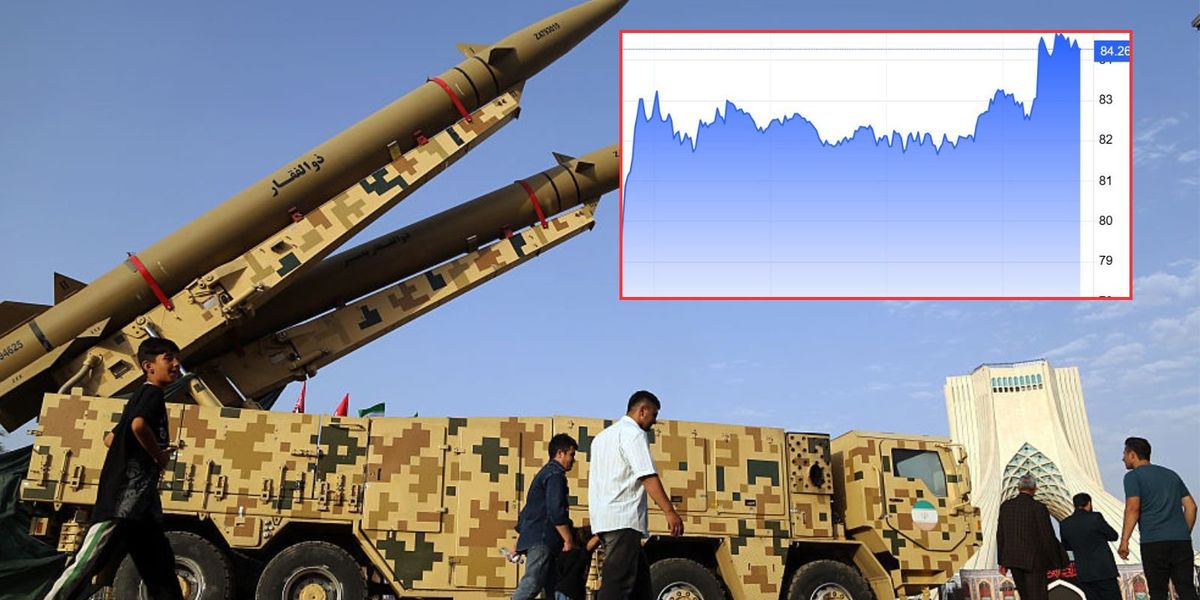
Oil prices have jumped by around seven per cent as the US-Iran war continues to rage on after President Donald Trump pledged to hit back at Iran amid ongoing tensions in the Middle East.
The Islamic Republic's threats to shipping via the Bab el-Mandeb pushed WTI above $84 (£63.19) and brent closed to around $90 (£67.71).
This comes hours before the US Federal Reserve's Federal Open Mark Committee (FOMC) announces any changes to the country's interest rates, with the likely rise in energy bills expected to cause a spike in inflation.
Speaking to the press, President Trump asserted that the US will "hit Iran hard" after the regime targeting an American military base in Jordan.
At the same time, Iranian-backed Houthis have openly floated levying fees on commercial shipping through the Bab el-Mandeb Strait.
Over recent months, oil prices and energy bills have shot up in response to Iran effectively closing off the Strait of Hormuz, the shipping route used to transport 20 per cent of the world's reserves.
As the conflict continues to spill over, US and Saudi-backed forces have issued strikes against Houthi militias in Yemen.
Last week, the European Central Bank (ECB) opted to hold interest rates for the economic bloc at 2.25 per cent.
With the Fed preparing to announce its latest decision later today, Britons are preparing for the Bank of England's announcement regarding the cost of borrowing tomorrow.
The central bank's Monetary Policy Committee (MPC) has opted to hold the UK's base rate at 3.75 per cent over recent months.
Following the Covid-19 pandemic, central banks across the world have chosen to raise interest rates in an effort to rein in inflationary concerns.
Analysts warn the post-pandemic recovery could take longer if the cost of borrowing across developed economies remains elevated for much longer.
Danni Hewson, AJ Bell head of financial analysis, said: "With nerves about the potential inflationary impact of the escalating conflict in the Middle East colliding with worries about soaring tech capex, it’s been tough to find the optimism, even if London markets enjoyed a continued boost from big oil and defence stocks as investors adjust to the changing political and geopolitical landscapes.
"It’s worth remembering that at the start of the month the price was hovering around $70 a barrel and markets had dared to hope that central bankers might be able to seamlessly shift from a pause to further cuts.
"Though the ECB held firm there’s little doubt that unless tensions de-escalate quickly, September’s rate story will be one of hikes.
“And the fluctuations over the past months are having a significant impact on the airline sector, with American Airlines the latest to trim profit forecasts for the year as higher prices more than offset resilient demand from travellers."