Oil prices have retreated in recent days, which has given a welcome boost to London's Ftse 100 thanks to a tailwind in global equities
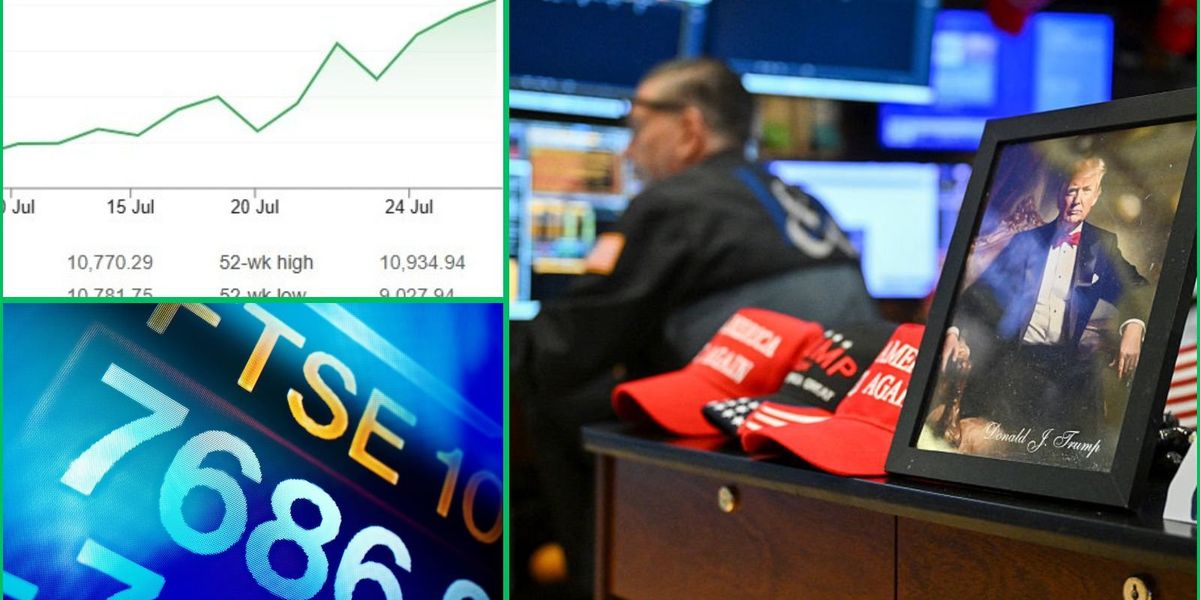
The Ftse 100 has surged close to a previous all-time high in a major boon for the City as oil prices continue to fall amid peace talks in the Middle East.
London's benchmark index gained more than 0.5 per cent on Tuesday afternoon, reaching approximately 10,377 points, as a sharp retreat in oil prices lifted sentiment across global markets. In February, the Footsie jumped to around 10,910 points before retreating.
Brent crude, the international oil benchmark, tumbled six per cent on Monday to $90.98 (£64.55) per barrel.
The decline followed White House's announcement that President Trump was halting military strikes against Iran, with an Omani delegation now leading diplomatic efforts to guarantee safe passage through the Strait of Hormuz.
Prices had surged to two-month highs above $100 (£75.24) per barrel last week after Iran-backed Houthi forces claimed responsibility for attacks on tankers in the Red Sea. The pullback in energy costs provided a significant tailwind for equities worldwide.
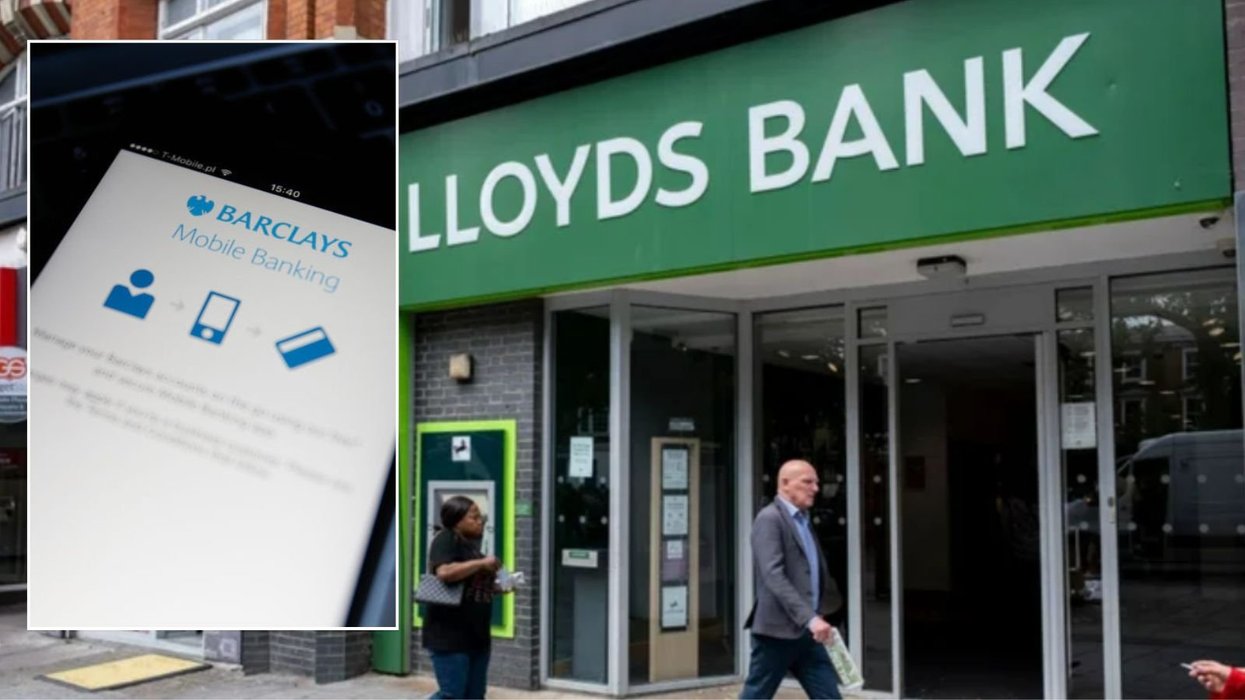
Despite reporting second-quarter profits that exceeded market forecasts, Barclays was the heaviest faller on the Ftse 100 on Tuesday morning, with shares sliding five per cent.
The banking giant had unveiled a fresh £1billion share buyback programme alongside its results. Elsewhere on the blue-chip index, Unilever maintained its position as the session's strongest performer, with a six per cent jump.
Croda International and Admiral rounded out the top risers. Games Workshop and Lion Finance joined Barclays among the day's notable decliners, with the lender down four per cent by mid-morning trading.
AJ Bell investment director Russ Mould said: "Tariffs are back on the list of concerns for global stock markets as the White House brings in a new swathe of levies to replace temporary measures which had just expired."
He noted that the Trump administration had been expected to seek alternative means of imposing trade levies after the Supreme Court ruled the previous set illegal in February.
Mr Mould added: "But, while the outcome won't come as a complete shock to markets, it is nonetheless another unwelcome source of uncertainty.
"Sentiment is buffeted by the renewed conflict between the US and Iran and concerns about levels of expenditure in the tech sector."
Heavy spending announcements from Alphabet and Tesla alongside their second-quarter results weighed on Wall Street, while Asian bourses proved especially vulnerable to trade disruption fears and climbing energy costs.
Mr Mould observed that the Ftse 100 had fared considerably better than many international peers throughout the week.
He credited London's benchmark stock market index for its roster of more defensive stocks and minimal exposure to the technology sector.
RELX shares also continued their upward trajectory following results that eased investor anxiety about the potential for artificial intelligence to undermine the company's business model.