Thank you for subscribing!
Houthi rebels in Yemen have seized control of a port on the Red Sea, threatening a key shipping strait.
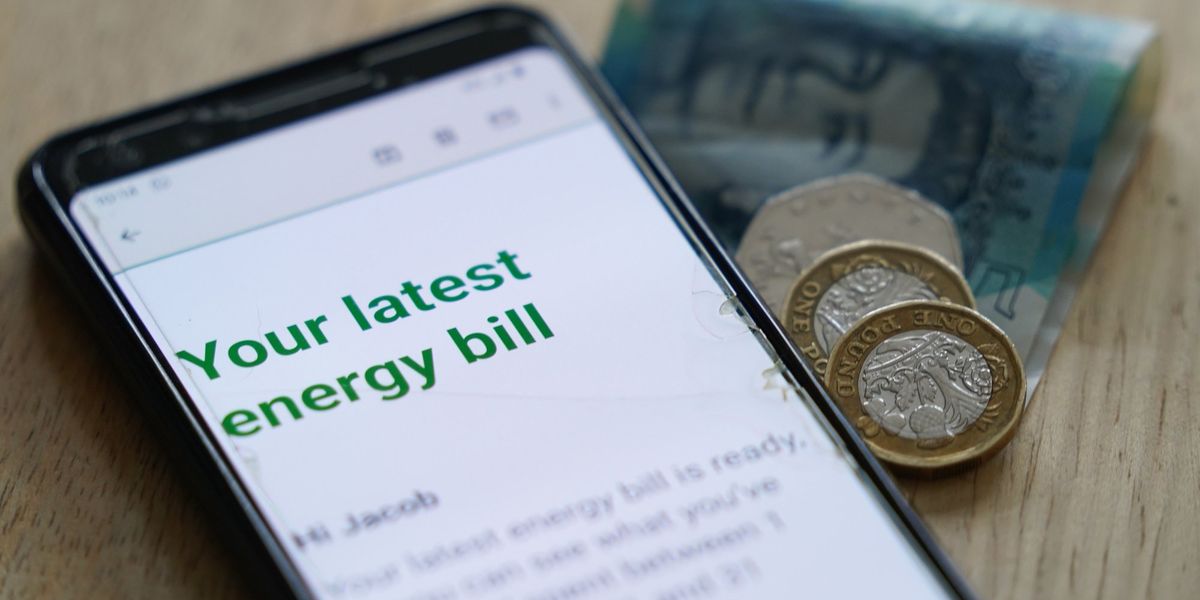
Household energy bills could rise by a quarter next year, analysts warn, as the Middle East conflict continues to ramp up prices.
UK gas prices are at their highest since December 2022, and oil was above $108 a barrel after attacks on infrastructure in Saudi Arabia.
The Kingdom is racing to repair a vital east-west pipeline that was hit by a drone.
Meanwhile, Houthi rebels in Yemen have seized control of a port on the Red Sea, threatening a key shipping strait.
The high energy prices are expected to worsen inflation, which Bloomberg Economics, behind the report, believes could hit four per cent in the UK next year.
This is double the Bank of England's target and makes an interest rate rise this year more likely.
Household energy bills are already set to rise by four per cent in October, when the price cap is increased to £1,723.
Regulator Ofgem uses a three-month window to calculate each cap.
Bloomberg expects that current high prices will see it raised to £2,150 when it is next set, in the New Year.
Energy supplier EOn has predicted the January cap will rise to £2,027 a year, while Ovo Energy forecasts £2,041.
The Government has taken a number of steps to lower bills, including moving some of the renewable subsidies into general taxation.
Prime Minister Andy Burnham also announced a VAT cut on household energy bills shortly after becoming leader.
But the wholesale costs could offset these savings. UK month-ahead gas futures have risen by 150 per cent since the Gulf conflict started, and efforts to reopen the crucial Strait of Hormuz have proved fruitless.
The impacts are already being felt, and the RAC said the cost of filling a family car with fuel has risen by almost £5 since the start of September.
The price of diesel is now at its highest since July 29, 2022, while petrol prices have not been this high since August 23, 2022, the RAC said.
RAC head of policy Simon Williams said: "Since the start of this month, the cost of filling a family car has already risen by almost £5, to £94 for petrol and £106 for diesel.
"So the pressure on the Chancellor to act to support households, so many of whom are dependent on the car, is building.
"Fuel duty is set to start rising from January, but as we've said previously, there is a strong argument for leaving it at its current level, at least until the end of the Parliament."
Susannah Streeter, Chief Investment Strategist at Wealth Club, said inflation and interest rate rises could be on the cards.
She said: "The conflict has become more entrenched, with Iran clearly in this fight for the long haul, and it's led to fresh worries that higher energy costs will become embedded in economies, leaving companies with little choice but to hike prices on a vast range of goods.
"That'll be concentrating the minds of the raft of central bankers meeting this week on both sides of the Atlantic to decide on rate hikes."
Meanwhile, experts warned that European gas storage levels were low.
Erisa Pasko, of Energy Aspects, said a cold winter could lead to competition over gas.
"It's not really the issue of getting enough gas," she said.
"It's that there's going to be a lot of competition within Northwest European hubs, especially between Germany, the UK and France."