Thank you for subscribing!
Rising energy, transport, and commodity costs are piling further pressure on Britain's food manufacturers
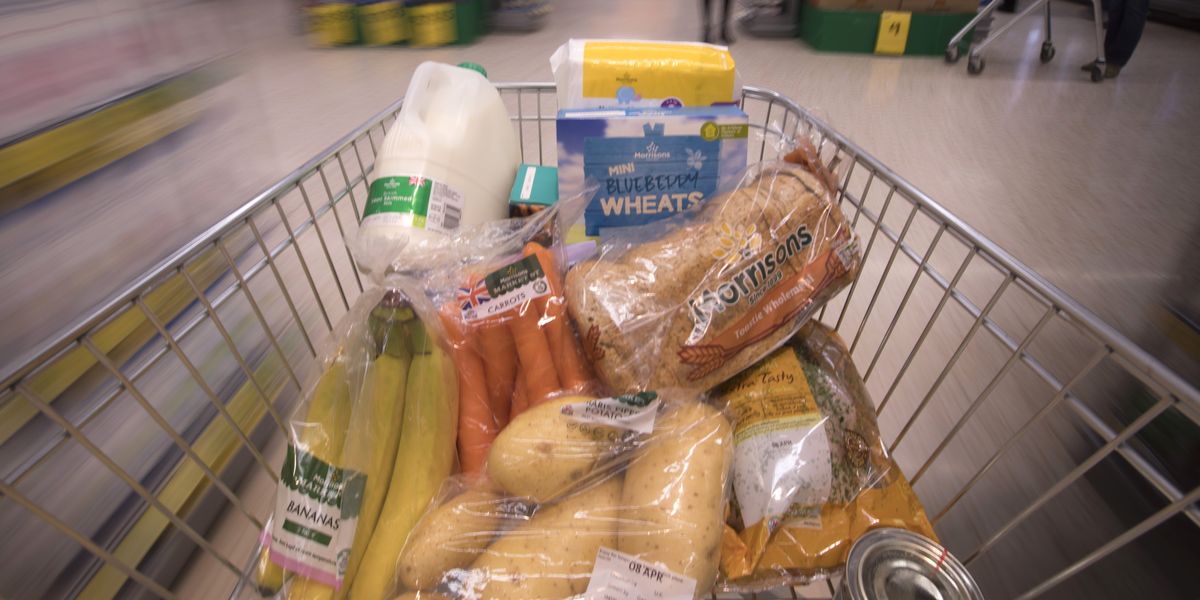
British families face another painful squeeze on their grocery bills, with food prices forecast to climb nearly four per cent by Christmas.
The Food and Drink Federation has warned that inflation will not stop there, predicting it will reach 6.4 per cent by July next year.
The increase comes due to the combined effects of global conflict and extreme weather filtering through to supermarket shelves.
The trade body, which represents 12,000 food and drink manufacturers, said a basket of groceries costing £100 in January 2020 would now set shoppers back £138.60, according to Office for National Statistics data.
That figure is expected to rise a further £8.90 to £147.50 by next summer.
While the forecast is lower than the nine per cent the FDF predicted in April, the organisation cautioned that inflation would remain well above historical averages throughout the second half of next year.
The FDF described "disruption is the new normal" for the industry, pointing to geopolitical instability, climate change and an accumulation of regulatory costs linked to packaging and recycling reforms.
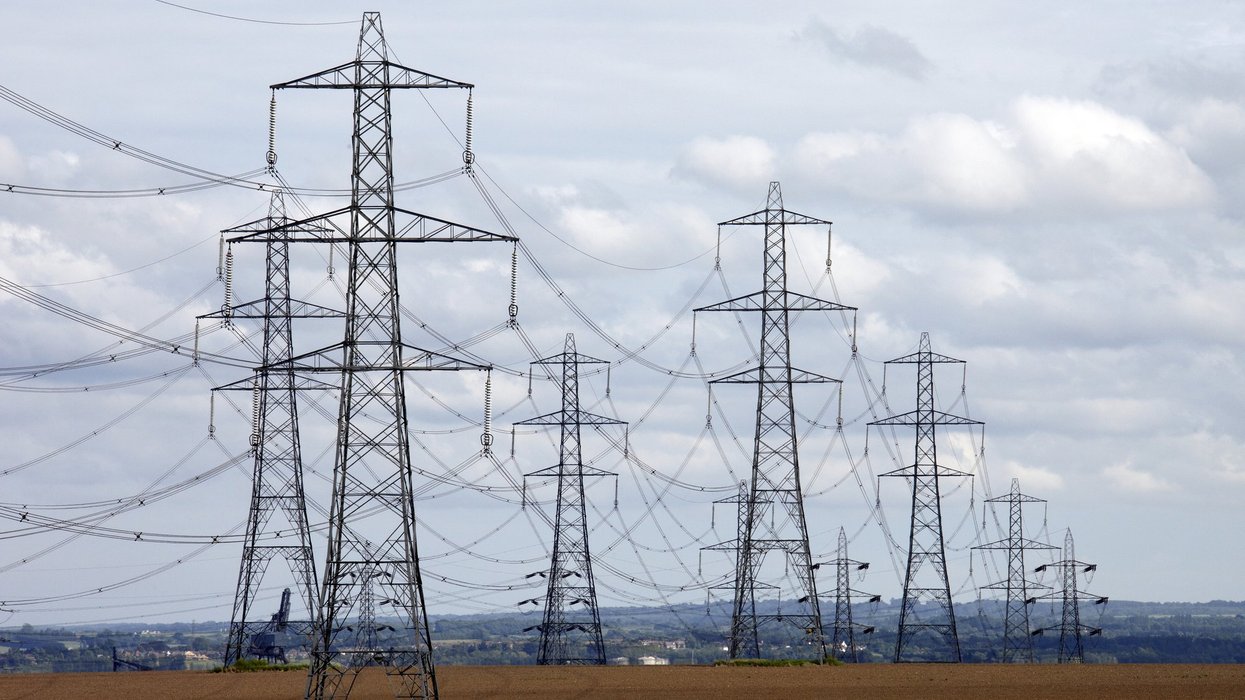
Energy costs are a major factor behind the squeeze. Gas prices have more than doubled since February, while UK electricity costs rank among the highest in Europe, according to the federation's latest Food Inflation Forecast.
Diesel prices have also jumped 28.6 per cent since the onset of the Middle East conflict and the closure of the Strait of Hormuz, adding further pressure to logistics bills.
The FDF urged ministers to relieve the burden of rising energy and regulatory costs on manufacturers, warning that "resilience is wearing thin" across the sector.
Climate-related disruptions have sent commodity prices surging. Wheat costs have risen 45 per cent, while cocoa has more than doubled. Rice is up 60 per cent, with sugar and coffee climbing 27 per cent and 22 per cent respectively.
Droughts that hit the UK and Europe over the summer have placed additional strain on supplies, meaning producers will face steeper costs for fruit, vegetables and grains in the coming months.
FDF chief executive Karen Betts said: "Food and drink manufacturers have kept food prices as low as possible during the energy shock since the closure of the Strait of Hormuz but they can't do this indefinitely."
Ms Betts added: "The persistently higher costs of energy, logistics and packaging, compounded by this summer's extreme heat mean that food prices will rise this year, and we believe that rise will be sustained into 2027."
Ms Betts also stressed that households "need some breathing space," adding that tackling rising production costs would help ease the cost of living while giving businesses "the confidence they need to invest in a resilient food system."
The National Audit Office warned last week that the Government must collaborate more closely with households, communities and industry to ensure the food supply chain can withstand severe shocks, including extreme weather, cyber-attacks and disease outbreaks.
Environment Secretary Dame Angela Eagle subsequently advised households to stock up on food in preparation for extreme weather, telling the Guardian that El Nino would bring "more extreme storms in this country."
A Defra spokeswoman said the Prime Minister had made clear that "food security is national security," adding that the Government was taking steps to keep prices down, including suspending import tariffs on everyday goods and supporting farmers affected by the recent drought.