The wealthiest 10 per cent of earners now pay almost 60 per cent of all income tax
Britain's highest earners are paying an ever-greater share of the nation's income tax bill, according to new HM Revenue and Customs (HMRC) figures.
The latest data shows the wealthiest 10 per cent of workers now contribute 58.4 per cent of all income tax collected, up from 50.3 per cent at the turn of the millennium.
Those earning £72,500 or more a year fall within the top 10 per cent of taxpayers.
HMRC expects to collect £202billion in income tax from these earners during the current financial year, an increase of £156billion compared with the 1999-2000 financial year.
After adjusting for wage inflation, the increase amounts to £112billion in real terms.
The average taxpayer within the top 10 per cent now pays around £50,000 in income tax each year, compared with £17,000 26 years ago.
Tax experts have warned the growing burden placed on higher earners risks undermining confidence in the tax system.
Robert Salter, a director at advisory firm Blick Rothenberg, said: "With tax, people have to think there is a balance between what they are paying and what they're getting. And I think that balance isn't right at the minute.
"There has been a lot of squeezing of the upper middle classes in the last few years and eventually those people will say enough is enough."
Mike Warburton, a former tax director at Grant Thornton, also questioned whether increasing the burden on top earners could prove effective in the long term.
He said: "It may be politically expedient to raise more tax from the highest earners.
"However, we have reached the point where this is likely to be counterproductive, with the negative impact on motivation and investment together with top earners leaving the country."
The figures come as speculation continues over whether the Government could introduce further tax rises.
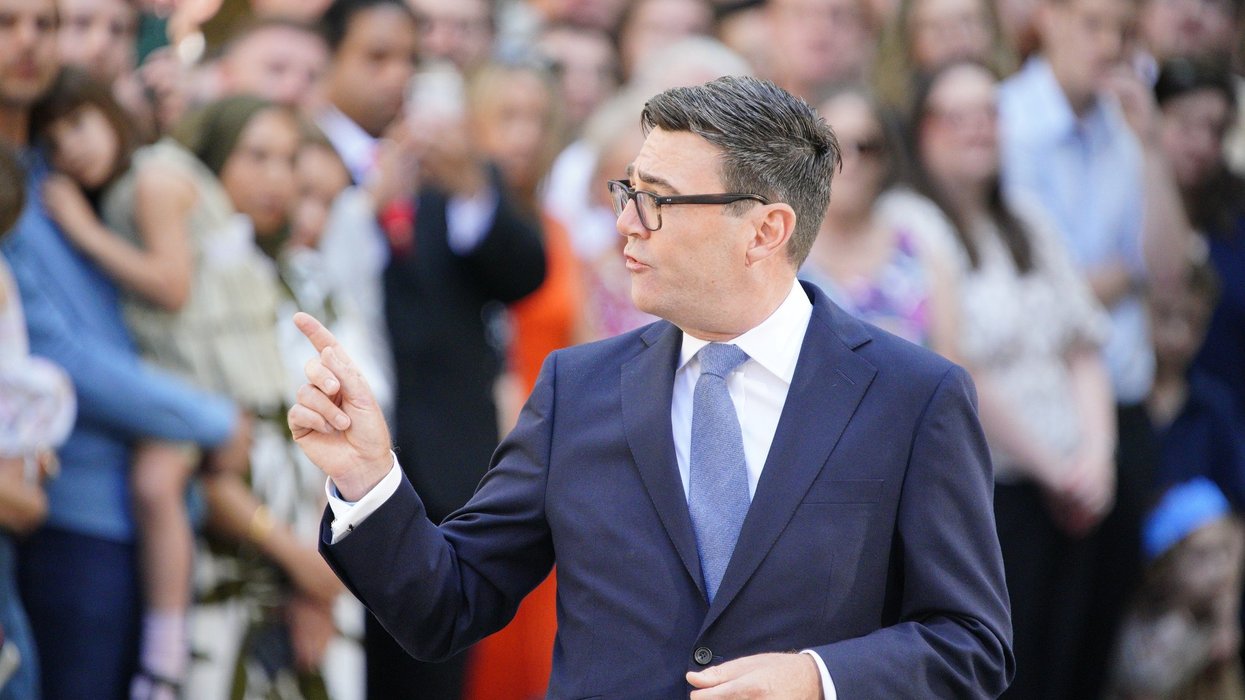
Speaking on the Goalhanger podcast with Gary Lineker last week, Mr Burnham suggested the condition of the public finances could require additional revenue.
He said the Government may have "to ask for a little more" from taxpayers because of the challenging fiscal position.
The freeze on income tax thresholds, first introduced in 2021 and extended by Rachel Reeves until 2031, continues to bring more workers into higher tax bands through fiscal drag.
People pay no income tax on earnings up to £12,570, while the basic rate of 20 per cent applies to income up to £50,270.
Earnings above that threshold are taxed at 40 per cent, while those earning more than £125,140 pay the additional rate of 45 per cent.
The number of higher-rate taxpayers has almost doubled since the 2020-21 tax year, reaching 7.7 million.
Over the same period, the number of additional-rate taxpayers has tripled from 433,000 to 1.29 million.
Wage growth among the highest earners has also increased the threshold for joining the top one per cent of taxpayers, with annual earnings of around £230,000 now required compared with £96,400 in 2000.
A Treasury spokesman said the UK's tax system remains "among the most progressive in the developed world."