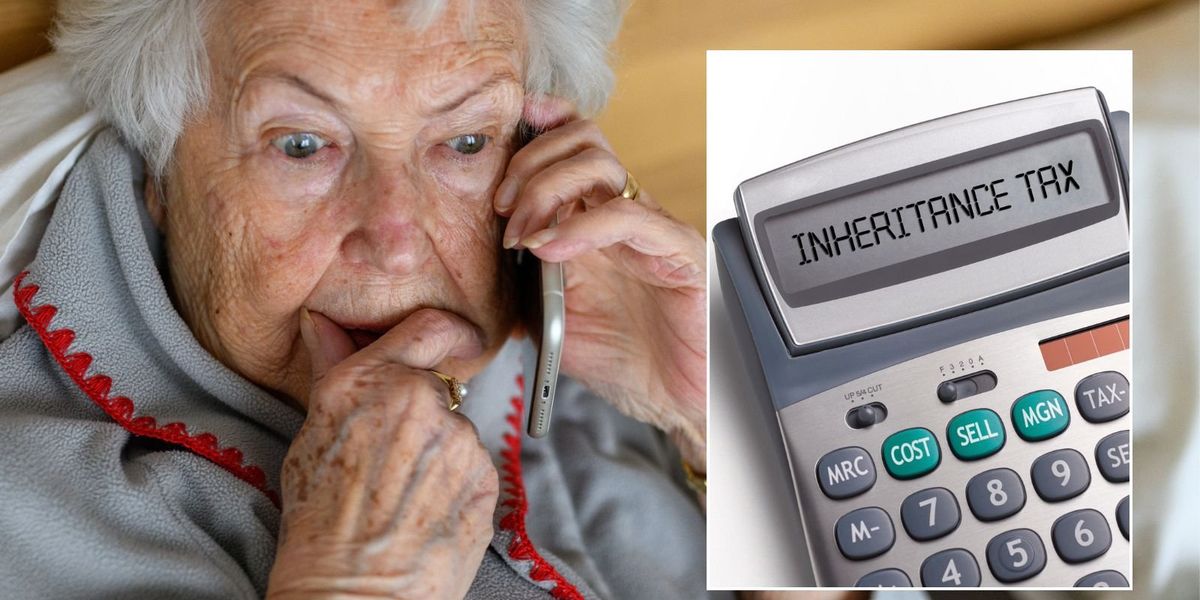
Nearly 5,000 inheritance tax investigations were opened during the 2025-26 tax year as HMRC increased scrutiny of estates
HM Revenue and Customs (HMRC) opened the highest number of inheritance tax investigations in six years during the 2025-26 tax year, with almost 5,000 estates coming under formal scrutiny.
A total of 4,940 formal inheritance tax investigations were launched during the year, according to figures obtained through a Freedom of Information request by accountancy firm Price Bailey.
The total marked an increase of around 770 investigations compared with the previous tax year and continued a four-year rise in the number of bereaved families facing HMRC inquiries.
Around 40 per cent of the families investigated had their inheritance tax bills revised following HMRC's checks.
The last time investigation levels were higher was during the 2019-20 tax year, when 5,658 formal inquiries were opened before the Covid-19 pandemic led HMRC to redeploy staff.
Nikita Cooper, tax director at Price Bailey, said: "HMRC is coming under increasing pressure to clamp down on non-compliance and boost the tax take, and inheritance tax is becoming a higher priority.
"Many formal inquiries do not lead to any additional tax, but they still impose a significant administrative and emotional burden on families who have already complied with the rules."
Tax experts said one of the most common reasons for an investigation is a mismatch between information submitted by executors and data already held by HMRC.
David Wright, of the Association of Taxation Technicians, said: "HMRC have their data system Connect, which is a big spiderweb pulling data from lots of different places."
Mr Wright said any discrepancy between information held by Connect and an inheritance tax return is likely to prompt further investigation.
Estates valued just below the £2million threshold can also attract additional scrutiny.
Above that level, the £175,000 residence nil-rate band, which applies when a home is passed to children or grandchildren, is reduced by £1 for every £2 the estate exceeds the threshold.
HMRC also reviews publicly available information, including social media activity, as part of its compliance work.
Fiona Fernie, a tax partner at Blick Rothenberg, said: "They will be looking to see if somebody who has reported relatively modest income is flying to Mauritius and the Maldives three times a year for their holiday."
Gifts made before death remain another key area of focus for HMRC.
Anti-avoidance rules mean assets given away while the donor continues to benefit from them can still form part of the estate for inheritance tax purposes.
Ms Cooper said: "Common mistakes include giving away your home but still living in it, or giving cash to a family member who then buys a property for you to use."
HMRC data showed that between 2021 and 2026, around 2,500 gifts worth a combined £840million were found to involve a reservation of benefit.
Those transfers, worth an average of around £339,000 each, remained subject to inheritance tax and resulted in an estimated combined liability of £336million.
The tax authority also reviews bank statements to identify undisclosed transfers and checks property records where there are concerns an estate may have been undervalued.
Inheritance tax receipts reached £8.5billion during the 2025-26 tax year, equivalent to around 0.3 per cent of GDP.
The tax take is forecast to increase to £13.5billion by 2029-30, almost doubling from £7.1billion in 2022-23.
Frozen tax-free thresholds and rising property values are expected to bring more families into the inheritance tax system over the coming years.
The Office for Budget Responsibility forecasts that more than nine per cent of deaths will result in an inheritance tax bill by 2030-31, compared with five per cent last year.
Planned changes that will bring pensions within the scope of inheritance tax are also expected to increase the number of liable estates.
The nil-rate band remains frozen at £325,000, with inheritance tax charged at 40 per cent on the value of an estate above that threshold.
An HMRC spokesman said: "The vast majority of people pay the correct inheritance tax. Where we identify a risk that a return may not be accurate, we carry out checks to ensure everyone pays the right tax."
The spokesman added that current investigation levels have returned to those seen before the pandemic.
Some tax professionals have questioned whether HMRC is directing its compliance resources effectively.
HMRC's tax gap data for 2024-25 estimated that £59.2billion in tax went uncollected, with inheritance tax accounting for £0.3billion of that total.
Ms Fernie said: "There is a question as to whether HMRC is focusing its attention in the right place."
A standard inheritance tax investigation typically lasts between six and 12 months, although more complex cases can continue for several years.