
Money
Personal finance, cost of living, markets and economic policy that affect your life, with practical reporting on bills, savings, wages, pensions and tax.

Sky agrees £1.6billion takeover of ITV entertainment to create Britain's largest commercial broadcaster
The proposed deal would combine Sky and ITV's entertainment businesses as they seek to compete with major US streaming platforms.
Latest Money
EconomyJohn Healey weighs up dropping mansion tax threshold in 'war on middle class'
EconomyBBC's finances laid bare as broadcaster's reserves plummet in effort to save £500million
EconomyWarren Buffett steps down as chairman of Berkshire Hathaway in major shake-up
EconomyBank of England confirms major policy shake-up amid borrowing cost fears
More Money

Retail sales on the rise in 'particularly strong' shock rebound for UK high streets

Millions of Britons to see £900 pay rise as minimum wage increase comes into force
Around 2.7 million young and older workers throughout the country will see their pay increase
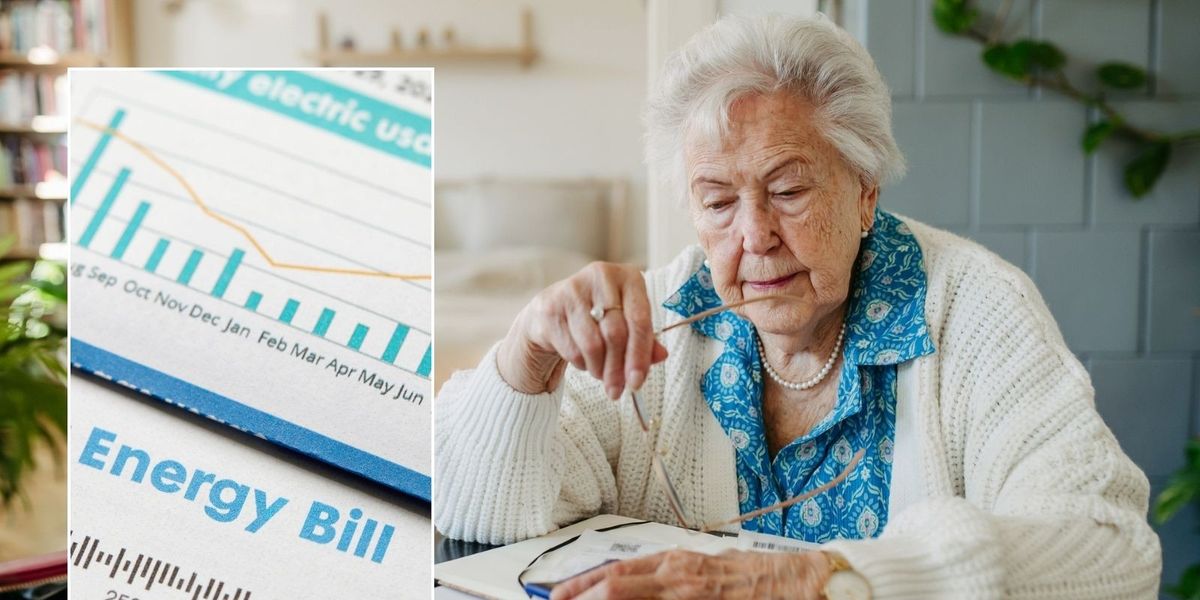
Pensioner households warned they have two weeks left to claim £150 energy bill discount
Data shows that around 128,000 people only received their payment after contacting the scheme's helpline

Britons can gift 'any amount' to family paying inheritance tax – but there are 3 rules to follow
With pensions now liable for inheritance tax from 2027, now is an opportune time to review gifting strategies
Archive

Nigel Farage debanking scandal: Ex-NatWest CEO speaks out as she insists she showed 'courage and honesty'
In June last year Nigel Farage revealed his Coutts account had been closed

An 'ideal way' to plug in pension shortfalls as cost of comfortable retirement hits £738k
Only 40 per cent of high earners are on track for a "comfortable retirement," figures show
Tax warning: Britons living alone hit with £10k 'cash penalty' for being single
Singletons in London face the highest regional burden of more than £21,000 per year

Deadline imminent for £200 free cash available to help millions with energy bills
The cash handout is covered by the Alternative Fuel Payment scheme

OVO launches £50m energy bill support for struggling customers amid Winter Fuel Payment cuts
Struggling customers could benefit temporary reductions in direct debit payments

State pension boost: Thousands set for £11,905 cash payment before end of 2024
The Department of Work and Pensions (DWP) is working to rectify its administrational errors