Thank you for subscribing!
Interest rates could rise again as energy price surge puts Bank of England on alert
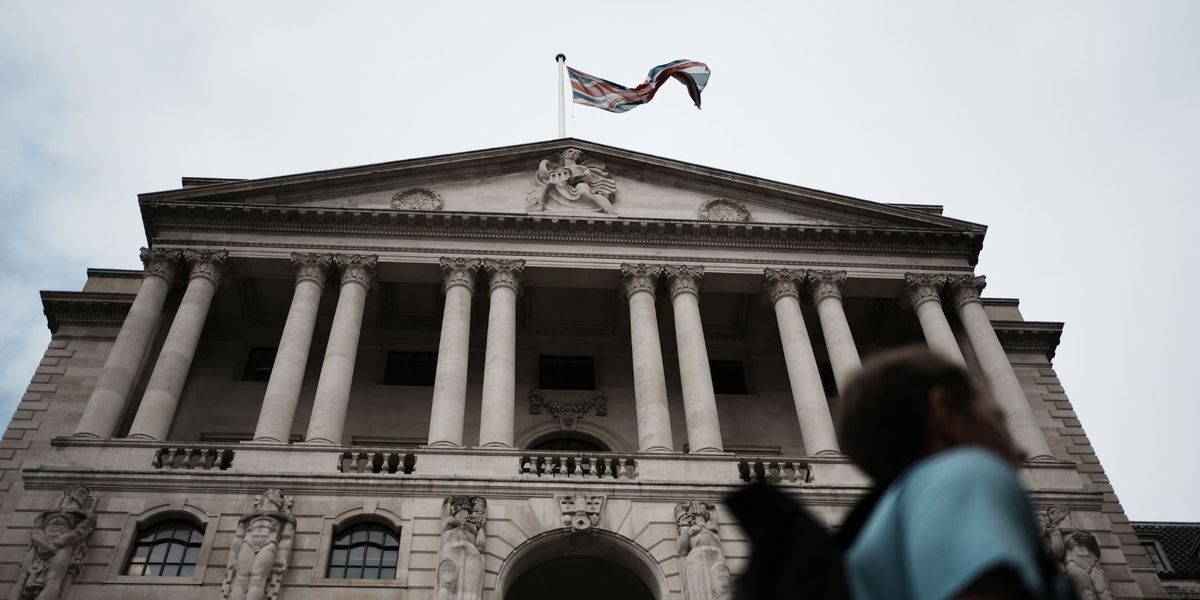
The Bank of England's rate-setters are almost certain to leave borrowing costs on hold when they meet on Thursday.
But a growing hawkish rebellion within the Monetary Policy Committee is raising the prospect that the next move could be upwards.
The nine-member panel is widely forecast to keep the base rate at 3.75 per cent, marking the sixth consecutive decision without a change since December.
At its previous meeting, three members — Huw Pill, Megan Greene and Catherine Mann — broke ranks and voted to raise rates to 4 per cent.
Economists anticipate Mr Pill, Ms Greene and Ms Mann will again push for an immediate increase this week, maintaining pressure on their more cautious colleagues.
Inflation is already climbing. The Consumer Prices Index reached 2.9 per cent in July, up from 2.6 per cent the previous month and its highest reading since March.
There was some comfort in the services sector, where inflation actually eased from 3.6 per cent to 3.4 per cent.
That decline suggested limited evidence of so-called second round effects, where rising costs feed through into higher wage demands and broader price increases.
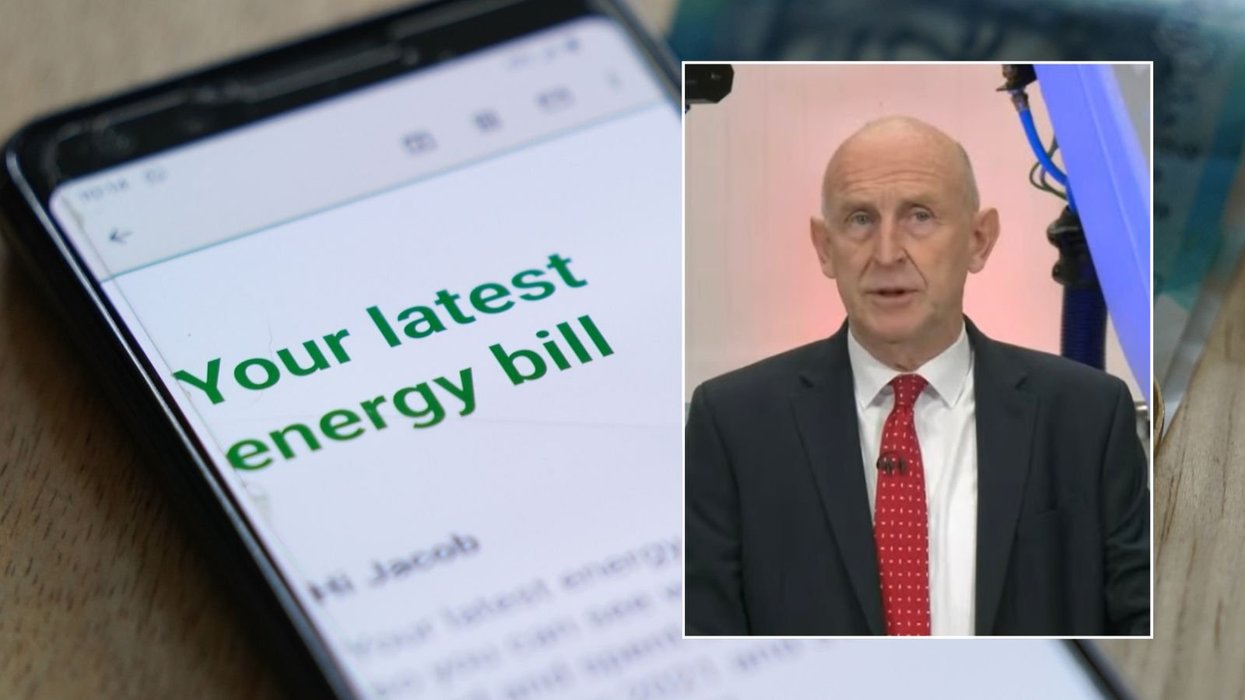
However, the outlook is less reassuring. Ofgem's next energy price cap takes effect in October, pushing typical dual-fuel household bills up by 4 per cent.
That increase, driven by surging global energy costs linked to the Middle East conflict, is expected to send headline inflation higher still in the coming months.
Matt Swannell, chief economic adviser to the Item Club, said the decision appears to be "a near certainty" but warned that internal divisions will persist.
"We expect divisions among rate-setters to remain, with July's three hawks Huw Pill, Catherine Mann and Megan Greene again favouring an immediate rate increase," Mr Swannell said.
With the outcome largely regarded as settled, he suggested the real focus will be on what the committee signals about its future intentions.
In particular, markets will be watching for any sign that the more dovish majority has shifted towards accepting the possibility of rate rises ahead.
Fresh economic data may add to the hawks' case. Official figures published recently showed the UK economy grew by an unexpected 0.4 per cent in July, buoyed by strength in parts of the services industry.
Looking further ahead, economists at Pantheon Economics said there is a chance the MPC "toughens its language" at Thursday's meeting "to open up the possibility of a November hike if energy prices keep ramping up".]
"A 4 per cent inflation peak would already be too hot to hold, but further energy price rises could take inflation even higher," they warned. "The MPC needs to be ready."
Thomas Pugh, chief economist for RSM UK, said "the energy shock is becoming harder to look through" and predicted inflation could peak at close to 4 per cent in 2027.
Mr Pugh added that the MPC "would need to respond" if rising costs begin feeding into wages and the prices firms charge.
The European Central Bank raised its own rates for the second time this year earlier this week, citing inflationary pressure from the Iran war.