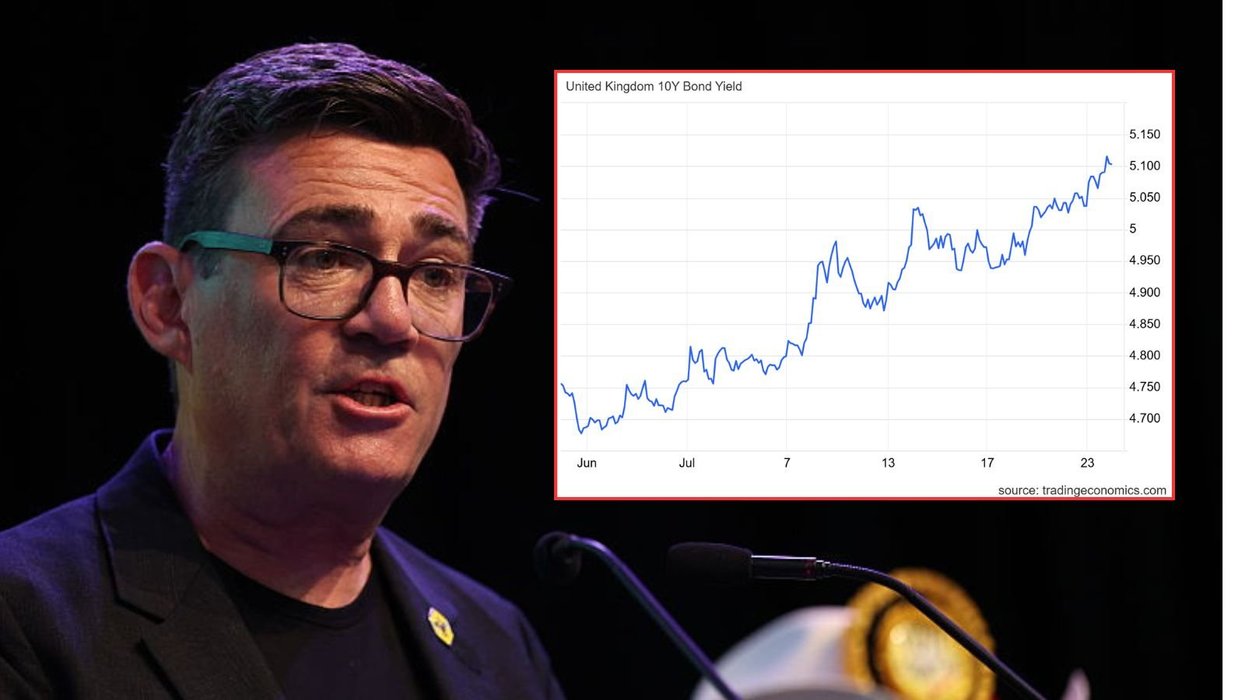
Britain's biggest lenders are raising borrowing costs as hopes of an interest rate cut fade
Around five million UK homeowners are expected to face increased mortgage costs by the end of 2028, according to the Bank of England’s Financial Policy Committee.
Many have been protected by fixed deals, but much higher repayments may be waiting when those agreements end.
The forecast has risen sharply since December, when the Bank estimated that roughly four million households would be affected.
It means an additional one million homeowners could now see their borrowing costs climb.
Some borrowers may have to find hundreds of pounds more each month when they remortgage, as escalating tensions in the Middle East continue to unsettle financial markets.
Attacks on oil tankers in the Red Sea have increased fears over global energy supplies. This has worsened the outlook for inflation and reduced hopes that interest rates will fall soon.
The average two-year fixed mortgage rate currently stands at 5.59 per cent, while the typical five-year deal is 5.61 per cent, according to Moneyfacts.
Both remain below the 5.9 per cent peak recorded during the escalation of the Iran war in April.
A homeowner borrowing £250,000 over 25 years at the current average two-year rate would pay around £1,549 a month.
At the 4.85 per cent average recorded by Moneyfacts in February 2022, the same mortgage would have cost approximately £1,440.
That leaves the borrower paying more than £100 extra each month, adding over £1,300 to their annual mortgage bill.
Further relief now appears less likely after oil reached $100 a barrel on Thursday for the first time since May.
The rise has fuelled inflation concerns and weakened expectations of a cut to the Bank of England’s base rate, which has remained at 3.75 per cent since last December.
Several of Britain’s largest mortgage lenders increased their rates earlier this week, adding to the pressure facing homebuyers and borrowers approaching the end of fixed deals.
NatWest, HSBC, Barclays and Lloyds all raised borrowing costs, while Santander increased some homebuyer rates by as much as 0.3 percentage points and also made its remortgage deals more expensive.
More than 100 mortgage products have also disappeared from the market over the past seven days as lenders review their pricing.
This could leave borrowers with fewer deals to choose from as well as higher monthly repayments.
Rachel Springall, finance expert at Moneyfacts, said: "The prolonged tensions in the Middle East have hit the swap rate market, in turn driving up mortgage costs, as lenders monitor swap rates to help them price fixed-rate deals."
She added: "The positive progress over recent weeks now feels all but lost, but what the market needs is a period of stability."
Sarah Tucker, a mortgage expert from Homeowners Alliance, urged borrowers not to delay action.
She said: "In light of the fact that even more people are going to be affected by rate increases on their remortgage, it is more important than ever that people are organised and seek advice as early as possible, and certainly up to six months before their current deal ends."
Ms Tucker highlighted the value of so-called "price match" services, whereby advisers lock in a rate up to six months ahead of completion and continue monitoring the market for better options.
Should rates fall in the interim, the deal can be switched at any point before completion.
Her core message was clear: rather than attempting to time the market independently, homeowners should secure a rate early and let their adviser manage the risk.