Thank you for subscribing!
Rents are expected to more than double over the next 20 years
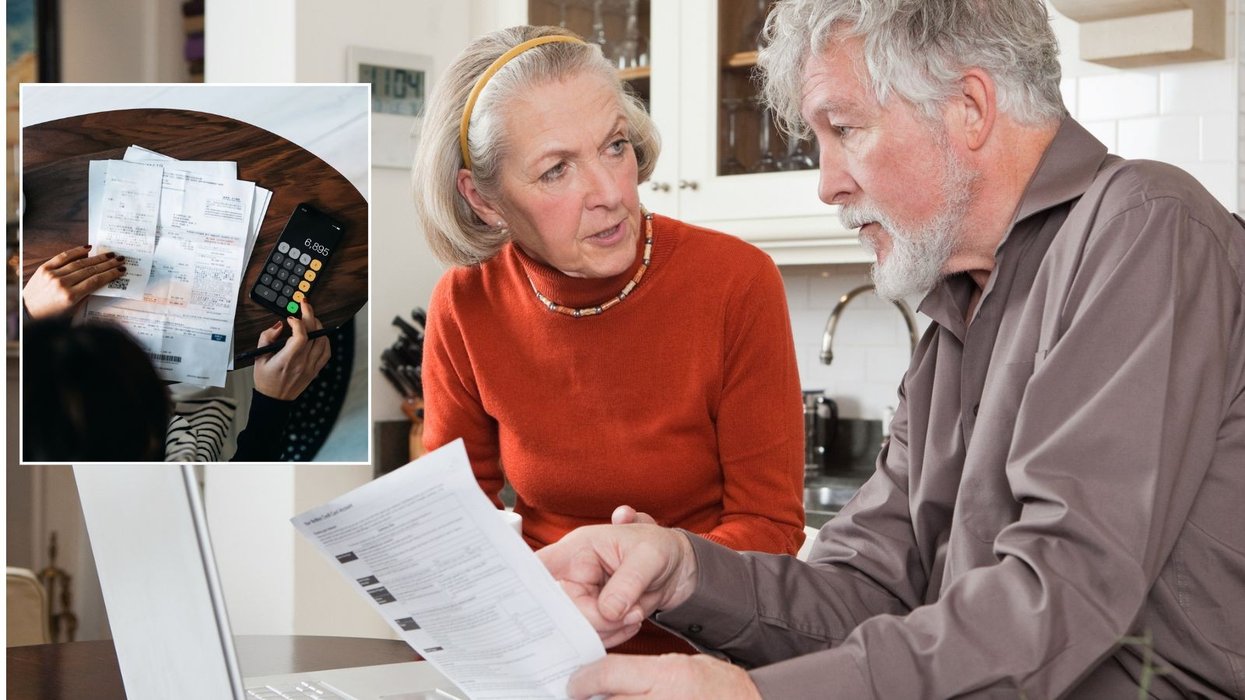
A growing number of future retirees face a financial challenge that few are prepared for.
The cost of renting a home throughout retirement could reach a staggering £419,000, according to new analysis published today by Standard Life.
For those without a property of their own, the implications are stark. The Pensions UK Retirement Living Standards put the minimum annual income a single retiree needs at £13,900, but that figure assumes housing costs are already taken care of.
Adding average rental costs of around £13,910 a year effectively doubles the income required to achieve even a basic standard of living.
Where a retiree lives makes an enormous difference to the bill they face. In London, total rental costs over a 20-year retirement could exceed £800,000, with annual housing expenses starting at £28,520. The South East is not far behind at £531,000, while the East of England comes in at around £480,000.
At the other end of the scale, retirees in the North East face the lowest projected costs at £291,000. Wales comes in at £313,000, and Yorkshire and the Humber at £321,000.
Even in the most affordable parts of the country, however, the sums involved remain substantial. Scotland's projected total of £382,000 illustrates that no region offers a cheap option.
The gap between regions underscores how retirement planning is increasingly shaped by geography. Where someone chooses to live in later life could prove just as consequential as how much they have saved.
The pension system as it stands was designed around the expectation that most people would own their homes by the time they stopped working. That assumption still holds for the current generation of retirees, with Retirement Voice 2025 finding that 82 per cent own their property outright.
But the picture is shifting rapidly. The Pensions Commission has noted that private renting has more than doubled over the past 20 years.
Research from the Association of British Insurers suggests that by 2044, one in three pensioner households could be renting.
Pete Cowell, Head of Annuities at Standard Life, said: "Housing costs don't stop at retirement, and renters face a very different reality to that of homeowners.
For a growing number of people, housing costs could be the single biggest expense they face in later life, adding many thousands of pounds a year to the income needed to maintain a minimum standard of living."
Mr Cowell added that planning for housing costs in later life is "likely to become one of the most important financial decisions people make", whether through savings, guaranteed retirement income products, or a combination of both.
Catherine Foot, Director of the Standard Life Centre for the Future of Retirement, warned that the trend lays bare a deep structural problem.
"That exposes a fundamental flaw in our current pension system, which is built on the assumption that housing costs fall in later life," she said.
"With a quarter of 60-65-year-olds already living in poverty, a rise in renting risks pushing even more retirees into financial difficulty."
Ms Foot urged the Second Pensions Commission to take account of these realities as it considers the long-term future of the system.
"Its recommendations will shape the system for decades to come, it's vital that it results in tangible measures that build people's financial resilience and support better long-term outcomes."