



The state pension age is widely expected to rise to 70 years old in one European country, with analysts warning similar reforms could be introduced in the UK.
A Government-appointed commission in Germany is poised to deliver sweeping pension reform recommendations to Chancellor Friedrich Merz tomorrow, including a proposal to increase the state retirement age to 70.
The commission's blueprint calls for incremental rises to the pension age once every ten years, stretching through to 2092. These future adjustments would be linked directly to changes in life expectancy.
Germany's official retirement age is already scheduled to climb from 65 to 67 by the end of this decade.

The state pension age is set to rise to 70 years old
|GETTY
Beyond the headline retirement age increase, the proposals also recommend establishing a national pension fund and scrapping existing incentives that currently encourage workers to leave employment at 63.
The recommendations are expected to spark intense political debate across Germany. Similar discussions are likely to reverberate through Westminster, where the UK is conducting its own review of future state pension age increases.
British workers are currently experiencing a phased transition, with the retirement age moving from 66 to 67 between April 2026 and April 2028.
Two separate reports examining a potential increase to 68 are currently being prepared by the Government's in-house actuary and an independent expert.
 Are you affected by state pension age changes? | GB NEWS
LATEST DEVELOPMENTS
 How the state pension triple lock has changed over the years | GB NEWS/FIDELITY INTERNATIONAL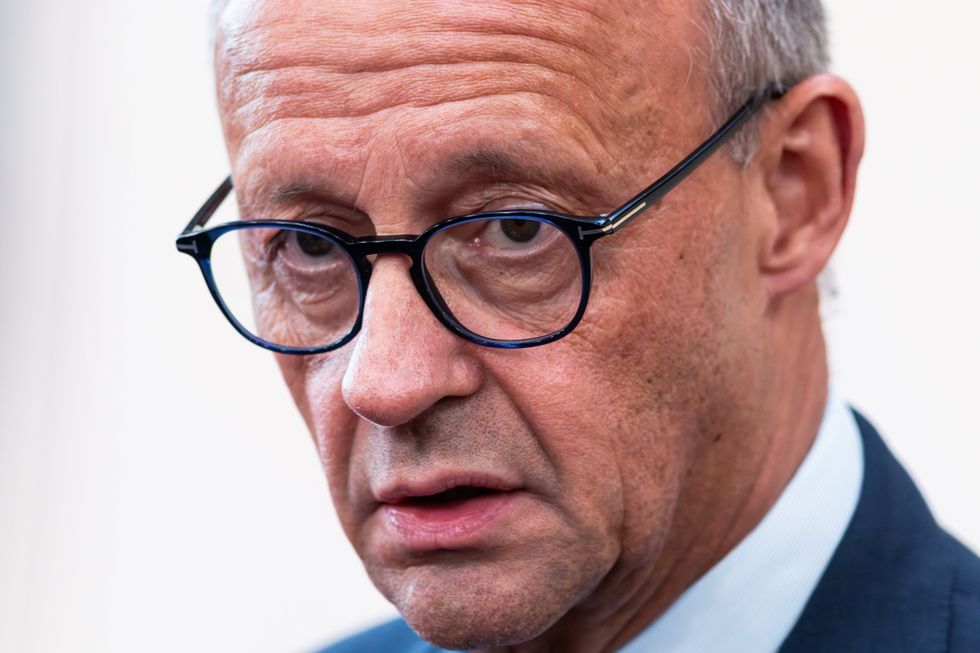
Chancellor Friedrich Merz has backed the reforms
| GETTYPension specialists have cautioned that maintaining the triple lock guarantee could necessitate pushing the retirement age as high as 74 by 2069.
Critics note that while the triple lock disproportionately benefits wealthier pensioners with longer lifespans, raising the retirement age would hit lower-income retirees hardest due to their reduced life expectancy.
Dr Hans-Jörg Naumer, director of global capital markets and thematic research at AllianzGI, argues that connecting retirement age to longevity makes sense given the country's shifting demographics.
He shared: "Germany has long been in the midst of a demographic turning point. While life expectancy for new retirees now stands at over 85 years and continues to rise, in this decade alone, approximately 400,000 more people are leaving the labour market each year than are entering it.
"It is therefore an appropriate approach to link the retirement age to life expectancy." The demographic pressure facing Europe's largest economy is stark, with the workforce shrinking substantially each year as the population ages and fewer young people enter employment."