Thank you for subscribing!
The state pension triple lock and freeze to HMRC thresholds will see Britons pay tax on their retirement benefit alone for the first time ever
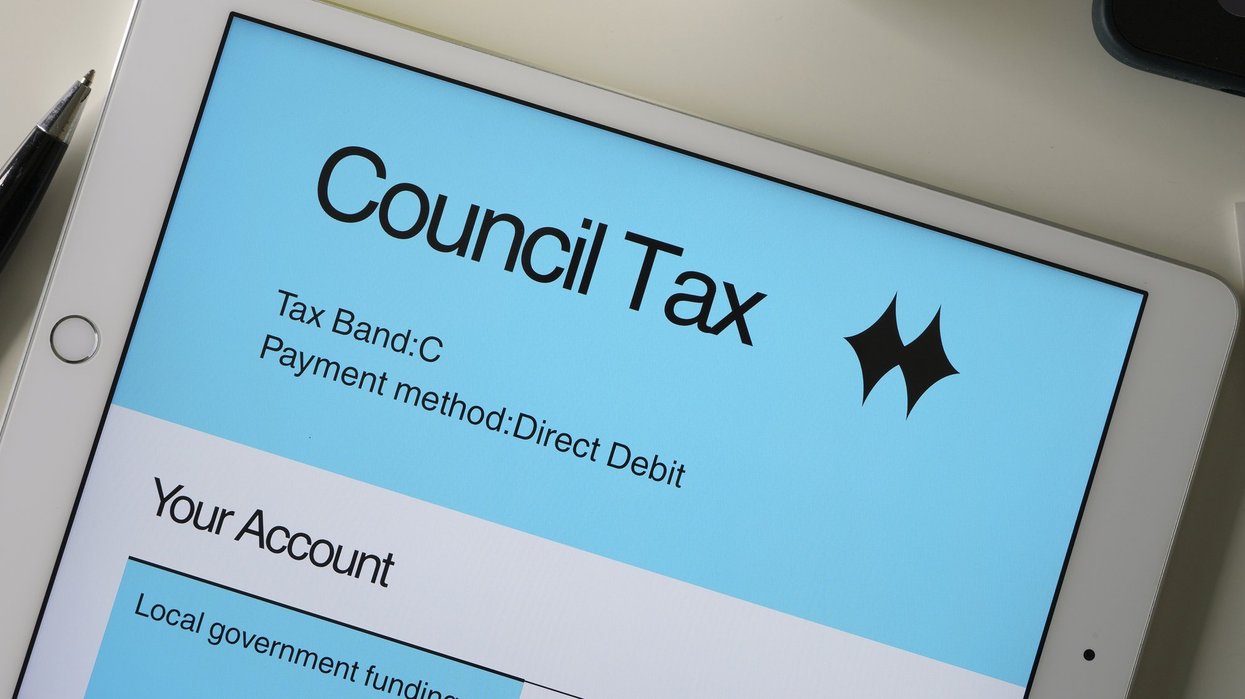
Retirees who depend entirely on the full new state pension could find themselves liable for income tax for the first time next April, as the payment is projected to surpass £13,000 a year.
That figure would exceed the £12,570 personal allowance, the threshold below which no income tax is owed, meaning retirees with no other income source could still face a tax bill.
The Labour Government has so far indicated that those receiving only the state pension will be shielded from this liability.
However, no details have been given regarding how HM Revenue and Customs (HMRC) will protect vulnerable retirees from this levy.
The annual increase is governed by the triple lock, a mechanism that raises state pension payments each year by whichever is greatest among CPI inflation, average earnings growth, or 2.5 per cent.
HMRC's personal allowance and other tax bands have been held at the same level for several years, with the freeze now expected to remain in place until April 2031.
Analysts note the combination of rising state pension payments and static tax thresholds is producing a textbook case of fiscal drag.
This is the process through which individuals are drawn into higher tax brackets not because rates have changed, but because their income has crept above fixed limits.
Arj Kumar, the co-founder and co-CEO of Taxd, said: "There is something pretty extraordinary about giving somebody an increase in their state pension and potentially turning them into an income taxpayer at the same time.
"If the personal allowance stays at £12,570 while the state pension rises above £13,000, somebody relying on that pension could find themselves with an income tax liability without the Government changing the basic rate at all.
"The Government needs to be very clear with people well before April about what any change means for them, particularly when we are talking about pensioners who may never previously have needed to deal directly with the tax system."
Mr Kumar extended his analysis beyond pensions to the broader economic climate, noting that the Chancellor has spent recent days championing growth while businesses are already pulling back on recruitment.
The tax expert argued that escalating labour costs and persistent speculation about further tax changes ahead of the next Budget are prompting smaller firms to delay hiring decisions.
He added: "That hesitation has consequences for the wider economy because a vacancy that never gets created means somebody does not get that job, the business has less capacity to grow, and the Treasury misses out on the tax that employment and additional economic activity would have generated."
"If smaller employers are telling the ONS that costs are already changing their hiring decisions, that should be taken seriously when the Chancellor decides what businesses can absorb next."