Thank you for subscribing!
The triple lock has come under scrutiny in recent months, with concerns raised that it is too expensive
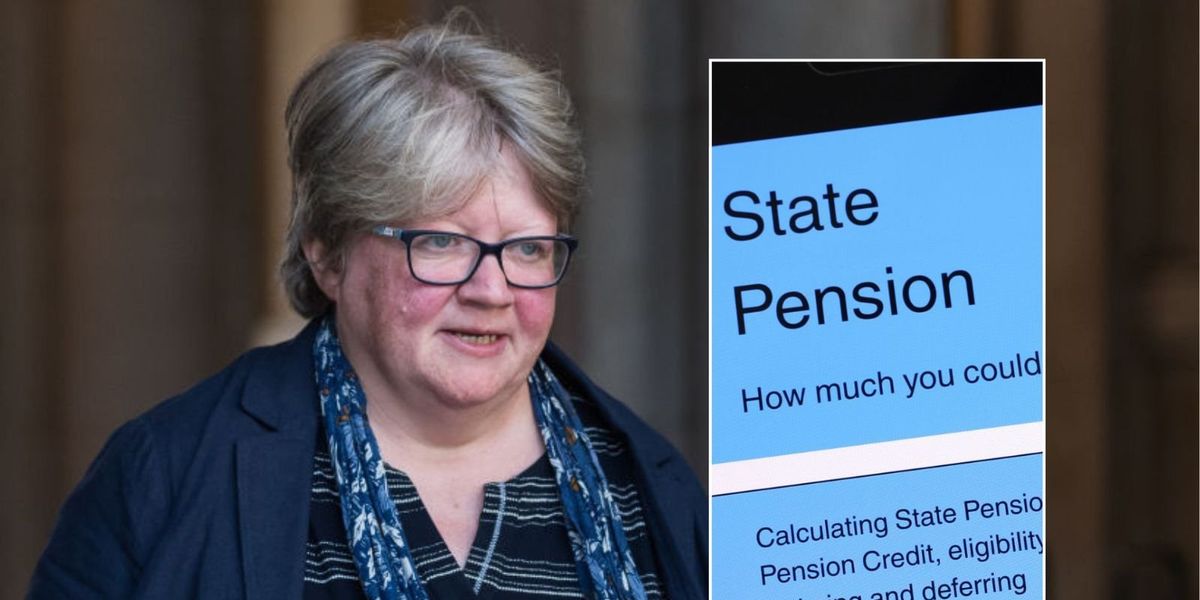
Millions of pensioners could see changes to how their state pension rises each year, after a former work and pensions secretary has suggested the triple lock should be scrapped.
The guarantee, which has protected retirement incomes since 2010, may have outlived its usefulness, according to Baroness Therese Coffey.
Lady Coffey made the comments during a House of Lords debate on Friday about how prepared the UK is for an ageing population.
The former work and pensions secretary, who held the role from 2019 to 2022 before becoming deputy prime minister, said she would prefer "some kind of double lock."
She suggested the guaranteed minimum increase of 2.5 per cent had largely achieved its original purpose of helping the state pension rise faster compared with average earnings.
Pressure to reform the triple lock has grown in recent months because of concerns about its cost. During Friday's debate, peers from across the political divide called for changes.
Lord Jim O'Neill, an ally of Andy Burnham, said financial markets would "respond favourably" if the Government took credible steps to reduce the cost of the triple lock or wider welfare spending.
Former NatWest chairman Sir Howard Davies warned the country "can't afford it" and that the Government's credibility will be "on the rack" if nothing changes.
Conservative peer Lord Tugendhat said the mechanism should be replaced "without further ado."
Lord Turnbull, the former head of the civil service, went further, calling the arrangement "frankly idiotic" and pointing to OBR estimates suggesting it could add an extra two per cent of GDP in costs.
Labour former home secretary Lord Reid of Cardowan urged the committee report to "more forthrightly consider and challenge the triple lock."
Not everyone in the chamber agreed, however. Conservative former Welsh secretary Lord Redwood insisted that abandoning the triple lock would be a "great pity," arguing it had played an important role in reducing pensioner poverty.
Labour peer Lord Liddle, who introduced the committee report, acknowledged feeling "a little guilty" that it "didn't directly address the triple lock question," adding that it is "obvious" the issue needs proper examination.
Lord Liddle also delivered a stark assessment of the country's broader preparedness for demographic change.
"The lack of any published strategy on ageing is a worrying indication that the Government would prefer not to face up to these challenges as an immediate question, and that the UK is therefore woefully unprepared for the future," he said.
Despite the weight of criticism, the Government made clear it has no plans to alter the policy before the next general election.
Treasury minister Lord Pitt-Watson told peers that the triple lock formed part of Labour's manifesto commitments and would be honoured accordingly.
"Till the end of this Parliament, the triple lock remains," he said.
The triple lock, first introduced by the Conservative-Liberal Democrat coalition in 2010, ensures the state pension increases annually by whichever is highest out of inflation, average wage growth or 2.5 per cent.
While that guarantee remains in place for now, Friday's debate signalled growing cross-party appetite for reform, raising questions about what pensioners might expect once the current parliamentary term draws to a close.