Thank you for subscribing!
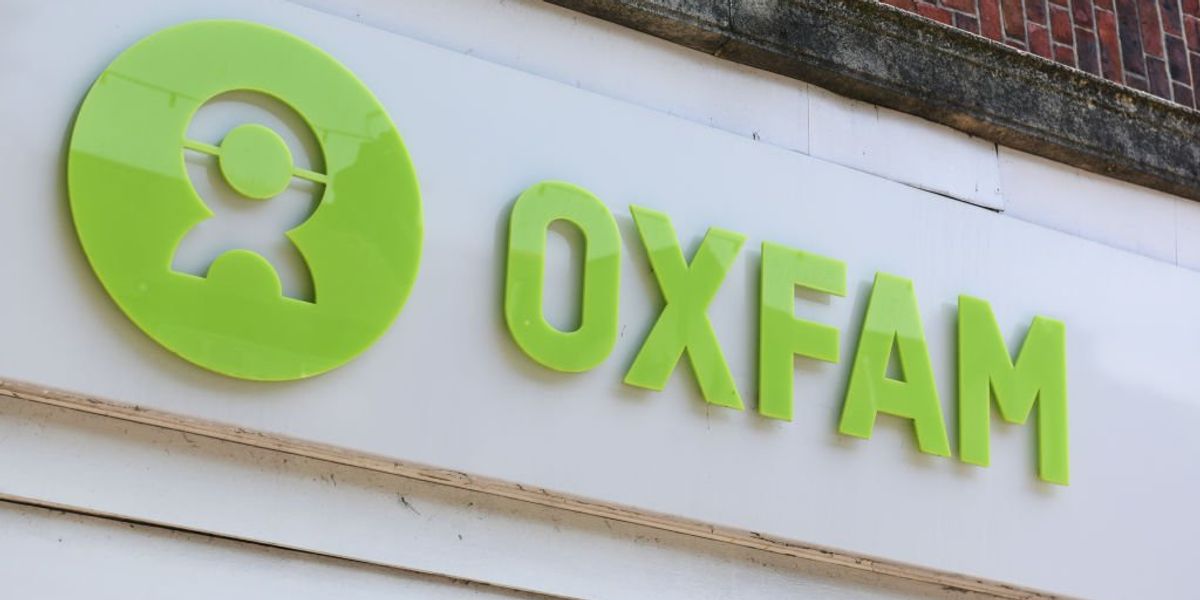
Oxfam has warned up to 100 of its stores could be forced to close amid a 'difficult economic climate'.
A major high street chain with more than 500 shops across the UK has warned it could close all its stores for good.
Oxfam has acknowledged it "cannot give guarantees" about the long-term future of its high street charity shops amid what it described as "this difficult economic climate".
The organisation is reportedly examining the viability of three warehouse facilities, which collectively provide employment for roughly 90 staff. These sites support both Oxfam's humanitarian operations and its textile and retail activities.
While the charity has officially stated it currently has no plans to shut any warehouses or shops, insiders have expressed fears that all three distribution centres could face closure as part of a broader cost-reduction effort.
A source has claimed the charity could be weighing up the closure of as many as 100 of its approximately 500 shops across the UK, despite Oxfam's official position that its high street presence is not under threat.
According to the Guardian, an insider said "donations have dropped off," attributing the decline in part to the growing popularity of online resale platforms such as Vinted, where individuals sell their own unwanted items directly to buyers.
Analysts note the shift towards peer-to-peer selling appears to be reshaping the second-hand market, drawing potential donors and customers away from traditional charity shop models.
There are particular concerns surrounding the Batley warehouse in West Yorkshire, where an insider has suggested the charity could opt to close the facility once its lease comes up for renewal as part of efforts to reduce expenditure.
Meanwhile, Oxfam has launched a dedicated e-commerce platform called Oxfam Shop, offering clothing, books, gifts and other items to online buyers.
An insider noted: "Oxfam is always more expensive, and that's starting to have an effect."
They suggested the charity's pricing is increasingly putting it at a disadvantage against cheaper alternatives.
Lorna Fallon, Oxfam GB's chief supporter officer, acknowledged that the charity's retail arm generates significant revenue but stopped short of guaranteeing its continuation in its current form.
Ms Fallon said: "In [the last financial year], Oxfam GB's shops, warehouses and online retail teams generated a £6.3million (net) contribution to our humanitarian work, as well as raising dedicated funds through emergency appeals to support crises in Venezuela, the Middle East and Ukraine."
Earlier this summer, the British Heart Foundation unveiled plans to close 87 charity shops in an effort to balance the books.
Dr Charmaine Griffiths, the charity's chief executive, acknowledged the emotional impact of the closures, stating: "Our shops mean so much to our colleagues, brilliant volunteers and communities across the UK."
She emphasised the difficult trading conditions facing the sector, adding: "Like most retailers, we are facing an exceptionally challenging trading environment."