Thank you for subscribing!
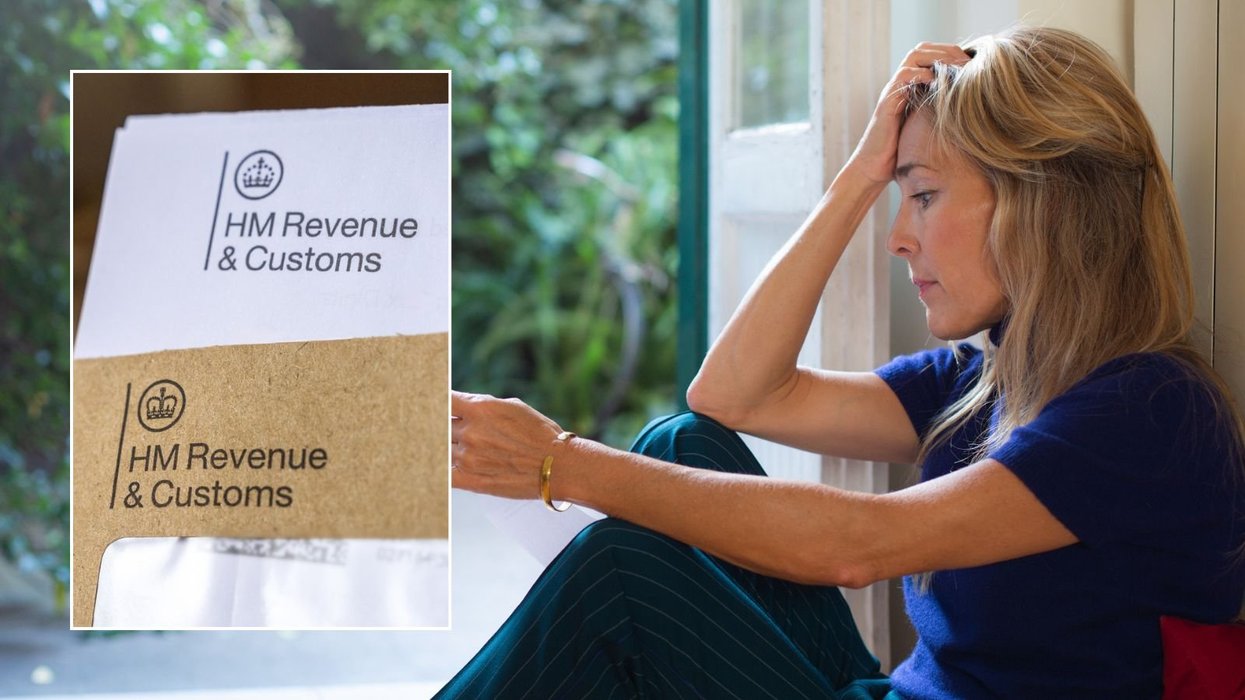
Millions are at risk of falling into HMRC's £100,000 tax trap - are you?
More than two million workers earning between £100,000 and £125,140 face an effective tax rate of 62 per cent, and the problem is set to worsen regardless of what Chancellor John Healey announces in his Autumn Budget on October 28.
The punishing rate stems from existing HM Revenue and Customs (HMRC) rules rather than any new measures, as the gradual withdrawal of the personal allowance within that earnings band has remained unchanged since its introduction over 16 years ago.
So far, Mr Healey is keeping his cards close to his chest ahead of the Labour Government's fiscal statement under Prime Minister Andy Burnham.
Analysts warn that Britons are already at risk of paying a significant amount of their hard-earned income to the tax man even before any policy changes in this year's Budget.
The mechanism behind this rate means that for every £2 earned above £100,000, a worker's tax-free personal allowance is reduced by £1, until it disappears entirely at £125,140.
As a result, those earning above this amount effective marginal rate of 62 per cent across that narrow band of income.
Sarah Coles, head of personal finance at AJ Bell, said: "At the Budget, we don't just need to focus on what John Healey announces to weigh up the tax hit coming our way; we also need to consider what he's not saying."
She cautioned that certain changes are already baked in, meaning that silence from the Treasury could be just as consequential as headline announcements.
Although the 62 per cent cliff-edge has never been formally frozen, the £100,000 threshold at which the personal allowance begins to taper has not budged since April 2010.
Successive pay rises across the economy have steadily dragged more earners into this punishing band.
Ms Coles added: "This cliff-edge hasn't officially been frozen, but it hasn't moved since it was introduced in April 2010, so pay rises keep pushing more people over it."
According to reports cited by AJ Bell, the number of people caught by the taper has swelled by more than 1.5 million since it was first established, with upwards of two million expected to fall within the band in the current tax year.
The threshold has not featured in any Budget since its creation, and there is little expectation it will surface on October 28.
Notably, the tax trap is compounded for parents by a separate £100,000 threshold governing eligibility for tax-free childcare, which was set when the scheme launched in 2017 and has similarly remained static.
State-funded childcare provision for three and four-year-olds, introduced in September 2017, carries the same £100,000 cut-off , again untouched since inception.
She said: "The only positive is that knowing we're highly likely to pay more of these taxes gives us an opportunity to plan ahead effectively, so we don't pay more than we have to."