Thank you for subscribing!
Fiscal drag occurs when tax thresholds are kept at the same level over a period of time when inflation or wages are rising; resulting in workers being pulled into higher brackets
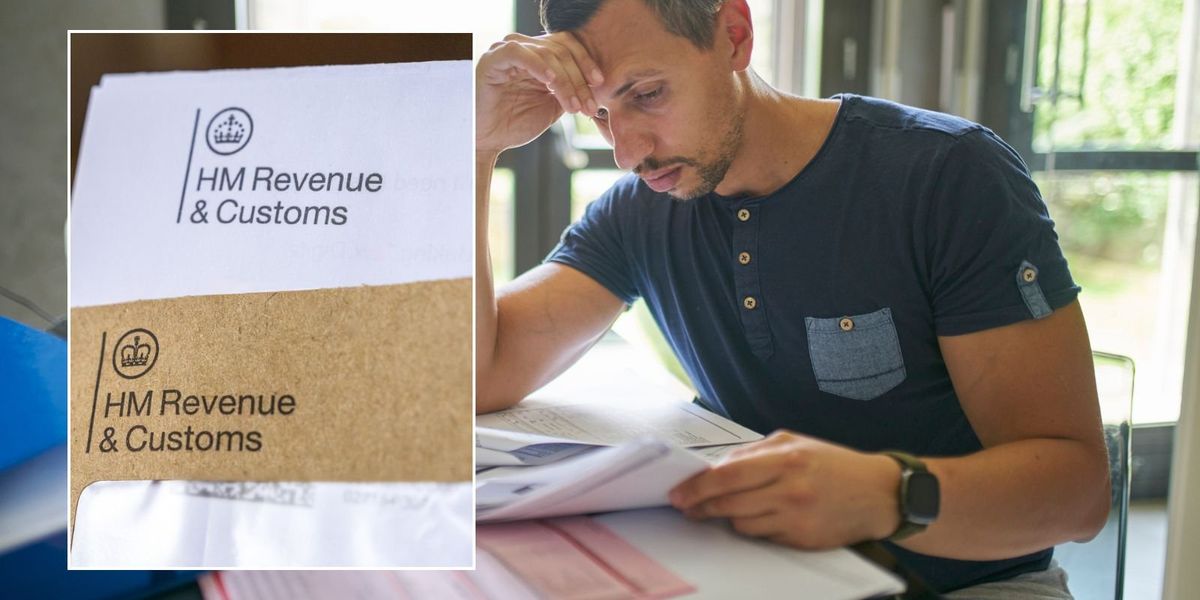
Thousands of Britons are refusing pay rises to avoid being pulled into paying higher taxes, damning new polling has revealed.
Fresh research from Standard Life has found that 16 per cent of workers have either thought twice about or outright declined a pay rise, bonus or promotion over concerns they could end up financially worse off.
Among that group, five per cent went as far as rejecting the opportunity entirely. The findings come half a decade after income tax thresholds were frozen, a policy that has steadily dragged more earners into higher tax bands as wages have climbed.
More than a fifth of respondents said the prospect of moving into a higher income tax bracket could lead them to refuse additional pay.
A further seven per cent pointed to the risk of losing financial support or allowances, while five per cent identified the potential loss of childcare assistance as a deterrent.
Gen Z workers are by far the most likely to have paused or turned down a pay increase, with 28 per cent reporting they had done so.
That figure drops to 19 per cent among millennials and falls further to just 10 per cent for Gen X employees. Baby boomers, by contrast, appear largely unaffected, with a mere three per cent saying they had hesitated over or refused higher pay.
Parents with children under 18 feel the pressure even more keenly, with 22 per cent saying they had hesitated over or refused a pay increase, compared with 14 per cent of those without dependent children.
The fear of losing childcare support is a particular concern, cited by nearly one in ten parents versus just four per cent of non-parents.
According to Standard Life's analysis, had the personal allowance risen with inflation, it would sit at £16,072 in 2026/27; some £3,502 above its current level.
The higher-rate threshold, meanwhile, would be £64,274 rather than £50,270. In practical terms, the freeze adds £700.36 a year to the tax bill of a basic-rate taxpayer using the full allowance.
For earners above the inflation-adjusted higher-rate threshold, the combined cost reaches £3,501.22 annually. Despite the potential for pension contributions to soften the blow of crossing key income thresholds, awareness remains remarkably low.
Fewer than half of those surveyed, just 48 per cent, correctly understood that boosting pension payments can help reduce the income tax burden for some earners.
Over a third said they simply did not know, while 15 per cent wrongly believed it to be untrue. More than half of respondents, at 56 per cent, said they would think about raising their pension contributions if doing so helped them keep more of a pay rise or bonus.
Neil Jones, tax and estate planning specialist at Standard Life, said: "A pay rise, promotion or bonus should be something to celebrate, so it's concerning that some people are thinking twice because they're worried they could end up worse off.
"It's understandable that people want to protect valuable allowances and manage how much tax they pay, but turning down additional income without fully understanding your options could mean missing out unnecessarily."